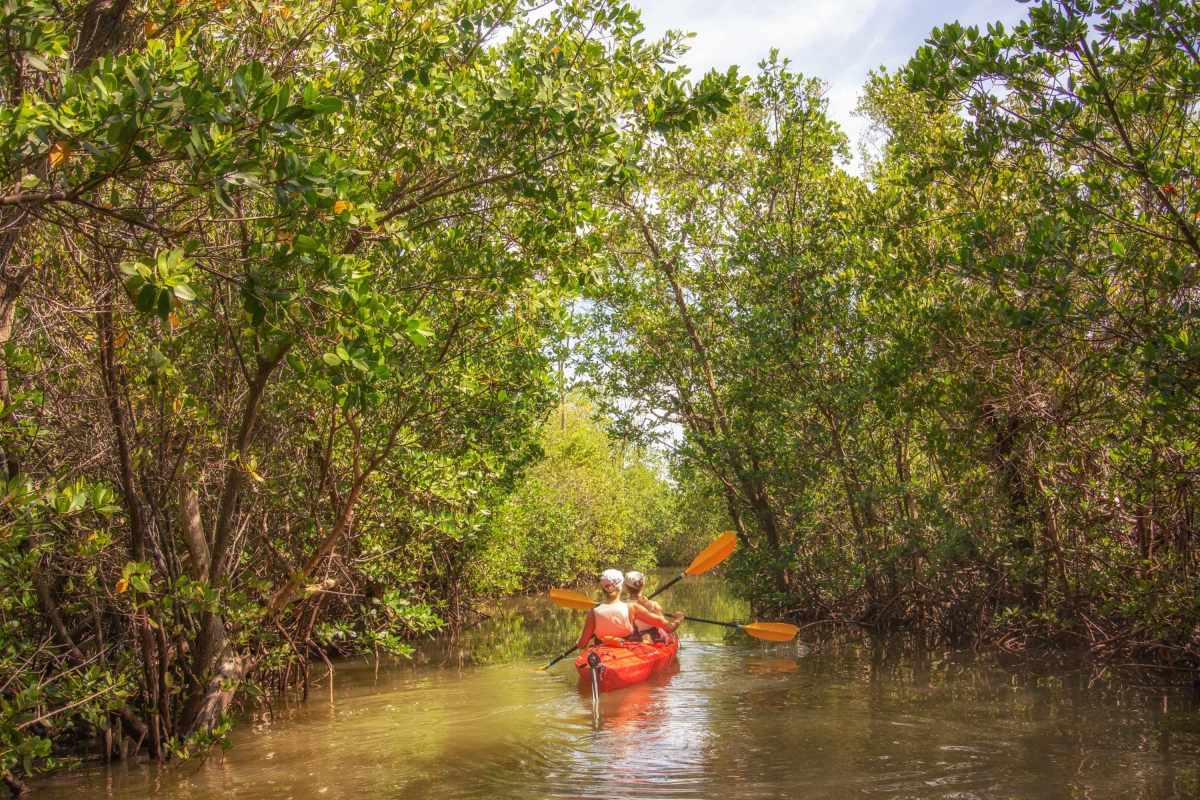
Traveling the 113-mile Overseas Highway is a rite of passage for any adventurer. As you cross the 42 bridges that connect these islands, you are surrounded by the Florida Keys National Marine Sanctuary, an area protecting more than 1,800 miles of shoreline. While the turquoise open water often steals the spotlight, the true magic lies within the narrow, winding Florida Keys mangrove kayaking trails. These primary mangrove tunnels offer a quiet, shaded escape where the unique Florida Keys paddling guide experience truly comes to life, allowing you to drift through some of the most diverse ecosystems on the planet.
Quick Facts
- Top Spot: Curry Hammock State Park technical trail located on Little Crawl Key.
- Best Time: Morning is the best time of day for mangrove kayaking Florida Keys to avoid heat and capture calm tidal current navigation.
- Gear Choice: Sit-on-top kayaks are superior to SUPs for navigating the narrow overhead canopy.
- Wildlife Highlights: Look for upside-down jellyfish in the shallow flats and occasional manatee sightings.
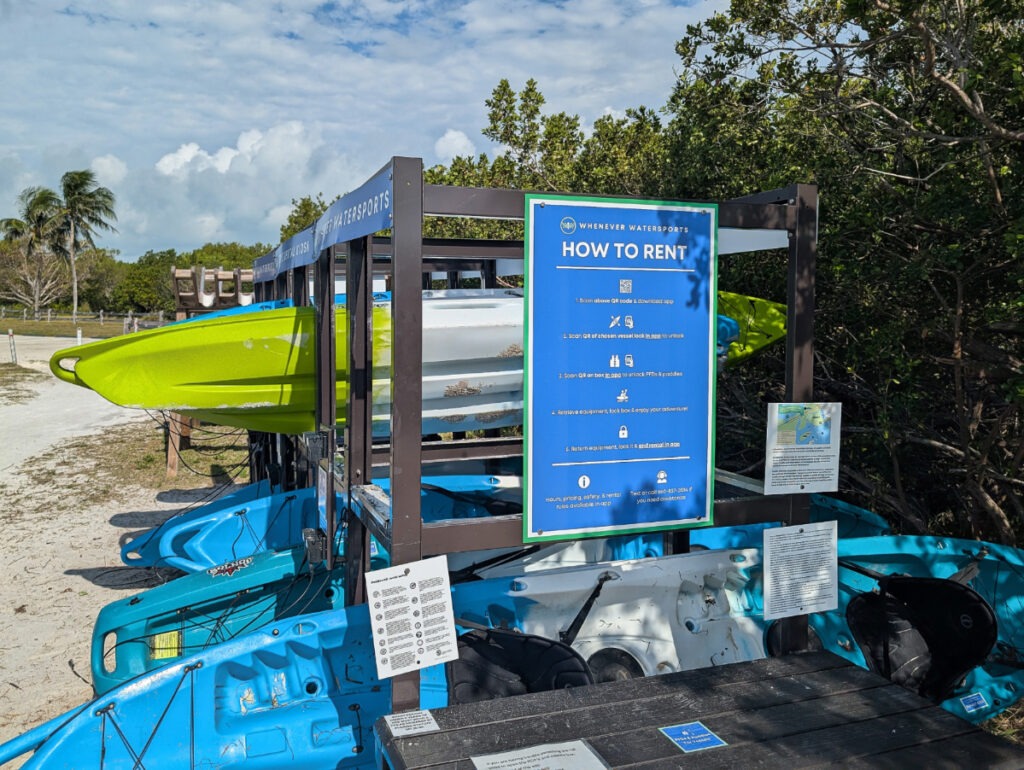
- Access Tip: Use the Whenever Water Sports app for automated, 24/7 self-guided mangrove kayak rental options.
- Trail Length: Expect a 2.5-mile trek at John Pennekamp or a more technical 5-mile loop at Curry Hammock.
Florida Keys mangrove kayaking is best experienced at Curry Hammock State Park (MM 56) and John Pennekamp (MM 102), where narrow tunnels formed by red mangrove prop roots create unique overhead canopies and sheltered marine life nurseries. These locations offer the perfect blend of technical paddling and serene wildlife observation across the vast Florida Keys National Marine Sanctuary.
Choosing Your Vessel: Kayak vs. Paddleboard
One of the first decisions you need to make is whether to use a kayak or a stand-up paddleboard (SUP). While SUPs are popular for open-water flats, the kayak vs paddleboard for Florida Keys mangrove tunnels debate has a clear winner: the kayak.
The primary reason is clearance. Mangrove tunnels are often very narrow and have a low overhead canopy. In a sit-on-top kayak, you are positioned low to the water, making it easy to duck under branches. On a paddleboard, you are much taller, and you may find yourself constantly having to drop to your knees or belly to pass through. Additionally, paddleboard fins are typically deeper and can easily snag on submerged red mangrove prop roots or delicate seagrass beds in the shallow flats.
Knowing how to navigate narrow mangrove tunnels in a kayak is much simpler because your center of gravity is lower, granting you better stability when you need to use your hands to push off a branch or guide yourself through a tight turn. Most local experts recommend sit-on-top kayaks for these excursions because they are easy to get back into if you decide to take a quick swim in the deeper channels and they drain naturally if you bring a little water aboard with your paddle.
North Keys: John Pennekamp (MM 102)
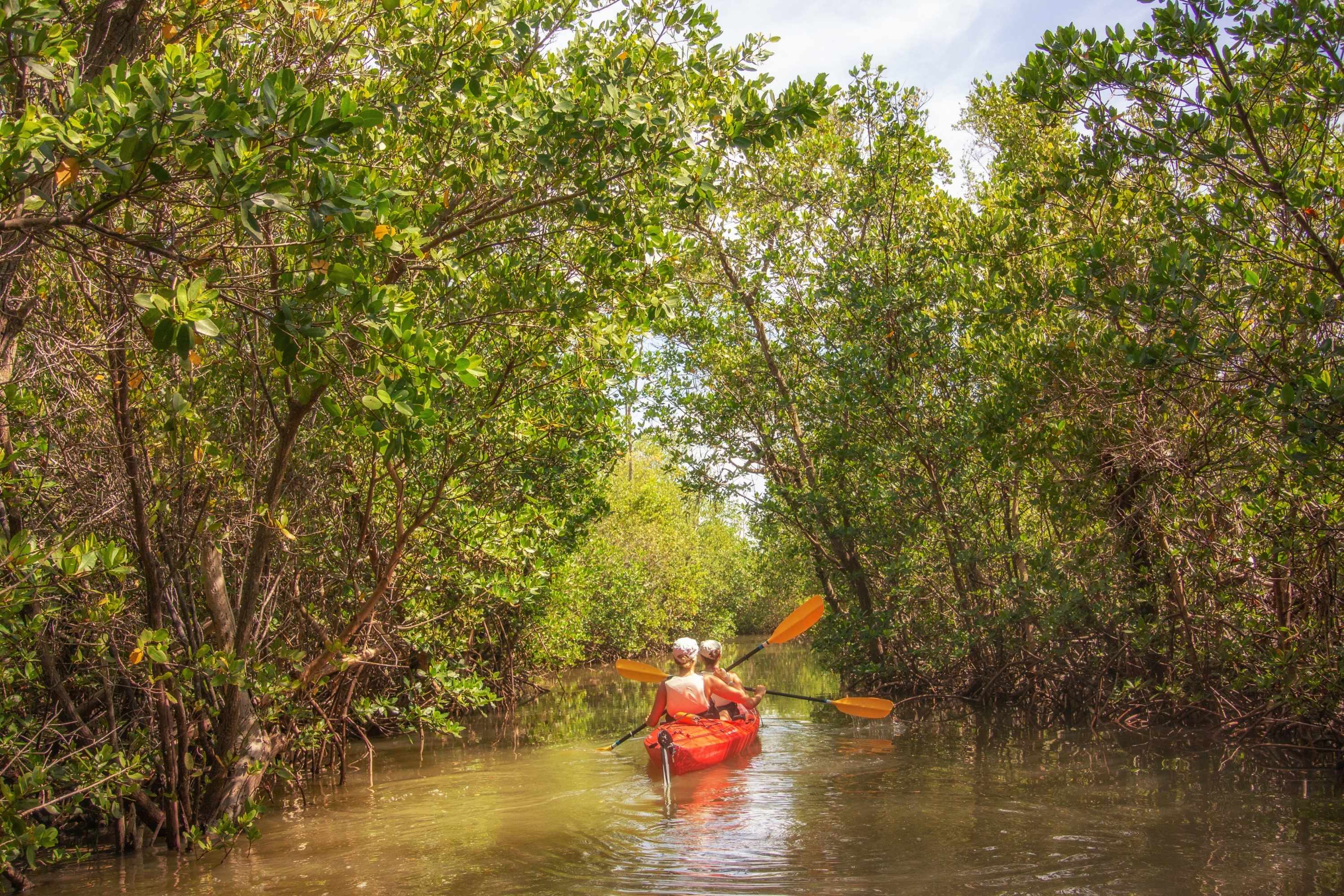
For those starting their journey at the top of the island chain, John Pennekamp Coral Reef State Park in Key Largo is a must-visit destination. While famous for its offshore reefs, the park also offers 2.5 miles of marked mangrove wilderness trails specifically designed for kayaking and canoeing.
This is often considered the best mangrove tunnels in Florida Keys for beginners because the trails are well-marked and the water is generally very calm. As you paddle, you will transition from open basins into the sheltered Florida Bay backcountry. The water clarity here is exceptional, allowing you to see directly into the brackish water ecosystem below.
Because you will be spending time in a highly protected environment, the use of reef-safe sunscreen is mandatory to protect the delicate marine life nurseries. As you navigate these trails, keep an eye out for the small schools of snapper and barracuda that utilize the tangled roots as a fortress against larger predators.
Middle Keys: Curry Hammock State Park (MM 56)
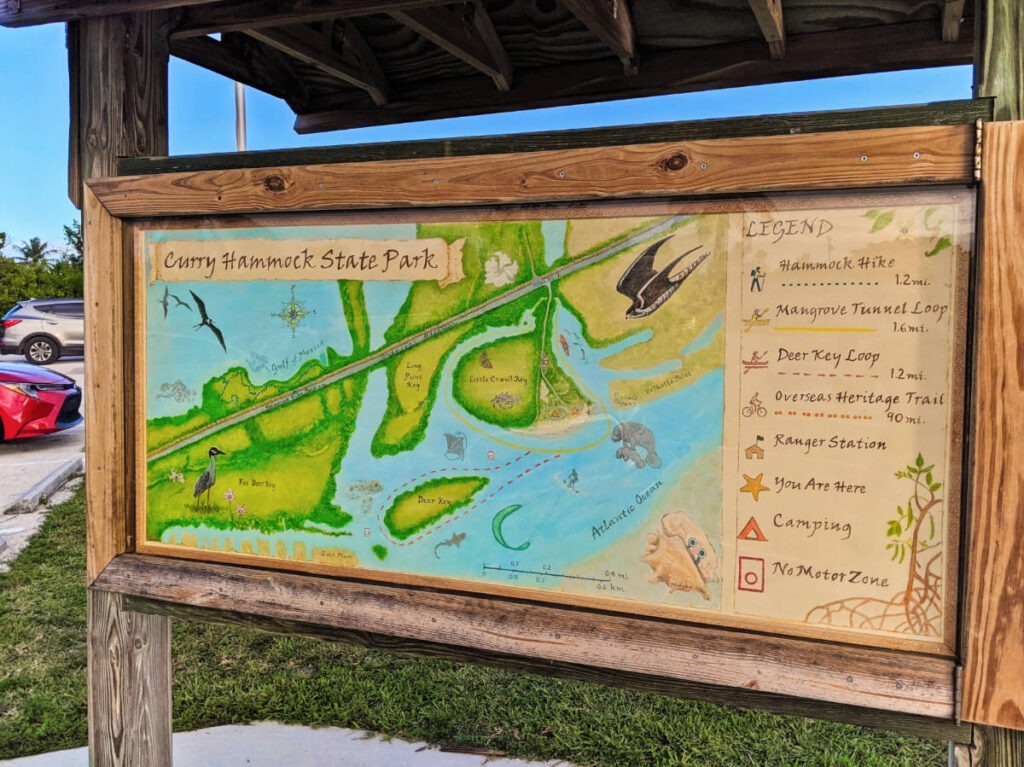
If you are looking for a more immersive and slightly more challenging experience, head down to Mile Marker 56. Curry Hammock State Park kayaking is legendary among locals for its five-mile technical water trail that snakes around Little Crawl Key.
The Curry Hammock State Park mangrove tunnel trail guide experience is different from Pennekamp because the tunnels here are often longer and more intricate. You will find yourself deep within the interior of the island, where the sound of the highway disappears and is replaced by the clicking of mangrove crabs and the calls of ospreys.
For logistics, the park offers Florida Keys self-guided mangrove kayak rental options through the Whenever Water Sports app. This automated system allows you to unlock a kayak at your convenience, making it perfect for those who want to hit the water before the traditional rental shops open. If you prefer a more educational approach, the park frequently hosts naturalist-led tours on Fridays, offering deep insights into the tidal current navigation required to master the loop.
Wildlife and Navigation Tips
The mangrove forests are often called the "kidneys of the ocean" because they filter nutrients and sediment, but for a paddler, they are more like a vibrant, living nursery. Mangrove forests line more than 1,800 miles of shoreline within the Florida Keys National Marine Sanctuary, and these areas are teeming with life. In fact, Approximately 80% of all marine organisms native to the Florida Keys utilize mangrove areas for sheltering and hatching their young.
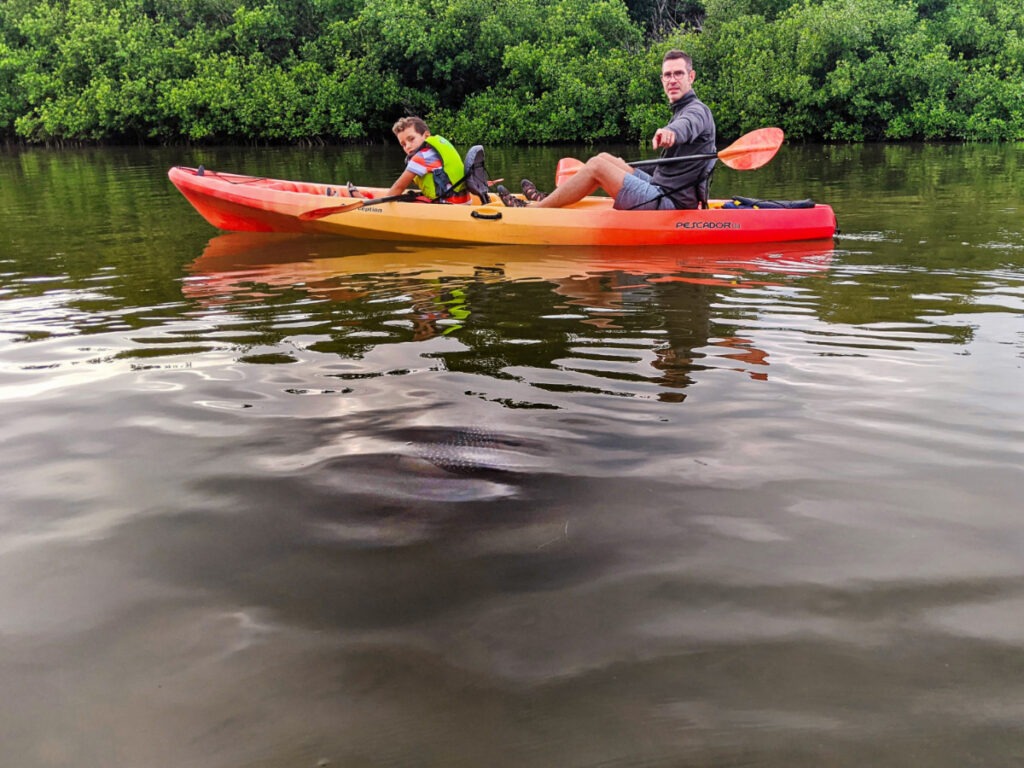
As you move through the shallow flats, look down to see upside-down jellyfish (Cassiopeia). Unlike other jellyfish, these stay on the bottom with their tentacles facing upward to catch sunlight for the algae living in their tissues. You may also encounter manatee sightings, especially near the deeper channels where the tidal flows bring in fresh, oxygenated water.
When it comes to kayaking mangrove tunnels tips, timing is everything. The best time of day for mangrove kayaking Florida Keys is during a rising tide. This ensures you have enough water depth to clear the shallow sandbars and helps propel you into the tunnels with less effort. Always pay attention to the overhead canopy; spiders and crabs are common residents of the branches, so try to avoid grabbing the roots to pull yourself along.
Planning Your Trip: Essentials to Pack
Preparation is the key to a successful Florida Keys paddling guide adventure. The environment is beautiful but can be unforgiving if you aren't equipped for the sun and the insects.
When gathering your essentials to pack for kayaking Florida Keys mangroves, consider the following checklist:
- Reef-safe sunscreen: Protect the water while protecting your skin.
- Wet shoes: Essential for launching your kayak from sandy or muddy banks.
- Lightweight long-sleeved shirt: Provides much-needed shade and protection from biting "no-see-ums" in shaded tunnels.
- Dry bag: To keep your phone and camera safe while capturing nature photography.
- Polarized sunglasses: These are vital for cutting through the surface glare to see the marine life below.
- Plenty of water: The humidity inside the tunnels can be intense, even in the shade.
The brackish water ecosystem is a place of constant change. You might see migratory falcons nesting in the high canopy one month and schools of juvenile lemon sharks the next. By packing correctly and choosing the right vessel, you ensure that your focus remains on the stunning natural beauty surrounding you rather than on discomfort or gear failure.

FAQ
Where is the best place to kayak in the Florida Keys?
The most sought-after locations for mangrove kayaking include John Pennekamp Coral Reef State Park in Key Largo for beginners and Curry Hammock State Park in the Middle Keys for those seeking a more technical, winding trail through the mangroves.
Do you need a guide for mangrove kayaking in the Keys?
While many people enjoy self-guided mangrove kayak rental options, a guided naturalist tour is highly recommended for first-timers. Guides help with navigation through complex tunnels and provide valuable education on the local ecosystem.
Is it safe to kayak in the mangroves?
Yes, it is generally very safe. The water is shallow and calm. The primary safety concerns are staying hydrated, protecting yourself from the sun, and being mindful of tidal changes so you don't get grounded in shallow seagrass beds.
What should I wear for mangrove kayaking?
Wear quick-drying, lightweight clothing. A long-sleeved sun shirt and a wide-brimmed hat are ideal. Wet shoes or sandals with straps are necessary for the launch and to protect your feet from submerged roots or shells.
Are there alligators in the Florida Keys mangroves?
While the Florida Keys are home to the American Crocodile, they are shy and rarely encountered by paddlers. Alligators prefer freshwater and are extremely rare in the salty, brackish waters of the Keys' mangrove forests.
Can you see manatees while kayaking in the Keys?
Absolutely. Manatees are frequent visitors to the mangrove fringes and canals of the Keys, particularly during the cooler months. They are often found in areas with gentle tidal currents. Always maintain a respectful distance from these protected animals.