Quick Facts
- Market Trend: Consumers pay an average premium of approximately 190 USD for every pound of weight reduced via premium materials.
- Warmth Standard: ISO 23537 is the 2026 industry benchmark for standardized thermal testing.
- Thermal Cost: Scaling gear indicates that the cost of thermal performance increases by roughly 15 USD for each additional degree Fahrenheit of warmth.
- Insulation Choice: 850-fill power down provides the best ratio of warmth to weight, while synthetic is superior for wet-weather durability.
- Design Shift: Approximately 25% of ultralight backpackers have moved to modular quilt-style designs for 3-season versatility.
- Sizing: Modern spoon-shaped bags accommodate side sleepers better than high-efficiency mummy cuts.
Choosing the right backpacking sleeping bag is the difference between a restful night and a shivering ordeal. In 2026, the market offers more options than ever, from ultralight backpacking quilts to sustainable 850-fill power down bags, necessitating a firm grasp of the ISO temperature rating guide and current insulation tech to find your perfect match.
Insulation: Down vs. Synthetic Comparison
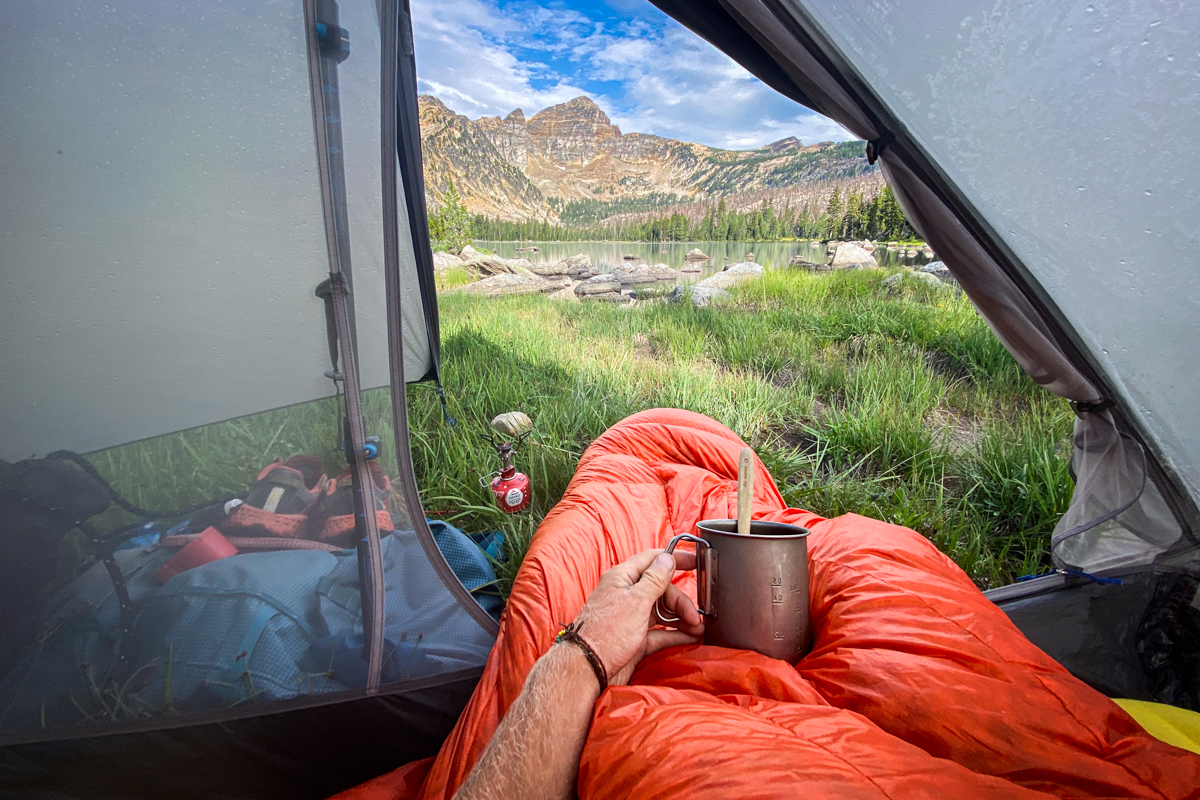
The ongoing debate between down vs synthetic sleeping bag options has shifted significantly due to material breakthroughs. Historically, nature's own duck and goose down provided unparalleled insulation by trapping air in thousands of tiny filaments. This creates a high-performance warmth-to-weight ratio that synthetic fibers struggled to match. In 2026, premium goose down remains the gold standard, particularly for long-distance hikers balancing sleeping bag weight and packability for thru-hiking where every cubic inch in a pack is precious.
However, the cost of this efficiency is measurable. Quantitative market research shows that hikers pay an average premium of approximately 190 USD for every pound shaved off their gear weight by switching to higher fill powers and ultralight fabrics. Furthermore, the thermal cost of roughly 15 USD per degree of warmth means that a 0-degree down bag will almost always significantly exceed the price of a 30-degree counterpart.
When conducting a down vs synthetic backpacking sleeping bag comparison, moisture is the deciding factor. While down loses loft when wet, most 2026 models feature hydrophobic treatment on the insulation itself. This chemical coating allows down to resist water and dry faster, though it still falls short of synthetic’s performance in soaking conditions. Synthetic insulation, composed of polyester filaments, maintains thermal efficiency when damp and is much more budget-friendly. It is the ideal choice for those looking for budget-friendly down sleeping bags for entry-level hikers who may not yet want to invest $500 in a specialized piece of kit.
Decoding ISO Temperature Ratings
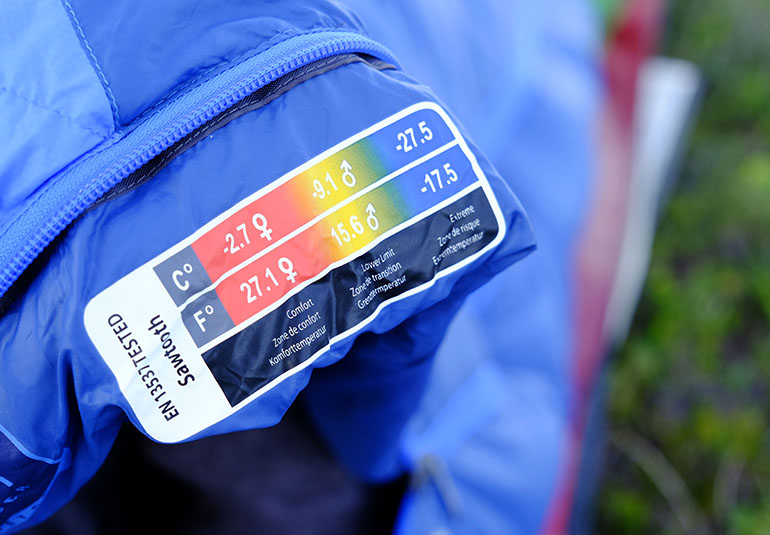
The ISO temperature rating guide provides the most reliable way to determine if a backpacking sleeping bag will keep you safe. The standard, ISO 23537, breaks performance into three main categories: Comfort, Lower Limit, and Extreme. If you browse any major retailer, you will see a tag listing these figures.
To understand ISO sleeping bag temperature ratings, you first need to identify your metabolic baseline. The Comfort rating is the temperature at which a standard female (or cold sleeper) can sleep comfortably in a relaxed position. The Lower Limit rating is the temperature at which a standard male (or warm sleeper) can sleep for eight hours without waking. Experienced guides generally suggest the 10-degree buffer rule: strictly buy a bag that is rated 10 to 15 degrees colder than the lowest temperature you expect to encounter.
A high-quality bag achieves these ratings not just through insulation, but through the integration of a draft collar and tubes. These are insulated baffles that run along the zipper and around the neck to prevent heat from escaping. For 3-season versatility, look for a bag that allows you to vent your feet or un-zip completely when the temperatures are milder than expected.
Sleeping Bags vs. Ultralight Quilts in 2026
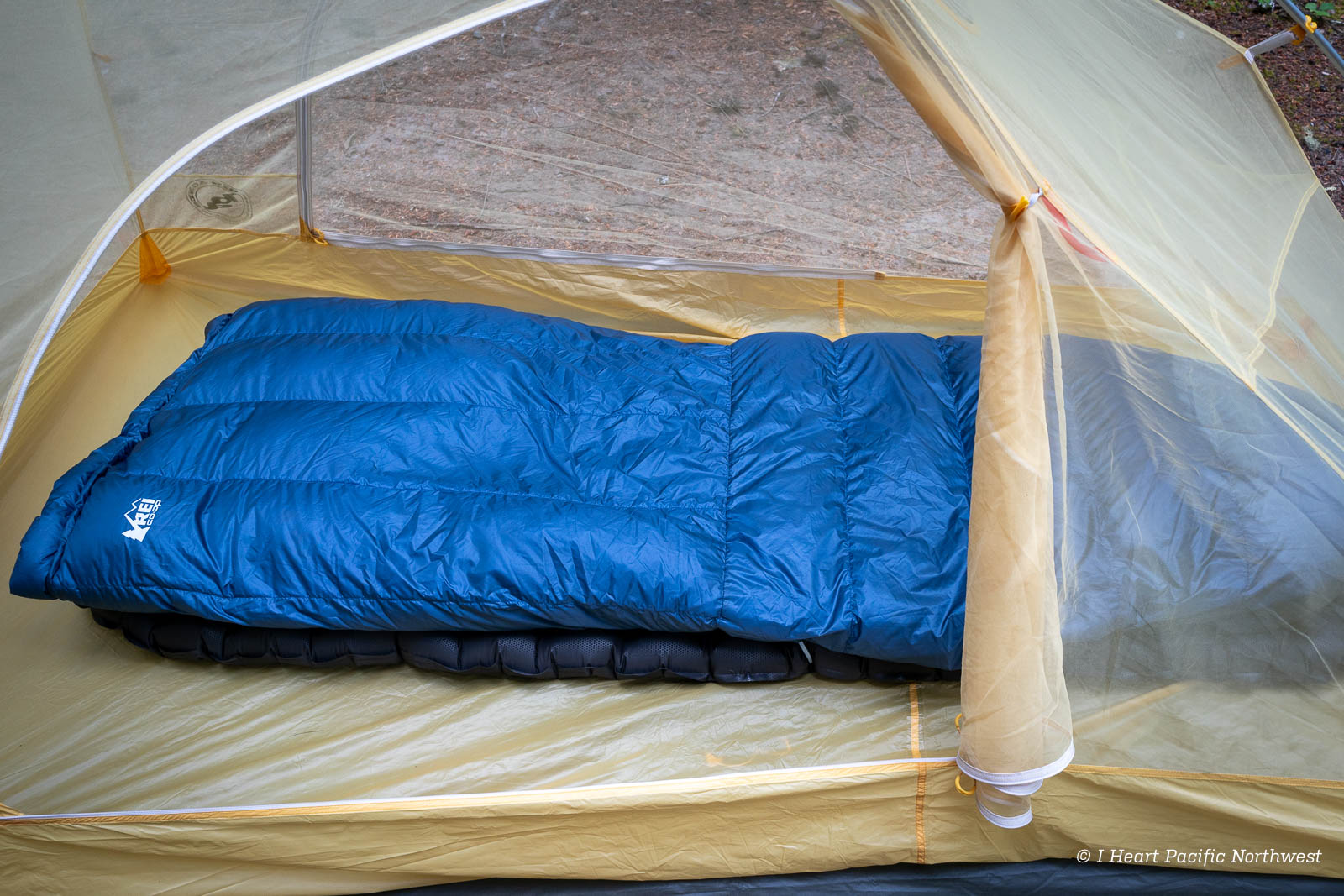
The backpacking world is currently witnessing a paradigm shift. Recent data suggests that approximately 25% of ultralight backpackers now prefer ultralight backpacking quilts over traditional mummy bags. The logic is simple: insulation works by trapping air, but when you lie on top of a sleeping bag, the down under your body is compressed and loses its ability to hold heat.
By removing the back of the bag and the hood, quilts achieve significant weight savings. A quilt can be 20% to 30% lighter than a comparable backpacking sleeping bag while offering the same top-side warmth. This makes them a favorite for those focused on balancing sleeping bag weight and packability for thru-hiking. Modern quilts also employ PFAS-free DWR finishes and RDS certification to ensure that their materials meet 2026 environmental standards.
However, quilts come with a learning curve. They lack the draft-proof seal of a traditional bag. If you are an active sleeper who tosses and turns, a quilt might let in cold gusts of air unless it is properly strapped to your sleeping pad. For extreme cold or high-alpine expeditions, a traditional mummy bag remains the superior choice for trapping heat and maintaining thermal efficiency.
Shape, Fit, and Side-Sleeper Considerations
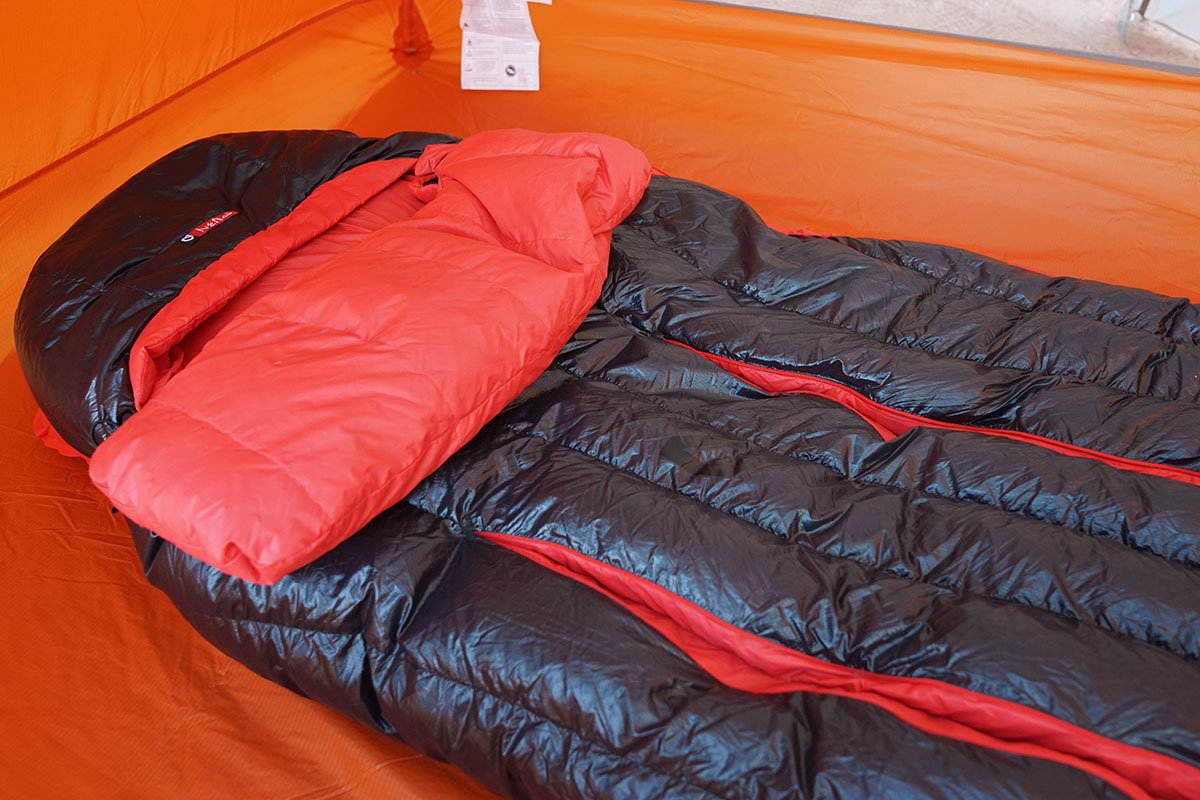
How a bag fits your body is just as important as the insulation inside. A bag that is too big will have empty pockets of air that your body has to work overtime to heat up. Conversely, a bag that is too tight will compress the insulation against your elbows and knees, creating cold spots.
When looking at how to choose the right sleeping bag size and dimensions, examine the girth and shoulder circumference measurements. Most standard mummy bags have a narrow cut to maximize weight efficiency. However, choosing a backpacking sleeping bag for side sleepers requires a different approach. Brands like Nemo have popularized the mummy vs spoon shape debate by creating bags that are wider at the elbows and knees. This spoon shape allows you to bend your legs and shift positions without being restricted by the fabric.
Proper fit checklist:
- Shoulder Girth: Ensure you have enough room to move your arms but not so much that you feel a draft.
- Length: Your toes should close to the end without pushing against the fabric, which compresses the insulation.
- Draft Efficiency: Check that the hood cinches closely around your face to seal in warmth.
The Holistic Sleep System: Pair with the Right Pad
Your backpacking sleeping bag is only one-half of the equation. In the outdoors, you lose heat much faster through conduction to the ground than you do to the air. This is why your sleeping pad is critical.
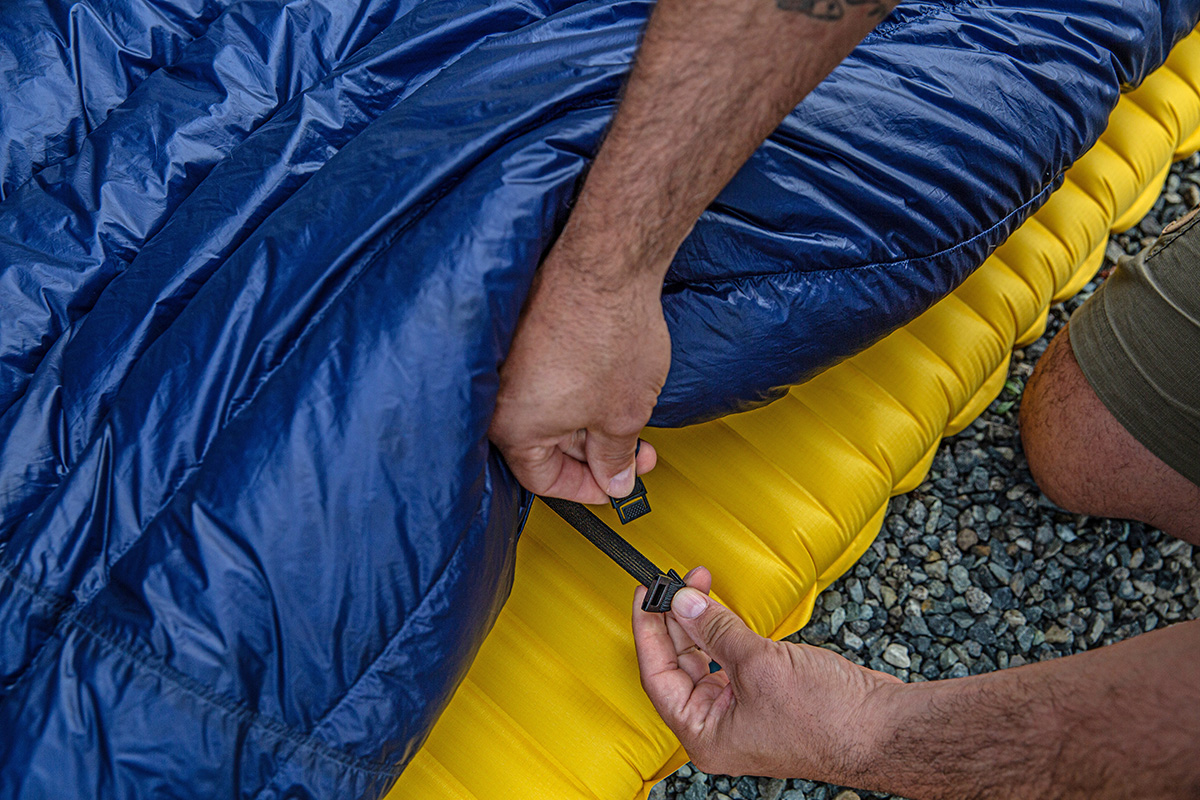
Every pad is assigned an R-value, which measures its resistance to heat loss. For 3-season versatility, aim for a pad with an R-value of at least 3.0 to 4.0. If you are using a quilt, you may need an even higher R-value because you are relying entirely on the pad for bottom-side insulation. In 2026, many manufacturers are designing modular systems where the bag and pad are physically joined by a series of toggles or sleeves to ensure you never slide off your insulation in the middle of the night.
FAQ
What temperature rating do I need for a backpacking sleeping bag?
For general 3-season use in the mountains, a bag with a comfort rating between 15°F and 25°F is the standard. If you primarily hike in summer or at lower elevations, a 35°F bag may suffice, while winter camping requires ratings of 0°F or lower.
Which is better for backpacking: down or synthetic sleeping bags?
Down is superior for most backpackers due to its lighter weight and smaller packed size, especially if it has a hydrophobic treatment. Synthetic is the better choice for extremely wet environments, such as the Pacific Northwest, or for budget-conscious hikers.
How much should a backpacking sleeping bag weigh?
A high-quality 3-season backpacking sleeping bag typically weighs between 1.5 and 2.5 pounds. Ultralight options and quilts can drop under 1 pound, while entry-level synthetic bags may weigh closer to 3 or 4 pounds.
Are backpacking quilts better than sleeping bags?
Quilts are better for weight-conscious hikers and side sleepers who feel constricted in mummy bags. However, they require more skill to setup and a higher-quality sleeping pad to prevent drafts, whereas sleeping bags are more "plug-and-play" for cold nights.
What is the difference between comfort and limit temperature ratings?
The comfort rating specifies the temperature at which a cold sleeper can remain warm, whereas the lower limit rating indicates where a warm sleeper might begin to feel the chill. Always use the comfort rating as your guide if you are unsure of your metabolic heat.
Conclusion & Gear Checklist
Choosing the perfect backpacking sleeping bag for 2026 comes down to balancing your budget against your need for weight savings and thermal performance. Whether you choose the efficiency of a 850-fill power mummy bag or the sprawling comfort of a spoon-shaped design, ensure your choice aligns with the environments you plan to explore.
Before you head to the checkout, run through this final checklist:
- Verify the Rating: Is the ISO comfort rating at least 10 degrees lower than your expected environment?
- Check the Girth: Will the shoulder circumference accommodate your sleeping style?
- Shell Material: Does it feature a PFAS-free DWR coating to repel light moisture?
- Compression: Is the packed size compatible with your current backpack volume?
- Sustainability: Does the insulation have RDS certification for ethical sourcing?