Quick Facts
- Booking Platform: Hipcamp (exclusive partner)
- Available Units: 6 properties (2 drive-in lodges, 4 backcountry huts)
- Best For: Families, large groups, and expert backcountry skiers or snowshoers
- Location: Tahoe National Forest near Donner Summit, California
- Accessibility: Options range from paved road access to 6-mile wilderness treks
- Booking Tip: Reserve months in advance for winter weekends as these historic spots fill up quickly
Booking Sierra Club Tahoe huts is now streamlined through a partnership with Hipcamp. Users can browse and reserve specific lodges and backcountry refuges directly through the Hipcamp platform. Available properties include drive-in options for groups and remote off-grid shelters that offer a true wilderness experience in the Sierra Nevada mountains.
The New Era of Tahoe Backcountry Hut Rentals
For decades, securing a bed at one of the Sierra Club’s historic shelters felt like a secret handshake known only to a few. The process often involved physical mail-in lotteries or checking obscure calendars. However, the landscape of California mountain travel changed significantly in January 2026, when the Sierra Club partnered with Hipcamp to provide direct online booking for six historic Tahoe-area properties.
This digital shift does more than just make your trip planning easier; it ensures the long-term survival of these structures. The revenue generated through these bookings directly supports mountain wilderness stewardship and the extensive maintenance required to keep these century-old buildings safe against the brutal Sierra winters. By staying here, you become part of a 100-year history of outdoor conservation. Whether you are looking for a communal lodge experience near Donner Pass or a solitary night under the stars, this new system simplifies the path to your next adventure.
Tier 1: Drive-in Mountain Lodges (Best for Groups)
If you are planning a family reunion, a scout troop outing, or a mountain wedding, the drive-in lodges are your best bet. These facilities offer the rustic hospitality the Sierra Nevada is famous for without requiring a heavy pack. They serve as excellent basecamps for exploring the high country during the day while returning to a warm roof and a kitchen at night.
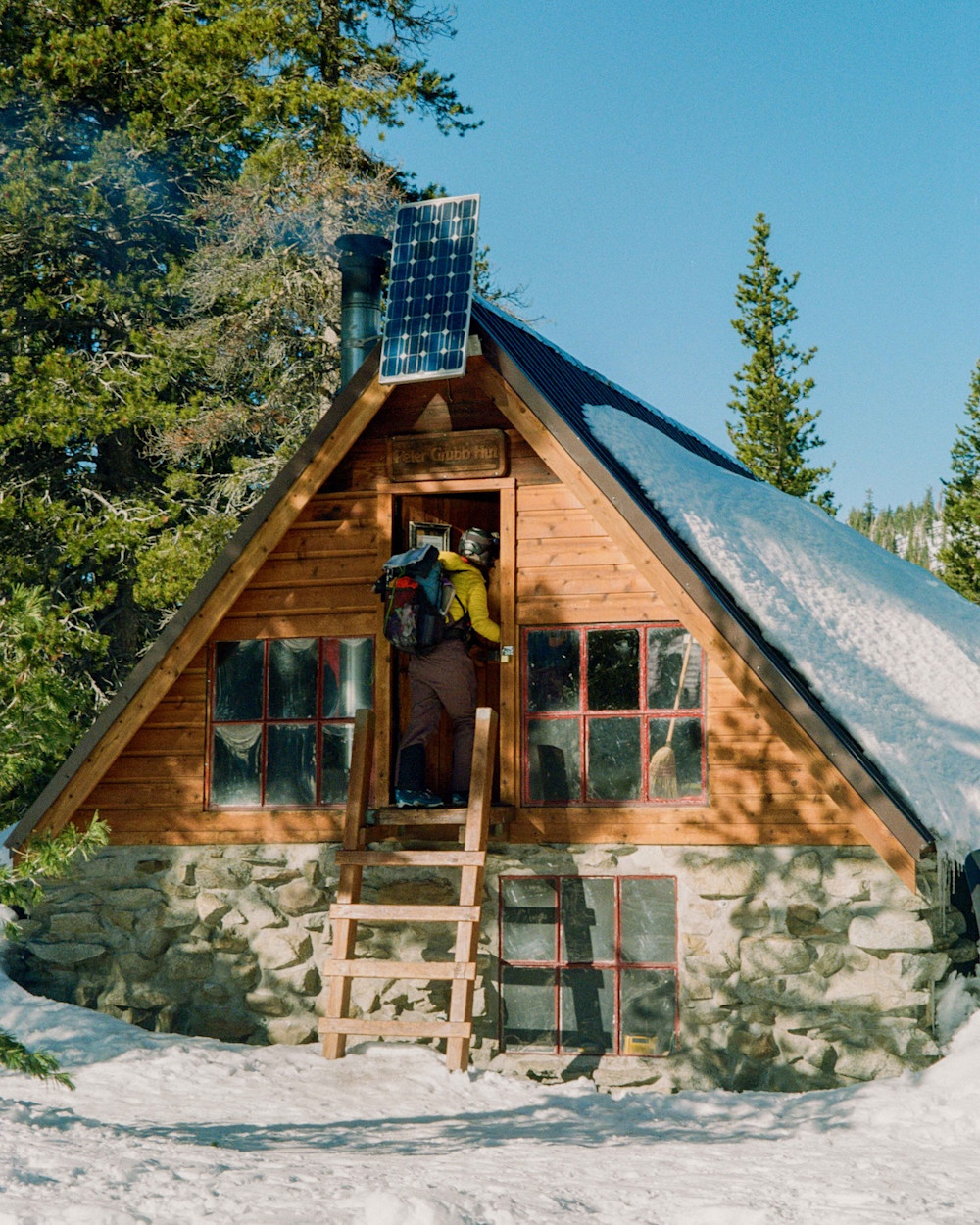
The historic Clair Tappaan Lodge, constructed in 1934 near Donner Summit, is the crown jewel of the collection. It features sleeping accommodations for up to 140 guests in various bunk-style rooms. Living here is a communal experience; guests often share meals in the massive dining hall and swap stories by the giant stone fireplace. It is the quintessential Tahoe experience for those who value community over luxury.
Just down the road sits Hutchinson Lodge, which was built in 1924 as the original Sierra ski lodge. Unlike the larger Clair Tappaan, Hutchinson offers exclusive-use communal accommodations for groups of up to 25 people. It is perfect for those who want a private "cabin in the woods" feel but still need enough space for two dozen friends. Both lodges provide easy access to the Pacific Crest Trail and are just minutes away from some of the best skiing in the region.
Tier 2: Remote Backcountry Refuges (The 'Earn Your Turns' Huts)
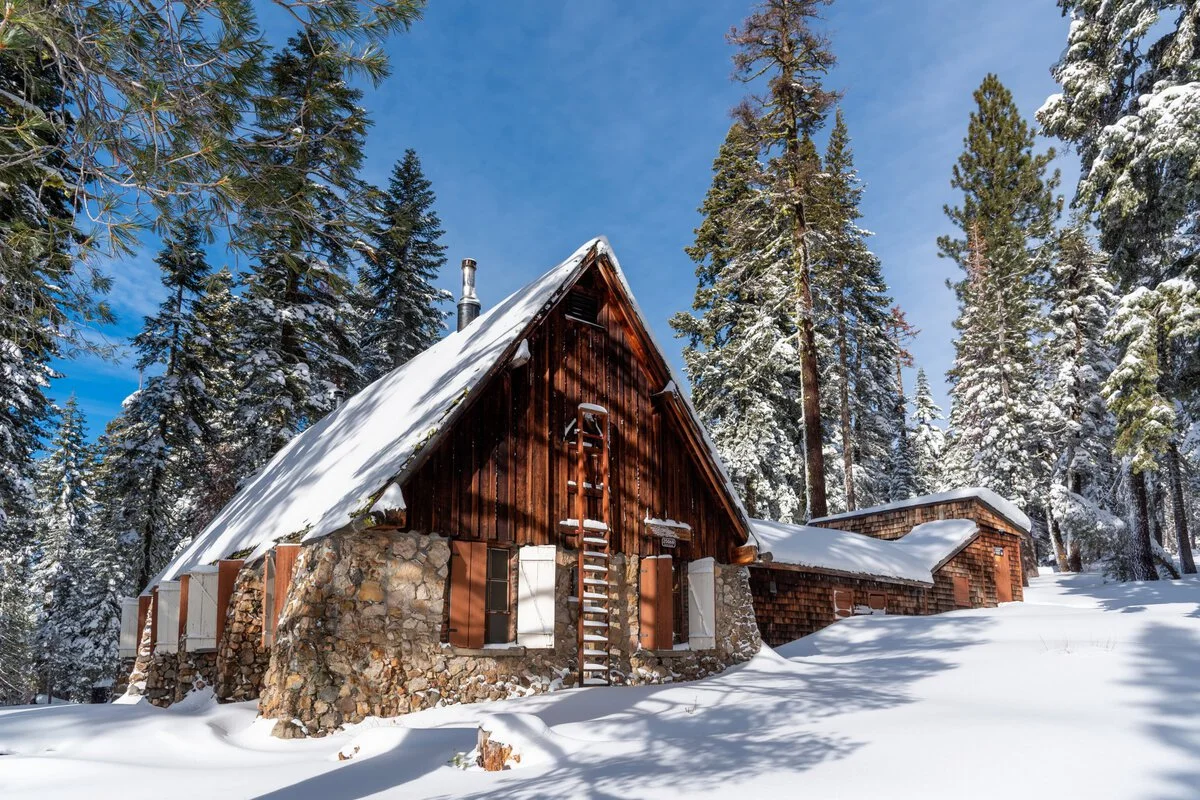
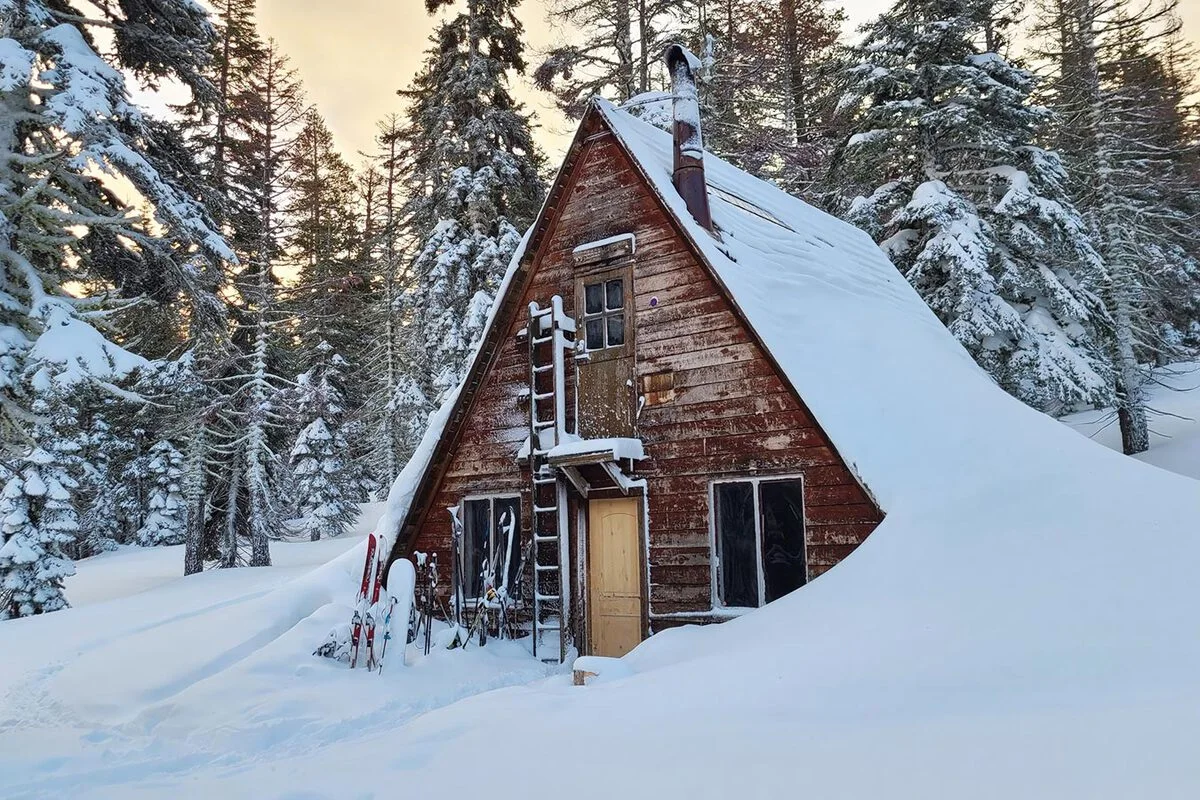
For those who view a 50-pound pack and a steep climb as a good time, the Sierra Club backcountry huts are legendary. These are not luxury hotels; they are off-grid shelters designed for mountain weather safety and minimalist living. Booking these Tahoe backcountry hut rentals through the Sierra Club Hipcamp booking guide requires a bit more technical knowledge, as you need to be honest about your physical fitness and winter navigation skills.
These remote huts are typically reachable by a 3 to 6-mile hike or ski, depending on the snow conditions. In the winter, these routes are not marked, meaning you must be proficient with a map, compass, or GPS.
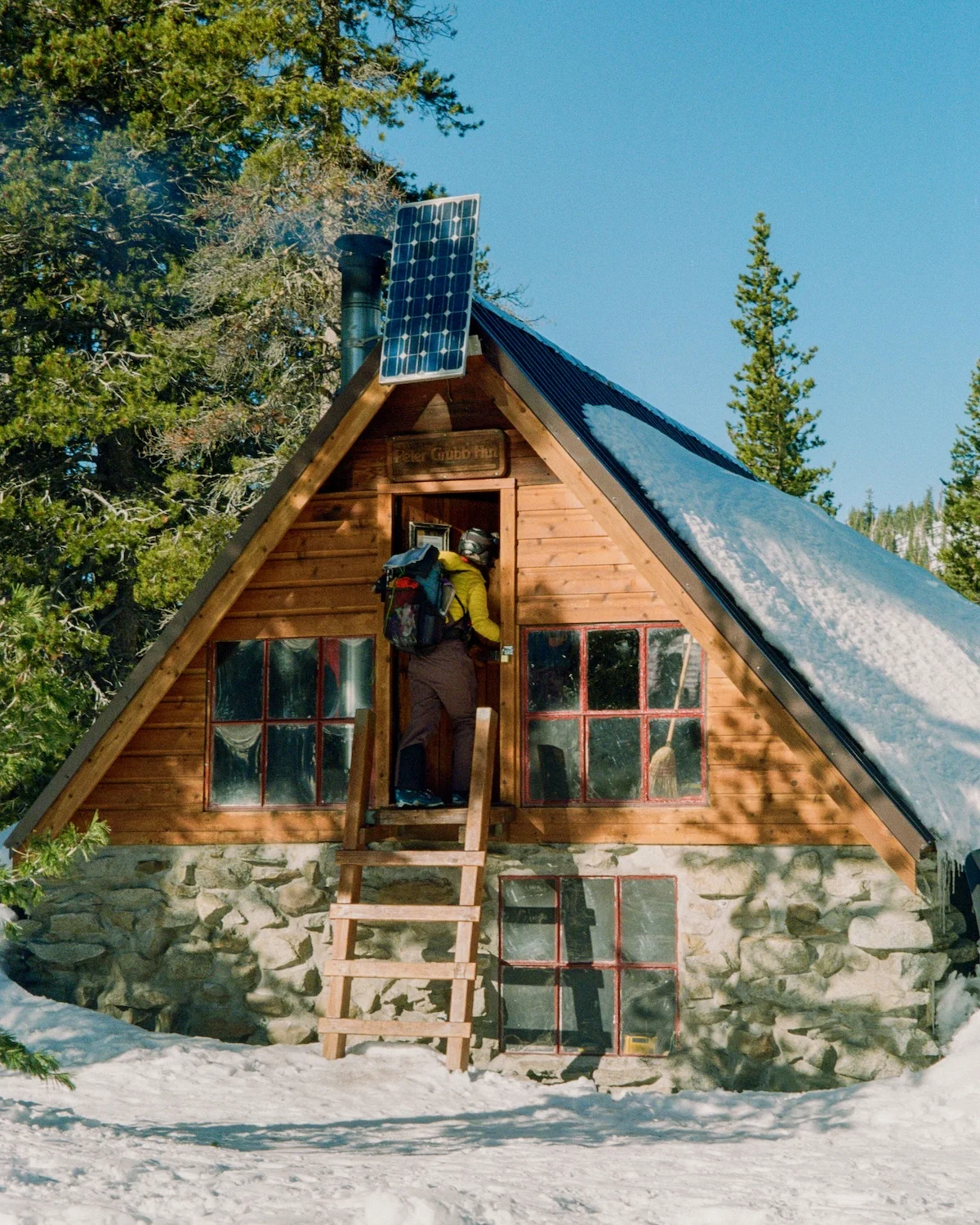
Peter Grubb Hut
Located in a beautiful bowl below Castle Peak, this is perhaps the most popular of the remote huts. It provides an excellent base for backcountry skiing. The approach is roughly 3 miles from the Boreal Sno-Park, but the elevation gain can be challenging in deep powder.
Benson Hut
Perched on the north shoulder of Anderson Peak, the Benson Hut offers some of the most dramatic views in the Tahoe National Forest. It is a favorite for those attempting sections of the Pacific Crest Trail in the shoulder seasons.
Ludlow Hut
Located near Lake Geneva, the Ludlow Hut is often quieter than the Donner Pass sites. It is a fantastic destination for winter snowshoeing through old-growth forests. The terrain here is slightly more mellow, making it a good choice for those new to the hut-to-hut experience.
Bradley Hut
Situated in the Pole Creek drainage, the Bradley Hut was moved and rebuilt by volunteers to its current location. It offers excellent access to the Silver Peak area for skiers looking for steep lines and deep snow.
Backcountry Hut Comparison Table
| Hut Name | Approx. Distance (Miles) | Elevation Gain (Feet) | Capacity (Beds) | Best For |
|---|---|---|---|---|
| Peter Grubb | 3.0 | 800 | 15 | Backcountry Skiing / Families |
| Bradley | 5.0 | 1,500 | 15 | Peak Bagging / Solitude |
| Benson | 5.5 | 1,800 | 12 | Expert Navigators / Views |
| Ludlow | 6.0 | 1,100 | 15 | Snowshoeing / Long Treks |
Essential Winter Hut Trip Planning for Tahoe National Forest
A successful trip to the Sierra Club Tahoe huts requires more than just a Hipcamp reservation. Since these are historic, off-grid shelters, you are responsible for almost everything you need to survive.
First, consider the "Sugar Bowl hack" if you are visiting the Benson Hut. You can often purchase a one-way lift ticket from Sugar Bowl Resort to reach the ridge line, saving you thousands of feet of climbing. It is a well-known local secret for conserving energy for the actual skiing once you reach the hut.
Second, your gear list must be ironclad. While the huts offer a roof and a wood-burning stove (with wood usually provided), they do not provide bedding. You must bring high-quality sleeping pads and zero-degree sleeping bags. Portable stoves are also mandatory, as you should never rely solely on the hut's wood stove for melting snow or cooking.
Don't forget the legalities. Parking in the Tahoe area during winter is strictly regulated. You will most likely need a California Sno-Park permit to leave your vehicle at the trailhead. Be aware that most bookings in the Tahoe region are subject to a 10% Transient Occupancy Tax (ToT), which is usually handled through the booking platform but should be factored into your budget.
Lastly, mountain weather safety is paramount. The Donner Summit area is one of the snowiest places in the lower 48 states. Storms can move in fast, dropping feet of snow in hours and reducing visibility to zero. Always check the Sierra Avalanche Center forecast before heading out.
FAQ
How do I book a Sierra Club hut in Tahoe?
You can reserve your stay by visiting the Hipcamp website or app. Search for the specific lodge or hut name (such as Clair Tappaan or Bradley Hut) to see real-time availability and complete your booking online.
What amenities are included in Sierra Club backcountry huts?
Backcountry huts are extremely basic. They provide a structural shelter, a wood-burning stove for heat, and a pit toilet (usually in an outhouse). You must bring your own sleeping gear, food, water filtration, and cooking equipment. The drive-in lodges, however, offer more amenities like commercial kitchens and hot showers.
Do you need to be a member to stay at Sierra Club Tahoe huts?
No, you do not need to be a Sierra Club member to book these properties via Hipcamp. However, members often feel a deeper connection to the mission of wilderness stewardship that these huts represent.
Are dogs allowed at Sierra Club backcountry huts in Tahoe?
Generally, no. To respect the communal living environment and the local wildlife, dogs are typically not allowed at the remote backcountry huts or the communal lodges. Always check the specific Hipcamp listing for the most up-to-date pet policy.
Are Sierra Club huts in Tahoe open during the winter?
Yes, winter is the peak season for these huts. They are designed specifically to provide safety and shelter for winter mountaineering, skiing, and snowshoeing.
What should I bring for a stay at a Tahoe backcountry hut?
In addition to standard winter backpacking gear, you should bring a topographical map, a GPS, a cold-rated sleeping bag, a sleeping pad, a portable stove, extra fuel, and plenty of high-calorie food. Always carry the ten essentials for any Sierra Nevada wilderness trip.