Our Top Picks
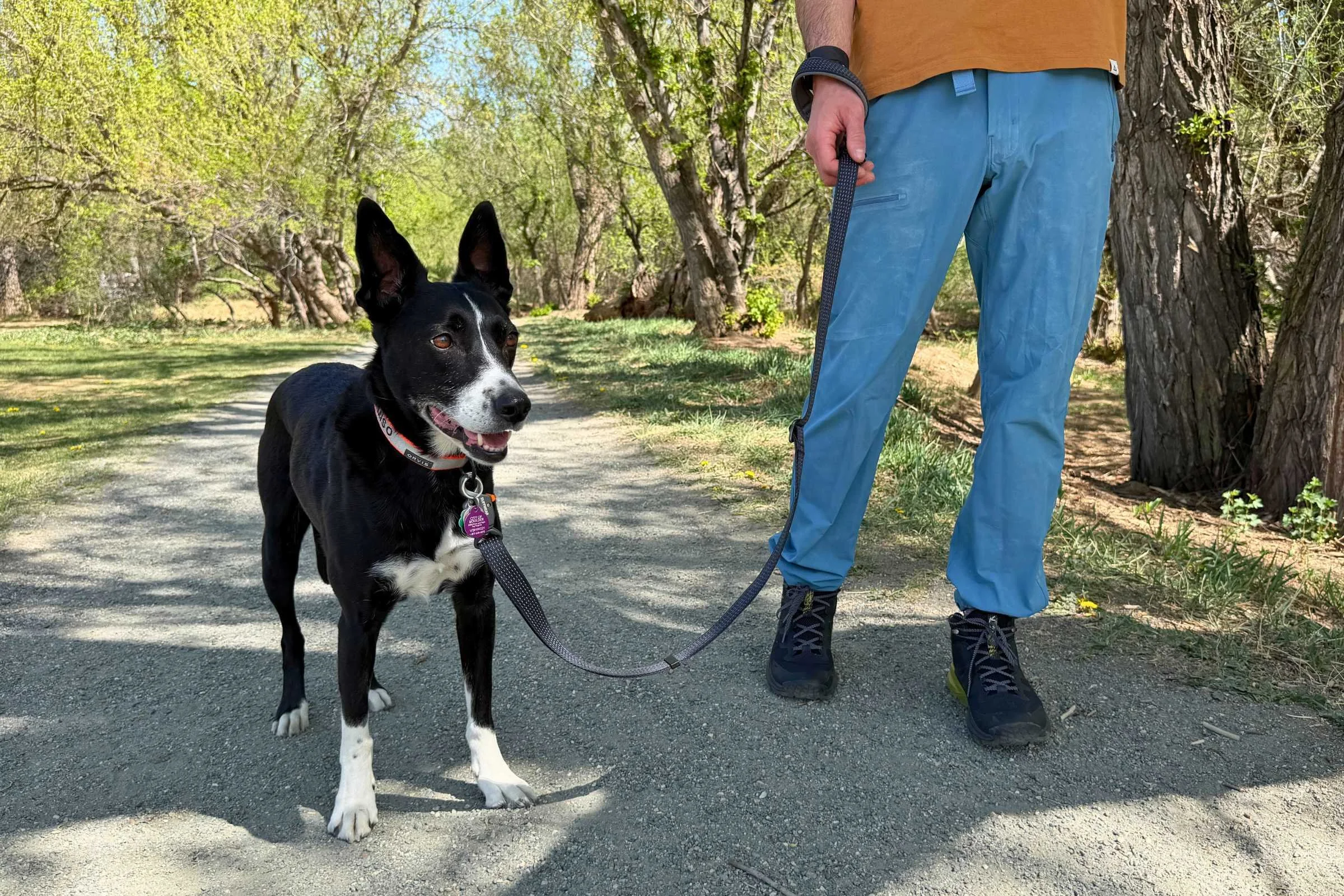
- Best Overall Hiking Leash: Ruffwear Roamer – A versatile bungee-style leash that transitions perfectly between waist-worn and hand-held modes.
- Best for Strong Pullers: Atlas Pet Company Lifetime Leash – Climbing-grade durability featuring a lifetime warranty for high-energy dogs on rocky terrain.
- Best Hands-Free System: Kurgo K9 Excursion Belt – Designed for comfort over long distances, perfect for hikers who rely on trekking poles.
- Best for Wet Conditions: Wilderdog Waterproof Leash – Uses PVC-coated polyester to resist moisture, odors, and the messiest trail mud.
For hiking and backcountry trails, hands-free and bungee leashes are ideal for maintaining natural movement while using trekking poles. Heavy-duty options like the Ruffwear Roamer provide shock absorption that protects both the handler and the dog from sudden pulls on uneven terrain. For wet or muddy conditions, waterproof PVC-coated polyester or polypropylene rope leashes are recommended as they resist moisture and can be easily wiped clean.
2026 Hiking Leash Comparison Table
| Model | Weight | Material | Key Feature | Best Use Case |
|---|---|---|---|---|
| Ruffwear Roamer | 5.8 oz | Wavelength webbing | Bungee shock absorption | General backcountry hiking |
| Atlas Lifetime | 7.0 oz | Dry-climbing rope | Lifetime warranty | Tectonic scrambling & rocks |
| Wilderdog Waterproof | 6.5 oz | PVC-coated polyester | Mud & water resistance | River crossings & rain |
| Kurgo K9 Excursion | 9.2 oz | Padded nylon/bungee | Sliding leash clip | Long distance trail running |
| Black Rhino Heavy Duty | 8.1 oz | Dual-layer nylon | Traffic handle | Busy trailheads & large breeds |
| Blue-9 Multi-Function | 4.4 oz | Polypropylene | 6-in-1 versatility | Technical training & variety |
| Tuff Mutt Hands-Free | 8.8 oz | Reflective nylon | Dual-bungee tension | Flat trails & speed hiking |
| Mighty Paw Bungee | 6.2 oz | Aviation aluminum | Tactical carabiner | Heavy duty bungee for pullers |
| PetSafe Hands-Free | 3.2 oz | Nylon webbing | Ultralight design | Thru-hiking & backpacking |
The current landscape of trail recreation is shifting rapidly toward pet-inclusive adventure. Recent data shows that 50 percent of pet parents now take their dogs hiking, and approximately 30 percent include their furry companions in camping plans. This surge has pushed the global pet outdoor gear market to a valuation of $7.92 billion in 2024. As the market for dog collars, leashes, and harnesses grows toward an estimated $6.8 billion by 2026, the tech behind these products has significantly improved, moving from simple nylon straps to specialized mountaineering-grade equipment.
Methodology: How We Tested the 2026 Field
To find the best dog leashes for our 2026 guide, I spent six months testing gear across the diverse landscapes of the North Cascades and the high deserts of Sedona. Our "Backcountry Stress Test" was designed to simulate the absolute worst conditions a leash could face.
We prioritized webbing tensile strength and the integrity of the swivel hardware. Each leash underwent a series of tests:
- The Abrasion Test: We dragged each leash over 500 feet of sharp granite to check for fraying or structural failure.
- The Grit Exposure: Submerging clips and carabiners in fine silt and mud to see if the springs stayed functional without jamming.
- 2,000 Pull Cycles: Using a weighted machine to simulate a dog lunging repeatedly to check for elastic "bottoming out" in bungee models.
- Tangle-Free Evaluation: Evaluating if the swivel hardware actually prevents the leash from twisting when a dog moves erratically on the trail.
Best Hands-Free Leashes for Tech-Savvy Hikers
If you are a serious hiker, your hands are usually occupied with trekking poles, a map, or a camera. This is where hands-free dog leashes for hiking become essential. By moving the connection point to your center of gravity, you reduce the risk of being pulled off balance on steep descents.
Ruffwear Roamer
The Ruffwear Roamer uses a proprietary webbing that provides shock absorption while maintaining a slim profile. During our tests, the Wavelength webbing held its elasticity even after several wet-dry cycles. It features a Talon Clip for one-handed attachment and a padded handle for those moments when you need to transition back to manual control.
- Pros: Excellent shock absorption; can be waist-worn or hand-held.
- Cons: Metal clip can be heavy for very small breeds.
- Tech Specs: 7ft Extended length; Wavelength stretch webbing.
Kurgo K9 Excursion Belt
For those seeking hands-free dog leashes for hiking with trekking poles, the Kurgo system stands out because the leash slides along a rail on the waist belt. This allows your dog to move from your left to your right side without pulling the belt around your waist.
- Pros: Wide, comfortable belt; water bottle holder included.
- Cons: The belt can feel bulky under a backpack waist strap.
- Tech Specs: Sliding leash clip; reflective trim for safety.
Tuff Mutt Hands-Free
Tuff Mutt uses a dual-bungee system that offers more resistance than the Ruffwear. It is ideal for mid-sized dogs that have a consistent pace. The neoprene padding on the waist belt prevents chafing during 10-mile days.
- Pros: Highly reflective stitching; extra handles for control.
- Cons: Bungee is quite stiff out of the box.
- Tech Specs: 48-inch leash; extends to 60 inches.
Heavy Duty Picks for Powerhouse Breeds
Managing a 90-pound Lab on a narrow ridge requires more than just a piece of cord. You need heavy duty dog leashes for large breeds that prioritize hardware security and grip.
Atlas Pet Company Lifetime Leash
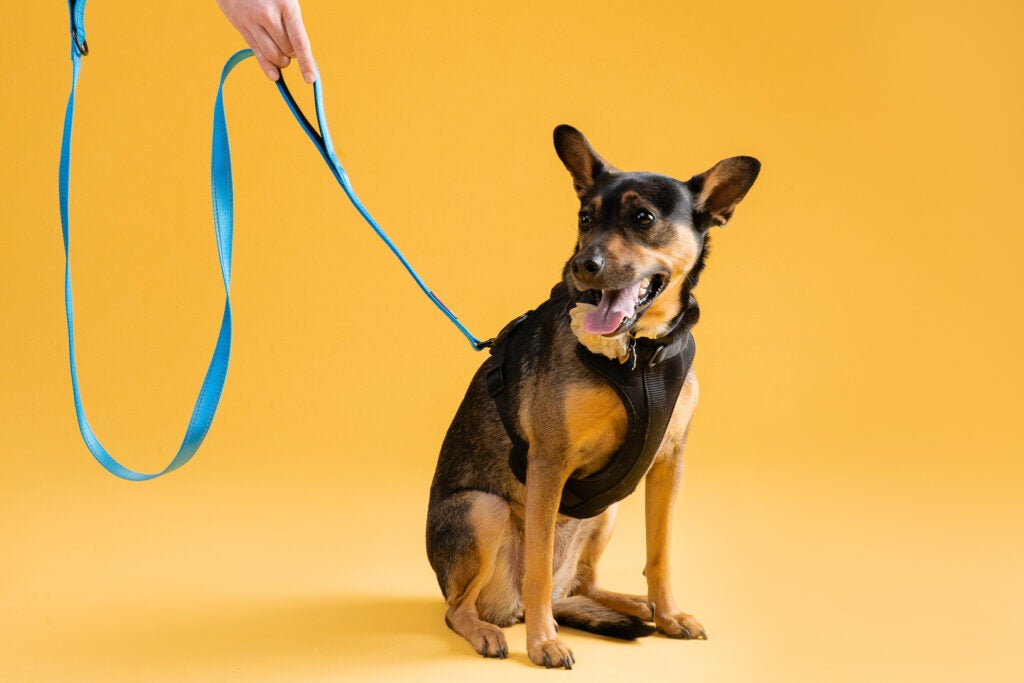
Constructed from dry-treated climbing rope, this is likely the last leash you will ever buy. The use of a locking carabiner attachment ensures that the dog cannot accidentally unhook itself while scrambling over rocks.
- Pros: Near-indestructible; lifetime warranty includes chewing.
- Cons: No internal bungee for shock absorption.
- Tech Specs: 5ft length; 11mm climbing rope.
Black Rhino Heavy Duty
When navigating busy trailheads, a double handle dog leashes for extra control on busy trailheads is a game-changer. The Black Rhino features a secondary traffic handle located just 12 inches from the collar, allowing you to pull your dog close when passing other hikers or wildlife.
- Pros: Soft neoprene handles; very thick nylon.
- Cons: Too heavy for long-distance backpacking.
- Tech Specs: Dual handles; weather-resistant nylon.
Mighty Paw Bungee Leash
If you have a large dog that pulls, a heavy duty bungee leashes for large dogs who pull can save your shoulders. This leash uses high-quality elastic that doesn't lose its "snap" over time and features an aviation-grade aluminum clip.
- Pros: Lightweight but incredibly strong; tactical look.
- Cons: Quick-release clip can be tricky with gloves.
- Tech Specs: Cross-stitched nylon; bungee core.
Expert Safety Tip: Always check your swivel hardware for grit after a hike. A small amount of sand can jam a spring-loaded clip, potentially leading to a leash failure when you least expect it.
Waterproof & Lightweight: Essential Tech for Long Distance
For thru-hikers on the PCT or AT, every ounce counts. Furthermore, a wet, smelly leash in a tent is a nightmare. This is where waterproof dog leashes for trails and ultralight dog leashes for long distance backpacking prove their worth.
Wilderdog Waterproof Leash
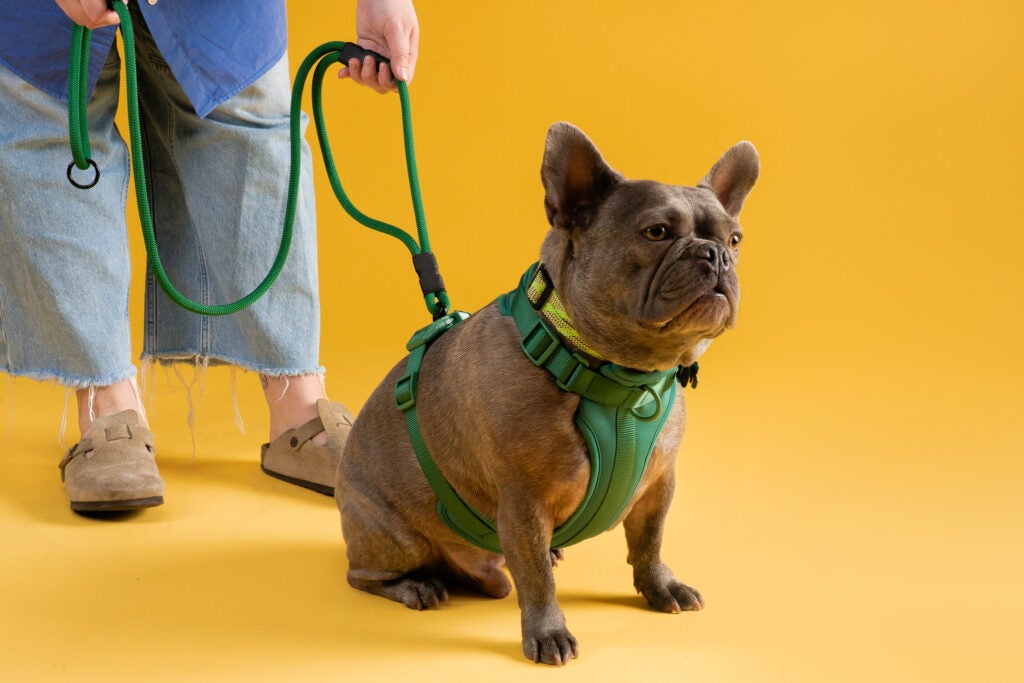
Made from a soft-molded PVC-coated polyester, this leash is completely impervious to water and dirt. It's the best waterproof dog leashes for muddy trail conditions because it can be cleaned with a simple wipe of a rag. No more "wet dog" smell lingering in your gear bag.
- Pros: Odor-proof; remains flexible in freezing temperatures.
- Cons: Surface can become a bit slippery when extremely wet.
- Tech Specs: 5ft length; 500lb pull strength.
PetSafe Hands-Free
This is the minimalist’s dream. It is an ultralight dog leashes for long distance backpacking that weighs almost nothing but provides the security needed for well-trained dogs.
- Pros: Extremely packable; very affordable.
- Cons: Not suitable for powerful pullers.
- Tech Specs: Thin nylon webbing; simple plastic buckle.
Blue-9 Multi-Function Leash
The polypropylene rope used in this leash makes it float and dry quickly. It’s also a durable rope leashes for rocky terrain and scrambling because it resists snagging better than standard nylon. You can clip it into six different configurations, including over-the-shoulder or as a temporary tether.
- Pros: Versatile; lightweight; floats in water.
- Cons: Rope can be thin on the hands if the dog pulls hard.
- Tech Specs: 6ft total length; multi-point clips.
Buyer’s Guide: Choosing Your Backcountry Connection
Selecting the best dog leashes for your specific needs involves understanding the trade-offs between weight, durability, and control.
Material Science
- Climbing Rope: Best for durability. It handles abrasion from rocks better than anything else. Look for dry-treated ropes if you hike in wet climates to keep the weight down.
- Biothane/PVC: Best for hygiene. If your dog loves mud, these are non-negotiable.
- High-Tensile Webbing: Offers the best strength-to-weight ratio and often includes reflective stitching for low-light safety.
Hardware Comparisons
Standard swivel bolt snaps are easy to use but can be vulnerable to dirt. A locking carabiner attachment is the gold standard for backcountry safety, as it prevents the clip from accidentally opening if the leash twists against the dog’s harness.
Trail Etiquette and Control
Even on off-leash friendly trails, having a leash with a traffic handle is vital. Good trailhead etiquette involves keeping your dog close until you are well away from the parking lot and other trail users. A 6-foot leash is generally the sweet spot; it gives the dog room to sniff but allows for immediate recall training reinforcement when another hiker approaches.
FAQ
What is the best type of leash for a dog that pulls?
The best leash for a puller is one that incorporates a bungee core or shock-absorbing webbing. These designs dampen the initial jar of a lunge, protecting both the dog's neck and the handler's arm. Additionally, look for a leash with a secondary traffic handle near the collar clip to provide maximum leverage and close-range control during high-distraction moments on the trail.
How long should a standard dog leash be?
For hiking, a 5 to 6-foot leash is standard. This length provides enough slack for the dog to navigate obstacles and find their footing on uneven terrain without being so long that the leash constantly drags in the mud or tangles in underbrush. Shorter leashes (4 feet) are better for high-traffic areas, while longer leashes (10+ feet) should only be used in open, technical-free environments.
What is the strongest leash for a powerful dog?
The strongest leashes are those made from mountaineering-grade climbing rope or double-thick nylon webbing paired with a locking carabiner. These materials have far higher webbing tensile strength than standard pet store leads. Look for products that feature reinforced stitching or "box-stitching" at the stress points and hardware rated for hundreds of pounds of force.
Are bungee leashes good for dogs that lunge?
Yes, bungee leashes are excellent for lunging dogs because they act as a "soft brake." Instead of an abrupt, painful stop that can cause spinal injury or lead to the handler losing their grip, the elastic core gradually increases resistance. This helps redirect the dog's momentum more safely on technical trails.
What are the benefits of using a hands-free dog leash?
A hands-free leash improves your hiking ergonomics by keeping your hands free for trekking poles, which are crucial for stability on steep grades. It also secures the dog to your waist—your strongest point of balance—preventing a sudden pull from jerking your arm or shoulder out of socket. Many hikers find that this setup allows for a more natural walking gait and less fatigue over long distances.