Our Top Picks
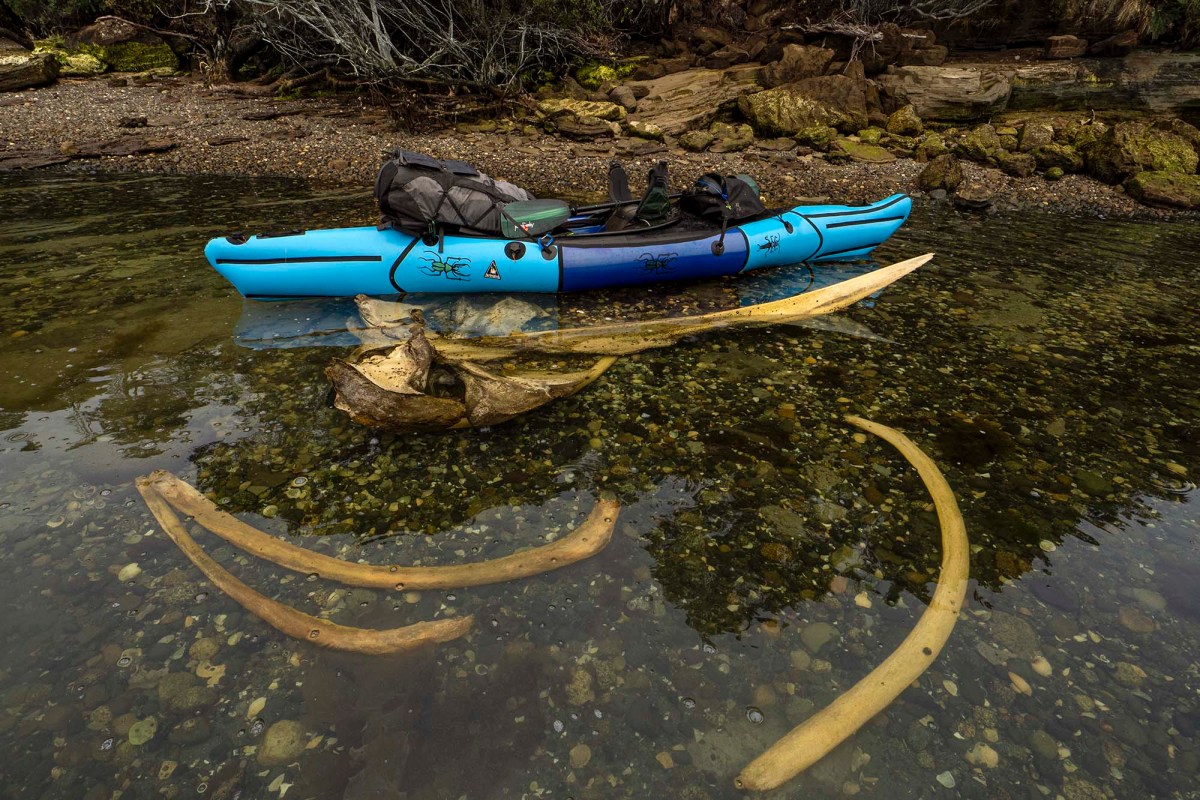
The Alpacka Aleutian is our definitive recommendation for paddlers who need the speed and tracking of a high-performance vessel without the logistical burden of a hardshell boat. It stands alone as the premier ultra-lightweight inflatable sea kayak specifically engineered for remote coastal travel and multi-day amphibious adventures.
The Alpacka Aleutian is an ultra-lightweight watercraft that combines the portability of a packraft with the performance features of a traditional inflatable sea kayak. Weighing just 12 pounds, it utilizes an elongated hull, structural baffling, and a removable skeg to optimize tracking and speed for coastal exploration and flatwater cruising.
Quick Facts
- Weight: 12 lbs (vs. 28-32 lbs for folding models)
- Price: $2,150
- Tracking: Advanced via removable skeg and elongated hull
- Primary Use: Coastal touring and multi-day remote expeditions
- Weight Limit: Over 300 lbs including gear
- Storage: Integrated Cargo Fly internal gear storage system
- Design Origin: Tested on a 4,000-mile Pacific traverse
The Alpacka Aleutian represents a new era for the inflatable sea kayak, offering a 12-pound solution that maintains the tracking and speed needed for open water while fitting inside a backpack. This shift in design moves away from the traditional wide, slow packraft profile toward a sleek, performance-oriented hull that allows for unprecedented backcountry accessibility.
Engineering Rigidity: Performance in Choppy Water
Inflatable watercraft historically struggled with the "banana effect"—an inefficient flexing of the hull when hitting waves. The Aleutian solves this through structural baffling and high-pressure inflation. Unlike standard packrafts that use low-pressure inflation bags, achieving peak inflatable kayak performance in choppy water requires a dedicated high-pressure pump to reach a higher PSI. This creates a rigid platform that slices through swells rather than bending over them.
The hull integrity is further reinforced by a specialized baffle design that mimics the structural ribs of a hardshell sea kayak. This 12-pound inflatable sea kayak packraft was effectively battle-tested during a seminal 4,000-mile human-powered expedition from Seattle to the Aleutian Islands. During this journey, the team relied on the boat's hull rigidity to navigate ocean crossings of up to six miles.
To maintain ultimate control in rolling seas, the Aleutian can be equipped with 4-point thigh strap attachments. These straps allow the paddler to engage their lower body, providing the edge-to-edge control necessary for maritime safety. Knowing how to maintain inflatable kayak stiffness in choppy coastal water is as simple as monitoring the pressure after the boat hits the cold water—a quick top-off with a hand pump ensures the baffles remain rock-hard against the pressure of the tide.
The Tracking Revolution: Elongated Hulls and Skegs
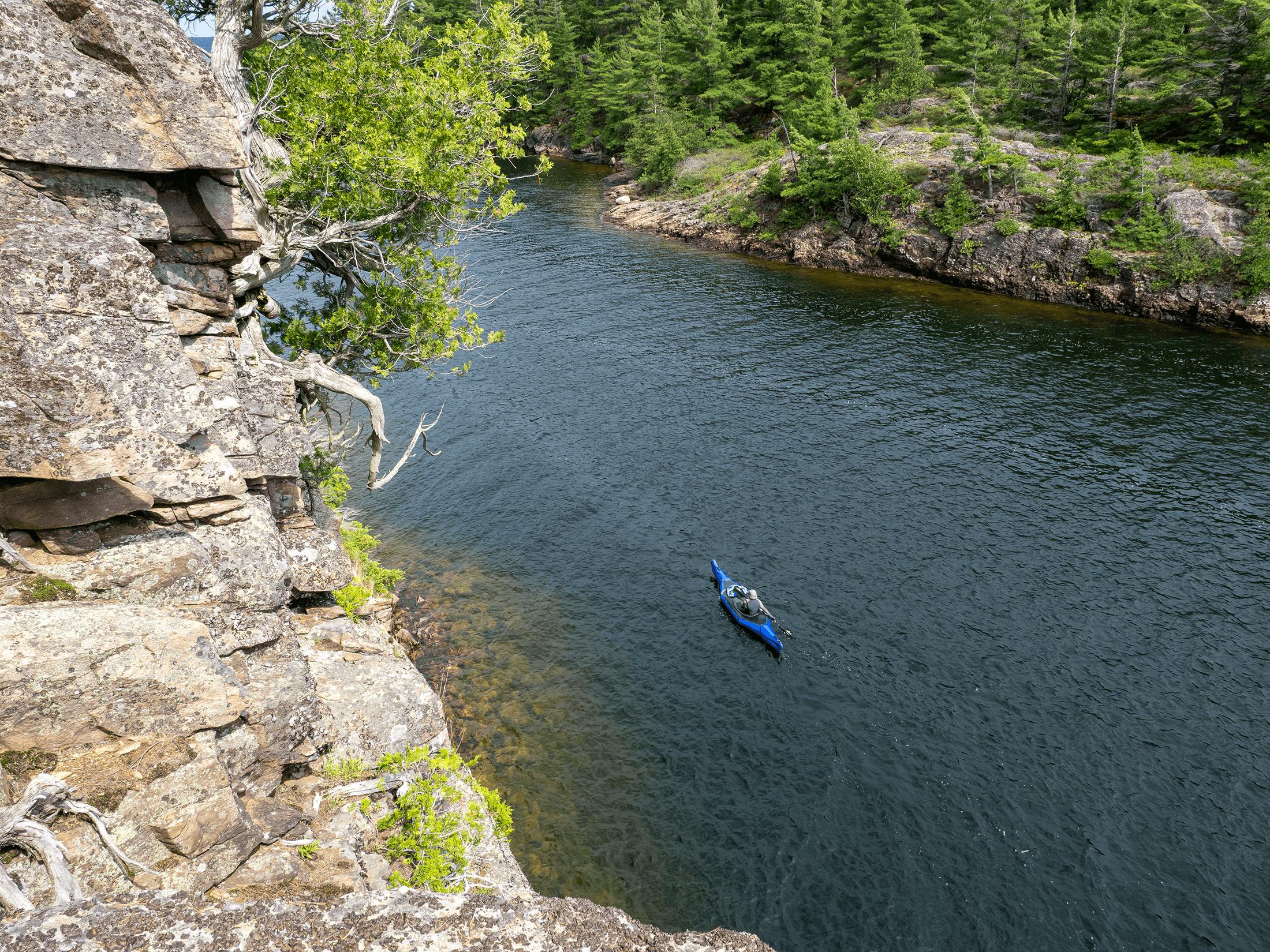
The most significant hurdle for portable boats has always been speed. A standard packraft typically tops out at a sluggish 2 miles per hour, making it difficult to fight headwinds or cover long coastal distances. The Aleutian changes the math. By stretching the hull into an elongated silhouette, Alpacka has increased the waterline, which translates directly into a higher flatwater cruising speed.
The inclusion of a removable skeg is a game-changer for inflatable sea kayak tracking and stability in windy conditions. Without a skeg, lightweight boats tend to "weathercock," or spin into the wind, forcing the paddler to waste energy on corrective strokes. The Aleutian's skeg acts as an underwater keel, keeping the boat locked on a straight line even in crosswinds.
Expert Insight: Speed transforms your safety margin. Being able to maintain a consistent 3.5 to 4 mph allows you to clear exposed headlands before the afternoon winds pick up, making this arguably the best packraft for flatwater speed and coastal touring available today.
For those venturing into colder or more volatile environments, the boat features spray skirt compatibility. An integrated cockpit rim allows the use of a traditional neoprene skirt, keeping the interior dry and warm while providing an extra layer of open water stability.
Portability vs. Performance: The 12-Pound Advantage
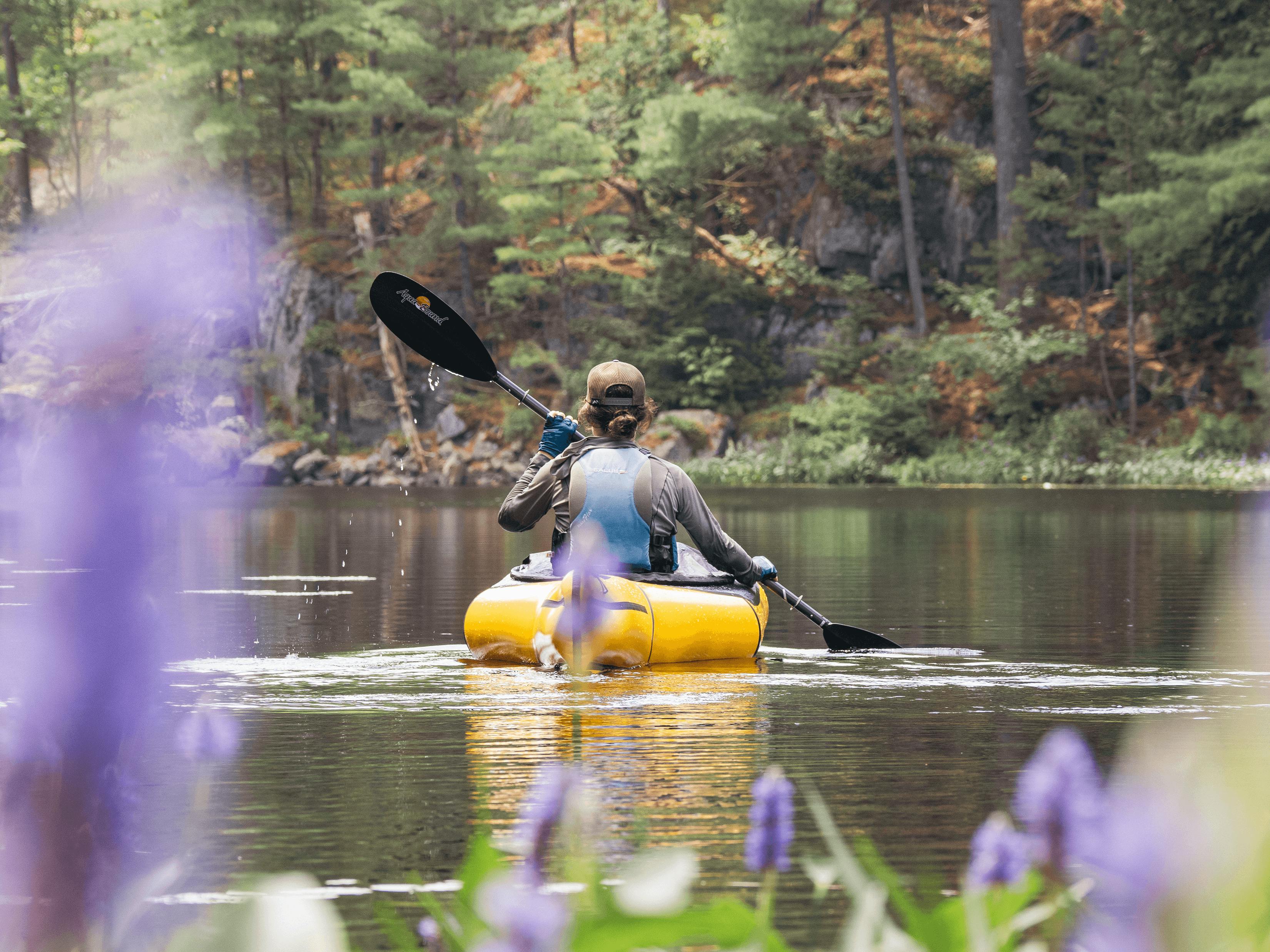
When planning a remote expedition, every ounce counts. Traditionally, the choice was between a 50-pound hardshell (impossible to carry over mountains) or a 28-pound folding boat. The Aleutian creates a new category: the ultra-lightweight inflatable sea kayak for packrafting. At just 12 pounds, it can be rolled into the size of a two-person tent and stowed inside a rucksack.
This weight advantage facilitates a unique style of amphibious travel where a paddler can hike 20 miles into a remote fjord, paddle the coastline, and then hike out over a different mountain pass. This is a level of lightweight sea kayak for backcountry coastal access that was previously impossible.
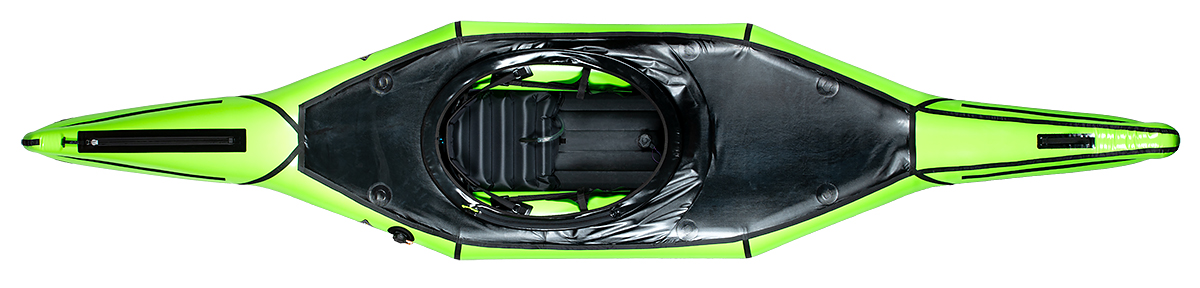
To handle the gear requirements of remote expeditions, the Aleutian utilizes a Cargo Fly system. This airtight zipper in the stern allows you to store dry bags, tents, and food directly inside the tubes. Not only does internal gear storage for inflatable touring kayaks keep your kit dry, but it also lowers the center of gravity, significantly improving the boat's handling in waves.
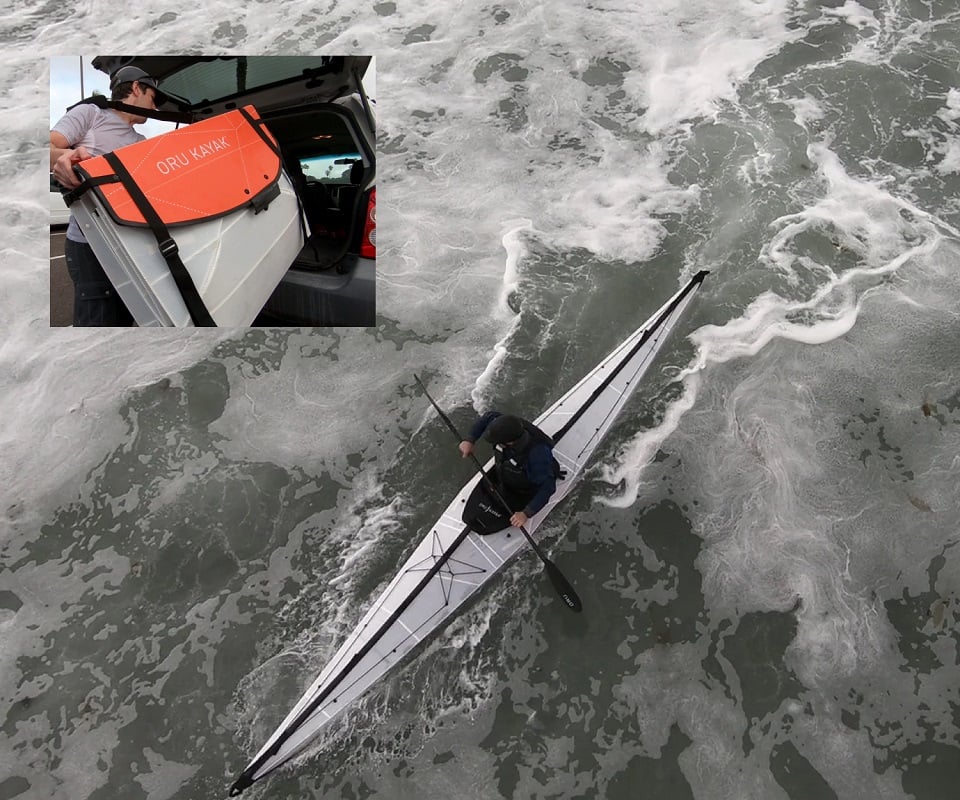
| Feature | Alpacka Aleutian | Oru Coast XT | Advanced Elements Expedition |
|---|---|---|---|
| Weight | 12 lbs | 32 lbs | 52 lbs |
| Folded Size | Large sleeping bag | Large suitcase | XXL Duffel |
| Set-up Time | 8 minutes | 10-15 minutes | 15 minutes |
| Price | $2,150 | $2,499 | $1,100 |
This 10-year design project has culminated in a vessel that provides coastal touring inflatable kayak performance with fraction of the weight of its closest competitors.
Coastal Care: Saltwater and UV Long-Term Maintenance
Saltwater is the enemy of hardware, but the Aleutian’s construction is built to endure. The boat uses high-tenacity TPU-coated nylon, which is more resistant to the abrasive nature of coastal barnacles and rock than standard PVC found on cheaper models. However, longevity requires a specific maintenance routine.
- Rinse Immediately: Salt crystals can act like sandpaper on the airtight zipper and valve seals. Always flush the boat with fresh water after a marine trip.
- Valve Lubrication: Keep the inflation valves and Cargo Fly zipper lubricated with the manufacturer-recommended silicone grease to prevent salt buildup from seizing the mechanisms.
- Dry Before Storage: Never roll up a damp boat for long-term storage, as this can lead to mildew and delamination.
Pro Tip: The sun is as damaging as the sea. Apply a coat of 303 Aerospace Protectant once a month to prevent UV degradation. This creates a sacrificial layer that protects the TPU from becoming brittle under the intense coastal sun.
FAQ
Are inflatable kayaks safe for ocean use?
High-quality inflatable kayaks like the Aleutian are remarkably safe for ocean use because they contain multiple air chambers and are virtually unsinkable. Their inherent buoyancy allows them to float even if the cockpit is flooded. However, safety depends heavily on the model's design; you must use a boat with sufficient rigidity and tracking capabilities to handle tides and currents.
How do inflatable kayaks handle waves and windy conditions?
Performance in these conditions varies wildly between models. Standard wide-bodied inflatables tend to catch the wind and struggle to move forward. Modern designs with an elongated hull and a removable skeg are much more effective at maintaining a straight course in crosswinds. Staying safe in waves requires a rigid hull that doesn't buckle, which is achieved through high-pressure inflation.
Are inflatable sea kayaks as fast as hardshell kayaks?
Generally, a hardshell sea kayak will always be faster due to its narrower beam and smoother surface. However, the gap is closing. Modern performance inflatables can maintain a cruising speed of 3 to 4 mph, which is sufficient for most coastal touring needs. While you might not win a race against a 17-foot fiberglass boat, the difference is negligible for expedition-style travel.
How stable are inflatable kayaks in open water?
Inflatables are often more stable than hardshells because they have a wider base and the buoyancy is distributed along the outer edges of the boat. This makes them very difficult to flip. In open water, this primary stability gives the paddler confidence when dealing with unpredictable "clapotis" or refracting waves near cliffs.
Do inflatable kayaks need a skeg or rudder for sea paddling?
A skeg is almost mandatory for sea paddling in a lightweight boat. Because inflatables sit high on the water and weigh very little, they are susceptible to being pushed off course by the wind. A skeg provides the necessary lateral resistance to keep the boat tracking straight, reducing the physical strain on the paddler during long crossings.
Can you use an inflatable kayak in salt water?
Yes, but it requires diligent care. Saltwater itself won't damage the TPU-coated nylon, but salt crystals can degrade valves, zippers, and metal components over time. As long as you perform a thorough freshwater rinse after each outing and maintain the seals with silicone lubricant, an inflatable kayak will last for many years in marine environments.