Quick Facts
- Primary Purpose: Enhances memory preservation and mindfulness through sensory observation on the trail.
- Recommended Gear: Use 3x5-inch ultralight notebooks combined with waterproof Sakura Micron pens.
- Core Strategy: Implement a 5-minute timebox method to prevent trail fatigue and keep the practice sustainable.
- Weight Metric: Efficient ultralight kits can weigh under 8oz, making them perfect for thru-hiking.
- Proven Benefit: Research shows a 15.5-minute increase in average weekly time spent in nature for those who journal.
- Key Event: Celebrated annually during International Nature Journaling Week from June 1-7.
Nature journaling for hikers is a mindfulness practice that combines sensory observation with sketching or writing to document outdoor experiences. It serves as a tool for memory preservation and ecological awareness, allowing hikers to anchor fleeting trail moments into vivid, long-term records.
Why Nature Journaling Changes the Trail Experience
We often hit the trail to unplug and recharge, but the sheer pace of a modern hike can sometimes leave our memories feeling like a blurred reel of green and brown. This is where mindful nature journaling on trail comes in. It acts as a cognitive anchor. When we stop to record the specific curve of a glacier-carved valley or the exact shade of a Sierra primrose, we aren't just making art; we are engaging in deep trail psychology that rewires how we perceive the wilderness.
The benefits aren't just anecdotal. According to a study on environmental education, 74% of participants reported that keeping a nature journal significantly increased their awareness of seasonal changes and environmental details. For us, this means the trail becomes a living textbook rather than just a path to a destination. Furthermore, the practice has a quantifying effect on our outdoor habits. Research indicates that the practice increased participants' average weekly time in nature by approximately 15.5 minutes.
If you are worried about the "time cost" of stopping, consider the mental health rewards. Scientific studies on nature therapy suggest that as little as five minutes of mindful journaling in a natural setting can reduce cortisol levels and lead to measurable physiological improvements in mental well-being. By slowing down for even five minutes, we find a grounding mental escape from the digital distractions that often follow us into the backcountry. It’s a way of using a nature journal for memory retention on long hikes while simultaneously lowering our stress levels.
The Frictionless Gear Kit: Lightweight Art Supplies
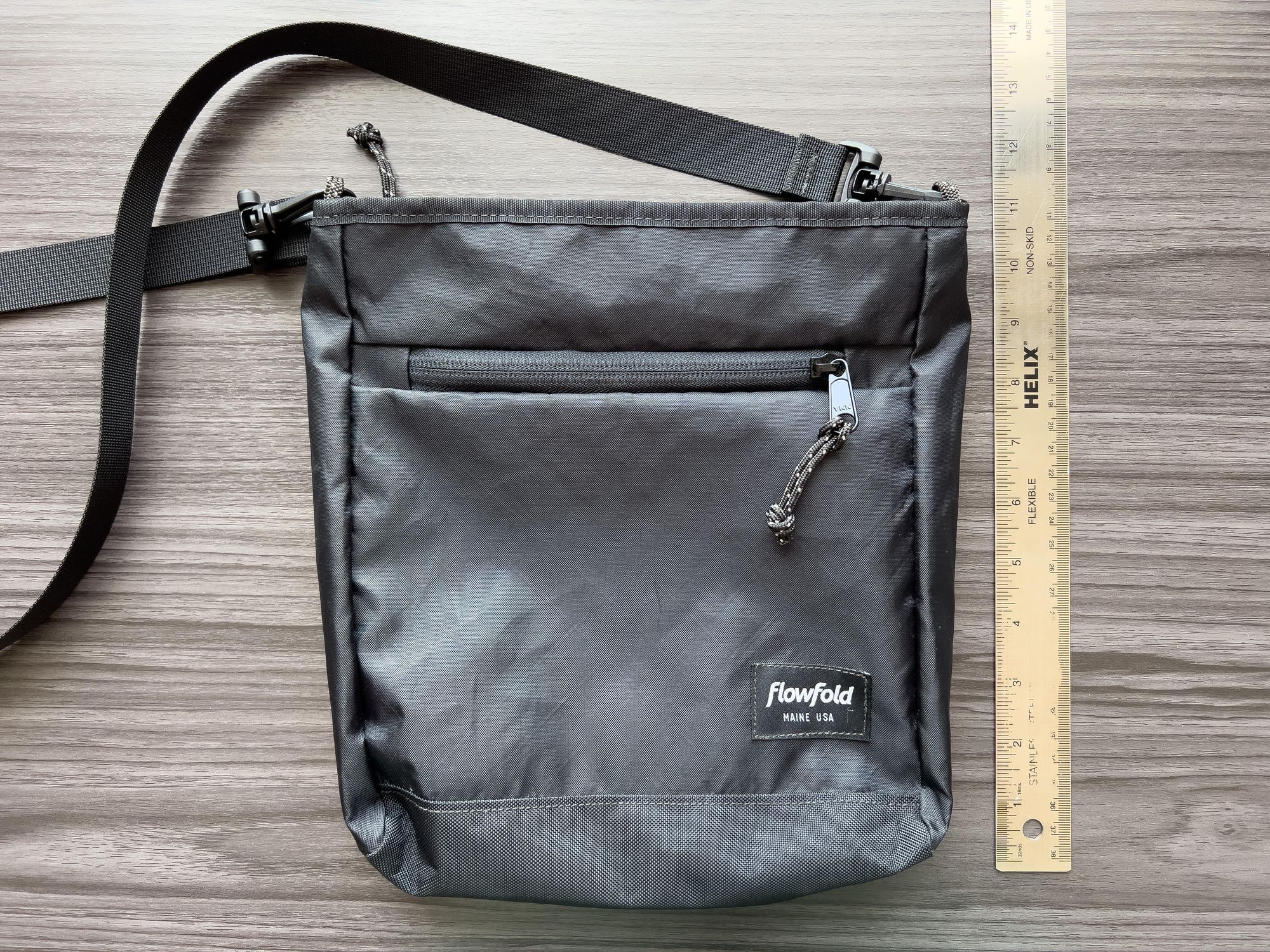
One of the biggest hurdles for any backpacker is weight. We obsess over every ounce, so the idea of carrying an "art kit" can feel counterintuitive. However, the modern market for lightweight hiking art supplies has evolved to be incredibly pack-friendly. The secret to success is the Two-Bag Strategy. We keep our core journal and pen in a small, accessible crossbody bag or a hip-belt pocket, while heavier color supplies live in the main pack for longer breaks or camp.
For those curious about minimizing hiking journal weight for thru-hikers, the answer lies in miniaturization. A 3x5-inch pocket-sized notebooks selection is often sufficient. If you expect rain, waterproof adventure journaling solutions for hikers, such as Rite in the Rain paper, are essential.
Here is a comparison of how we might structure our kits based on the length of the trip:
| Item | Day Hike Kit | Thru-Hike/Backpacking Kit |
|---|---|---|
| Journal | 5x8 Softcover sketchbook | 3x5 Ultralight or Rite in the Rain |
| Pen | Sakura Micron (05) and Pencil | Single Sakura Micron (01 or 03) |
| Color | Full 12-pan watercolor tin | Viviva Colorsheets (paper-thin) |
| Water Source | Standard water bottle | Water brush with internal reservoir |
| Protection | Padded pouch | Single gallon-sized Ziploc bag |
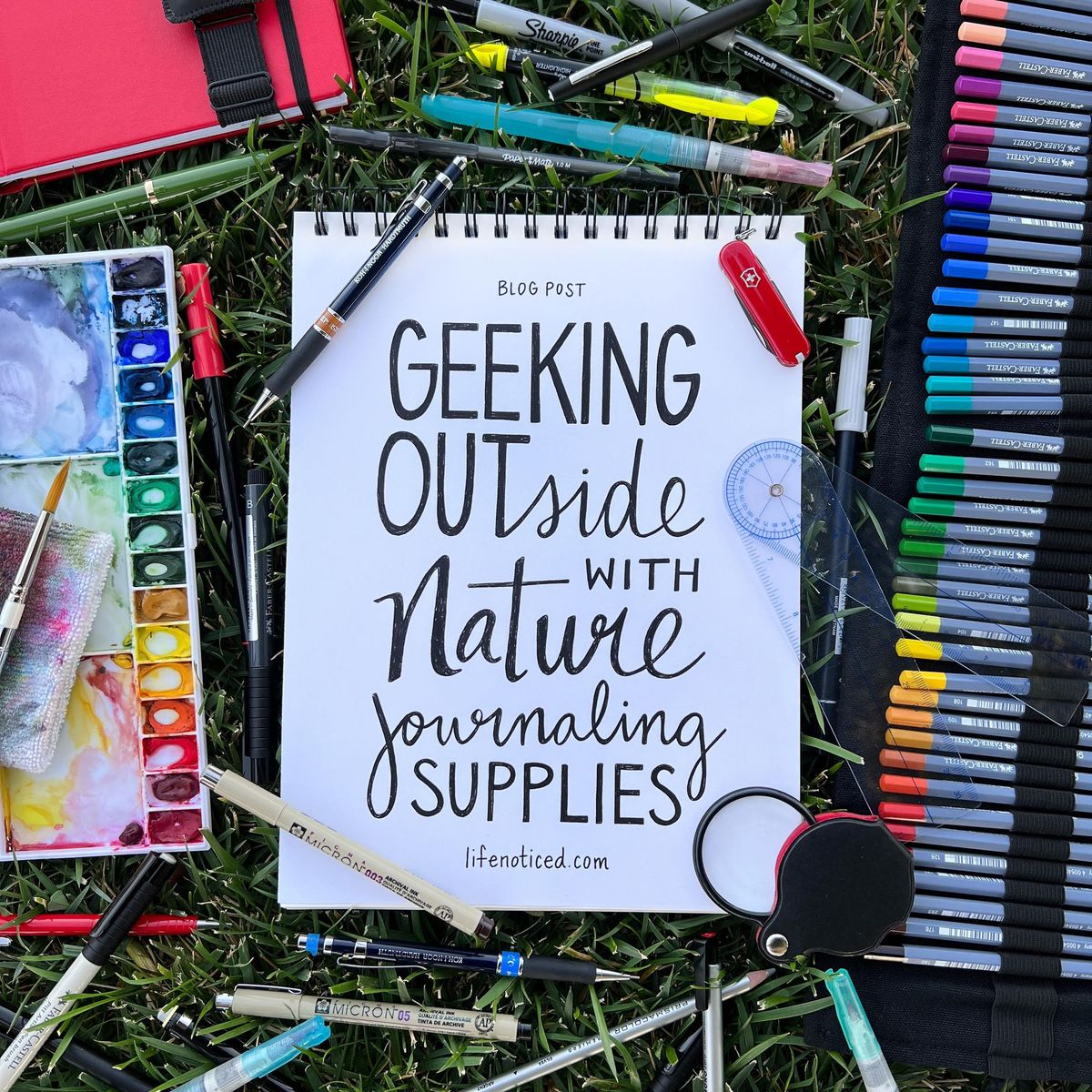
When looking for the best lightweight nature journaling supplies for hiking, focus on tools like the water brush. This eliminates the need for an open water container, which is prone to spilling on your work. For color, consider a split-primary palette—six small wells containing a warm and cool version of each primary color. This gives you the maximum mixing range for the minimum weight.
Field Survival Hack: The Sock-Dabber Instead of carrying paper towels to dry your brushes, use an old, clean hiking sock pulled over your non-dominant hand. It acts as a perfect "dabber" for watercolor and can be washed easily when you return from the trail.
Nature Journaling Techniques for Beginners (Non-Artists Welcome)
Many hikers hesitate because they feel they aren't "artists." We need to shift that mindset: nature journaling for hikers is about observation, not fine art. If you can draw a circle, a triangle, and a square, you have all the skills needed for field sketching.
To prevent the practice from becoming a chore, we recommend the 5-Minute Timer strategy. When you see something interesting—a weird fungus, a dramatic peak, or a specific bird—set a timer for five minutes. This creates a low-pressure environment where you focus on capturing the essence rather than the perfection. Use beginner sketching techniques for nature journaling on trail like "contour drawing," where you keep your eye on the object and your pen moving without staring too hard at the paper.
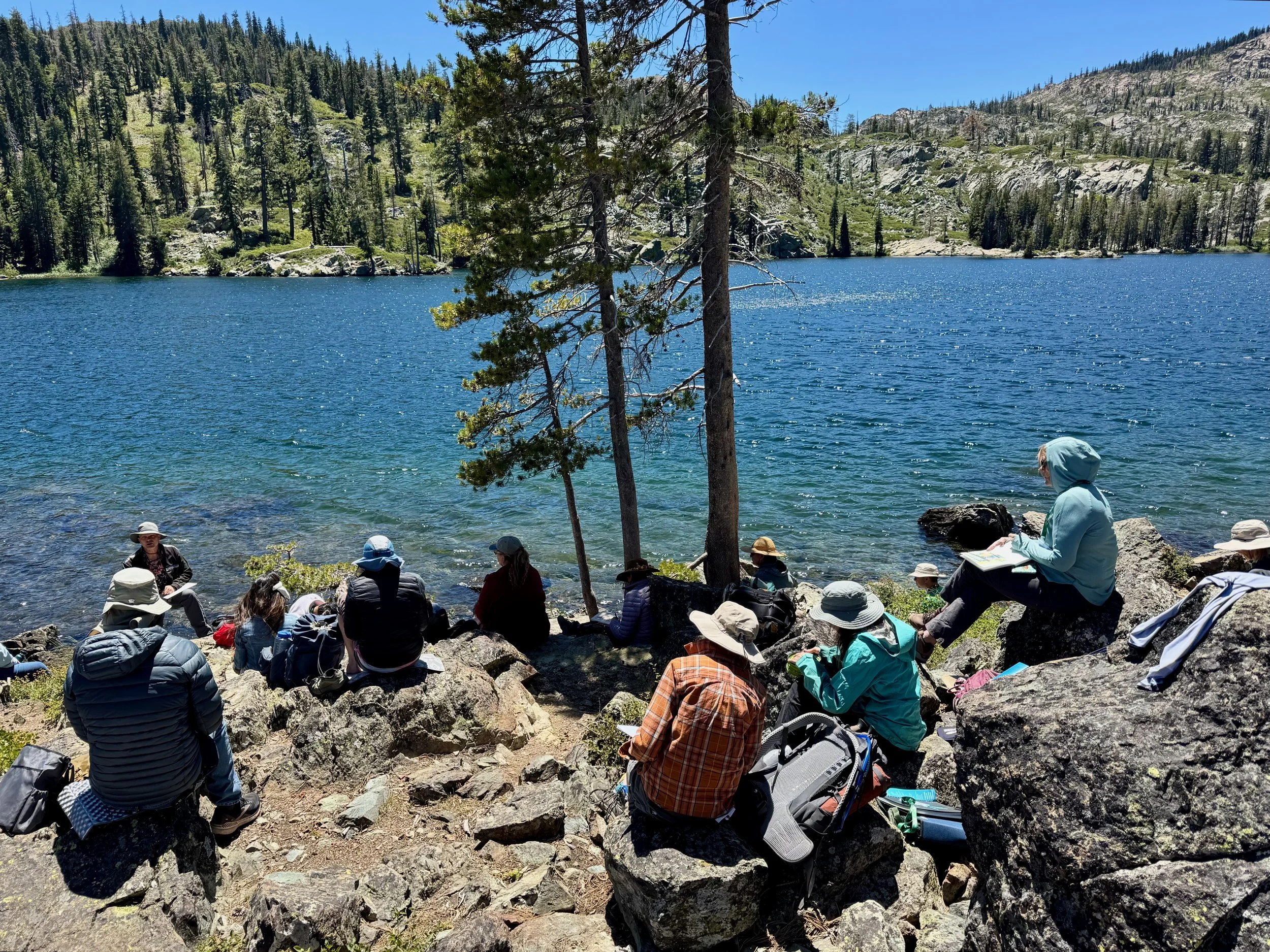
If you are still wondering how to start a nature journal for backpackers, try the "zoom out, zoom in" method. Spend two minutes sketching the broad mountain skyline (the zoom out) and three minutes detailing one leaf or rock at your feet (the zoom in). This provides a sense of scale and ecological awareness in your notes.
For digital-native hikers, digital nature journaling apps for hikers like iNaturalist or Evernote can work, but they often lack the analog reflection and creative mindfulness that comes with pen and paper. The tactile feel of a pen on paper helps in backcountry documentation in a way that a cold screen simply cannot.
The Sensory Framework: Daily Prompts & Layouts
To help you get started, we use a sensory framework to fill the pages. This ensures that even on "boring" sections of the trail, you have something to record. A standardized prompt set helps maintain a habit of mindful nature journaling on trail.
Try this Sensory Checklist for your next stop:
- See: What is the most dominant color in the 360-degree view?
- Hear: Close your eyes for 30 seconds. What is the furthest sound?
- Smell: Crush a leaf or a bit of soil. Is it sweet, damp, or sharp?
- Feel: Record the temperature or the texture of the bark next to you.
- Taste: Is the air dusty? Does your water have a mineral hint?
In terms of daily hiking journal prompts and layout ideas, don't just focus on the "pretty" things. Documentation of "Authentic Lows"—the grit in your teeth, the blister on your heel, or the way the rain feels like needles—actually makes for much better stories later. Capturing these moments provides a more honest record of the trail experience.
When transitioning between different ecosystems, such as moving from a coastal forest to an alpine ridge, use your journal to note the changes. Does the tree height decrease? Does the wind pick up? These observations turn a simple walk into an act of scientific discovery.
FAQ
What is nature journaling for hikers?
Nature journaling for hikers is the practice of recording observations of the natural world through writing, sketching, and data collection while on the trail. Unlike a travel diary that focuses solely on personal feelings, a nature journal focuses on the environment, helping us notice plants, animals, and weather patterns more deeply.
How do you start nature journaling while hiking?
The best way to start is to simplify your expectations. Pack a small notebook and a single pen. During your next hike, commit to stopping once for just five minutes. Use that time to record one thing you see and one thing you hear. Focus on being present in the moment rather than creating a masterpiece.
What are the best supplies for lightweight nature journaling?
A great lightweight kit includes a 3x5-inch notebook, a waterproof fine-liner like a Sakura Micron, and a water brush. For color, look for "paint sheets" which are incredibly light. Keeping everything in a small Ziploc bag or a dedicated hip-pouch ensures your supplies stay dry and accessible.
What should I write in a nature journal on a hike?
You can record sensory details using the five-senses framework, note the date and weather conditions, or list the bird species you encounter. You might also want to write down your favorite moment of the day or describe a specific plant using "I wonder..." prompts to spark your curiosity about the ecosystem.
How do you keep a nature journal when backpacking?
Consistency is key when backpacking. Instead of trying to write several pages at once, aim for "snapshot entries" during water breaks or right after setting up camp. Focus on the highlights of the day and use shorthand or quick sketches to save energy, ensuring the practice remains a joy rather than a chore.