Quick Facts
- Top Pick for Ice: Oboz Bangtail with Vibram Arctic Grip
- Best for Extreme Cold: Oboz Bridger 400g Technical Boot
- Best for Light and Fast Trails: North Face Vectiv Fastpack
- Traction Standard: Vibram Arctic Grip provides three times the traction on wet ice compared to standard rubber.
- Insulation Guide: 200g for active hiking (10°F to 40°F); 400g for stationary or sub-zero conditions.
- Safety Stat: Slipping on ice or snow causes roughly 97% of all weather-related injuries.
- Market Trend: High-performance winter footwear is a growing priority for hikers, with the market expected to reach USD 17.9 billion by 2033.
Choosing the right winter hiking boots is the difference between a peak-bagging success and dangerous frostbite. For icy terrain, the best boots combine specialized rubber like Vibram Arctic Grip with deep lug patterns and thermal regulation. In this 2026 guide, we break down top-tested models for extreme cold and slick trails.
For icy terrain, the best winter hiking boots feature specialized rubber compounds like Vibram Arctic Grip or aggressive multi-directional lugs to maintain stability on slick surfaces. The Oboz Bangtail is a top choice for traction on glare ice, while the North Face Vectiv Fastpack offers a rocker midsole for propulsion on mixed winter trails. Ensure boots have a structured heel ridge to keep snowshoe straps secure and D-rings for attaching winter gaiters.
| Model | MSRP | Weight (Pair) | Insulation | Temp Rating (Activity) |
|---|---|---|---|---|
| Oboz Bangtail | $210 | 3 lbs 2 oz | 200g Primaloft | -10°F to 30°F |
| North Face Vectiv Fastpack | $175 | 2 lbs 4 oz | 200g Synthetic | 10°F to 40°F |
| Oboz Bridger 400g | $220 | 3 lbs 8 oz | 400g Thinsulate | -30°F to 10°F |
| Merrell Thermo Rogue 4 | $240 | 2 lbs 12 oz | 200g Primaloft | 0°F to 35°F |
Expert Recommendations: The Best Winter Hiking Boots for 2026
When the temperature drops and trails transform into frozen sheets of glass, your standard three-season footwear becomes a liability. The best winter hiking boots for 2026 reflect a massive leap in material science, focusing on keeping you upright on ice while managing the delicate balance of warmth and breathability. We have segmented these recommendations based on how you move through the winter landscape.
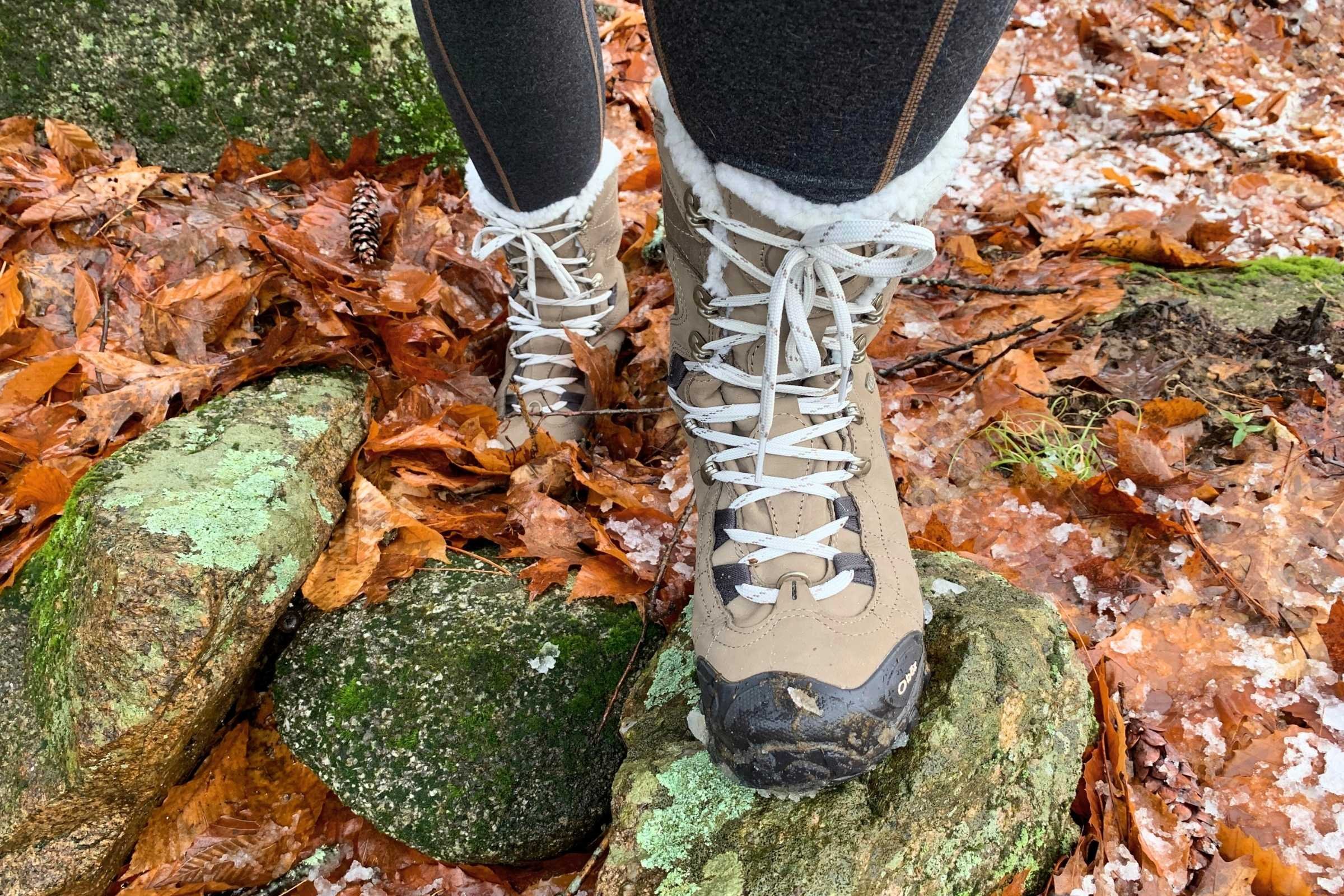
Oboz Bangtail: The Ice Specialist
If your primary concern is maintaining stability on frozen lake crossings or glazed granite, this is the gold standard. It features a specific lug pattern and depth designed to bite into soft snow while leveraging a specialized rubber compound for hard ice.
- Pros: Exceptional lateral stability, built-in gaiter attachment points, and a supportive heel.
- Cons: Heavier than athletic-style boots, requires a short break-in period.
- Compatibility: ✓ Snowshoes ✓ Microspikes ✓ Gaiters
North Face Vectiv Fastpack: The Agile Choice
For hikers who want lightweight agile winter hiking boots for mountain trails, the Vectiv Fastpack feels like a running shoe but performs like a winter tank. It uses a rocker midsole to help you roll through your stride, which reduces fatigue on long, snowy approaches.
- Pros: Extremely lightweight, waterproof breathable membranes keep feet dry during high-output activity.
- Cons: Less ankle support and mobility compared to stiff leather boots, 200g insulation may be too cool for slow groups.
- Compatibility: ✓ Microspikes ✓ Light Gaiters
Oboz Bridger 400g: The Deep Winter Explorer
When you are facing sub-freezing temperatures or slow-moving mountain bushwhacks, you need the extra thermal protection of a 400g technical boot. The Bridger is designed for those who won't let a sub-zero forecast stop their adventure.
- Pros: Incredible heat retention, high shaft height for deep snow protection, best women's winter boots for hiking in snow.
- Cons: Bulky footprint, can cause overheating if you are moving fast in 30°F weather.
- Compatibility: ✓ Snowshoes ✓ Crampons (Strap-on) ✓ Heavy Gaiters
The Traction Ecosystem: Dominating Icy Terrain
Traction on winter trails isn't just about big spikes. It is about a combination of chemical rubber compounds and physical geometry. According to the Centers for Disease Control and Prevention (CDC), approximately 97% of all weather-related injuries are caused by slipping on ice or snow. This highlights why your choice of winter boot traction and stability is the most important safety decision you will make.
Standard rubber gets hard and "glassy" when temperatures drop below freezing, losing its ability to grip. However, Vibram Arctic Grip technology is designed to provide up to three times the traction on wet ice compared to standard rubber soles and is tested to retain its performance for up to 250 miles.
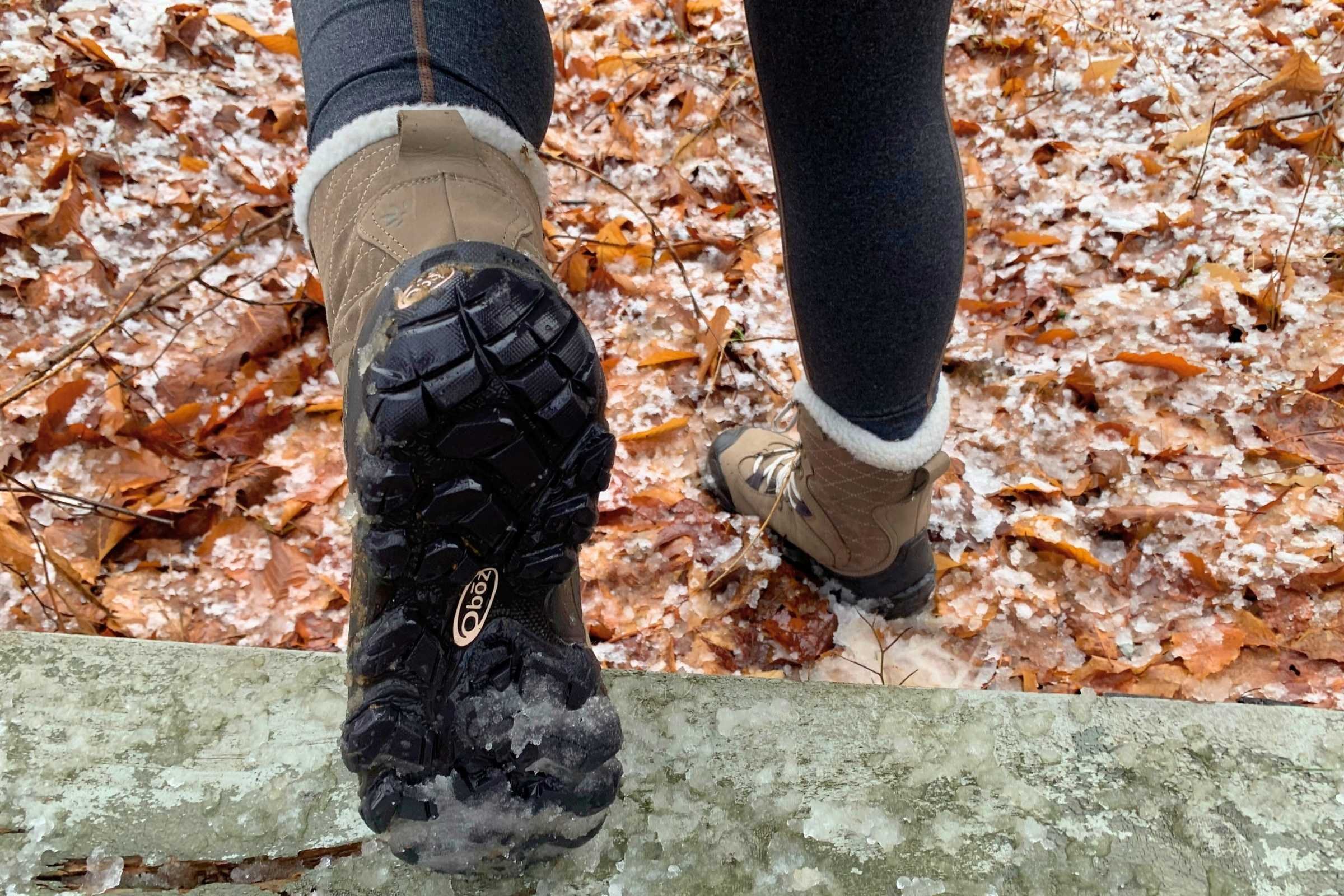
Physical lug pattern and depth also play a role. Multi-directional lugs act like teeth, biting into crunchy snow to prevent your foot from sliding backward during a climb or forward during a descent. For pure ice, look for boots that incorporate grit or specialized friction zones within the sole.
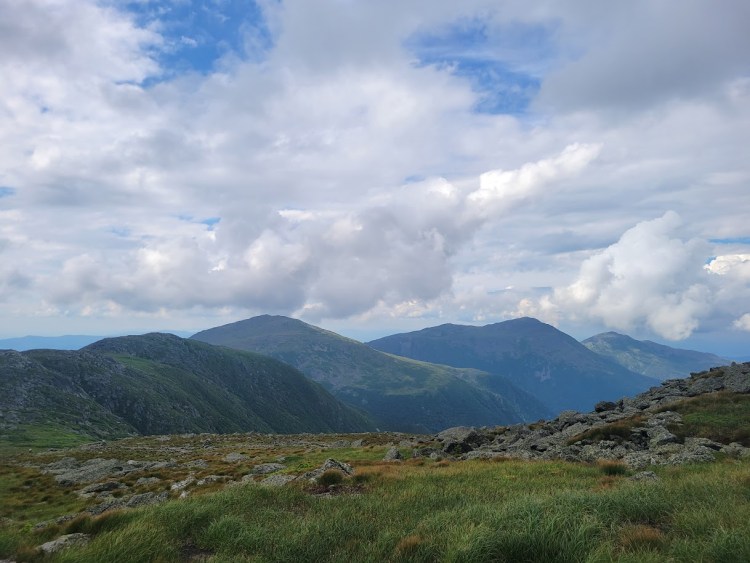
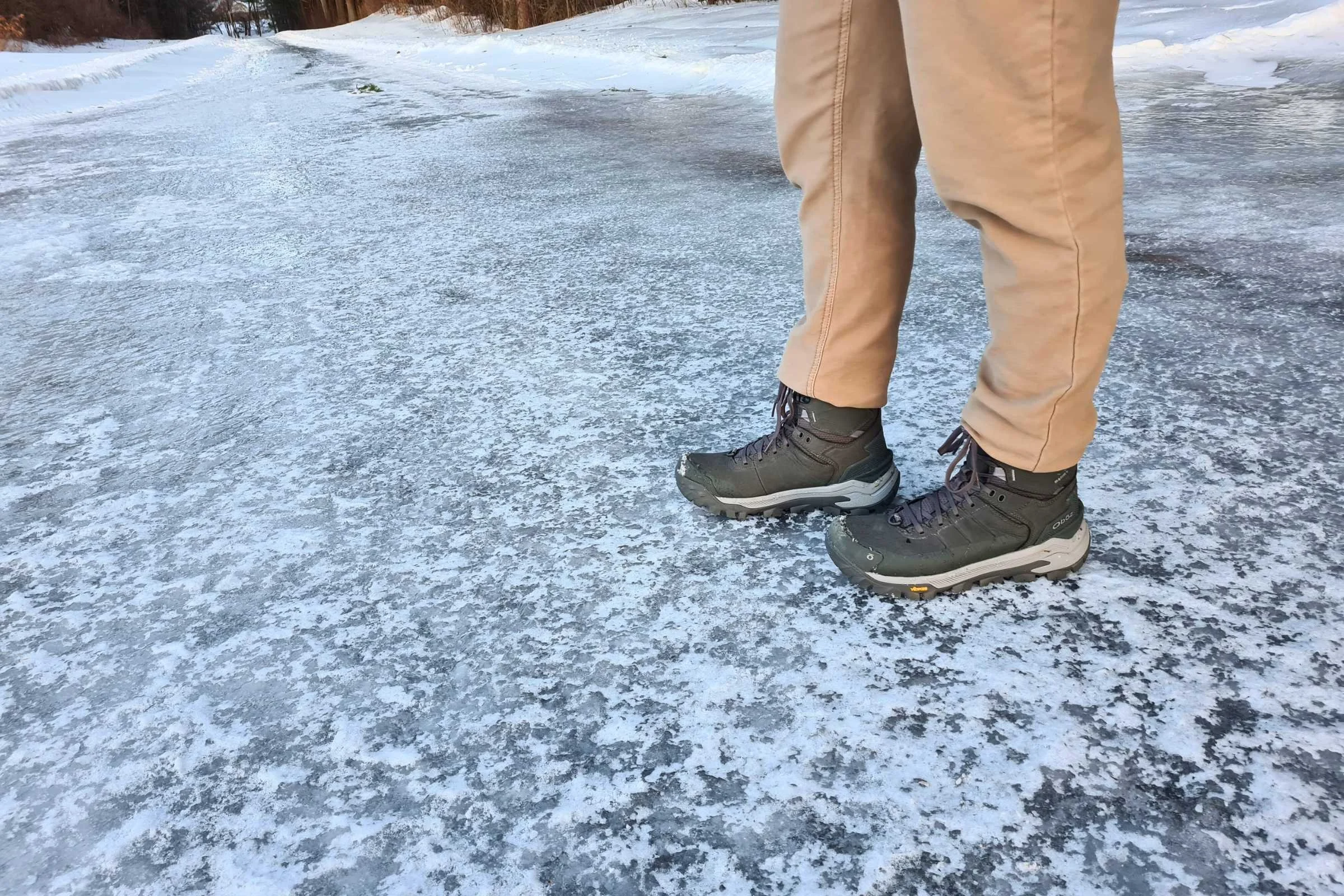
Field Notes: During testing on the glazed trails of Mount Washington, we found that boots without specialized cold-weather rubber felt like plastic skates. The Oboz Bangtail, by comparison, stayed soft and tacky, allowing for confident movement without constantly reaching for microspikes and ice cleats.
Insulation Breakdown: 200g vs. 400g Technical Guide
Thermal regulation is a science, not a guess. Selecting the right insulation level for insulated hiking boots for extreme cold depends on your activity level and the ambient temperature.
200g insulated boots typically utilize Primaloft insulation to offer warmth without excessive weight. These are generally suitable for active hiking in temperatures between 10°F and 40°F. If you are moving quickly, your body generates significant heat, and 200g allows enough breathability to prevent sweat buildup, which is the precursor to cold feet.
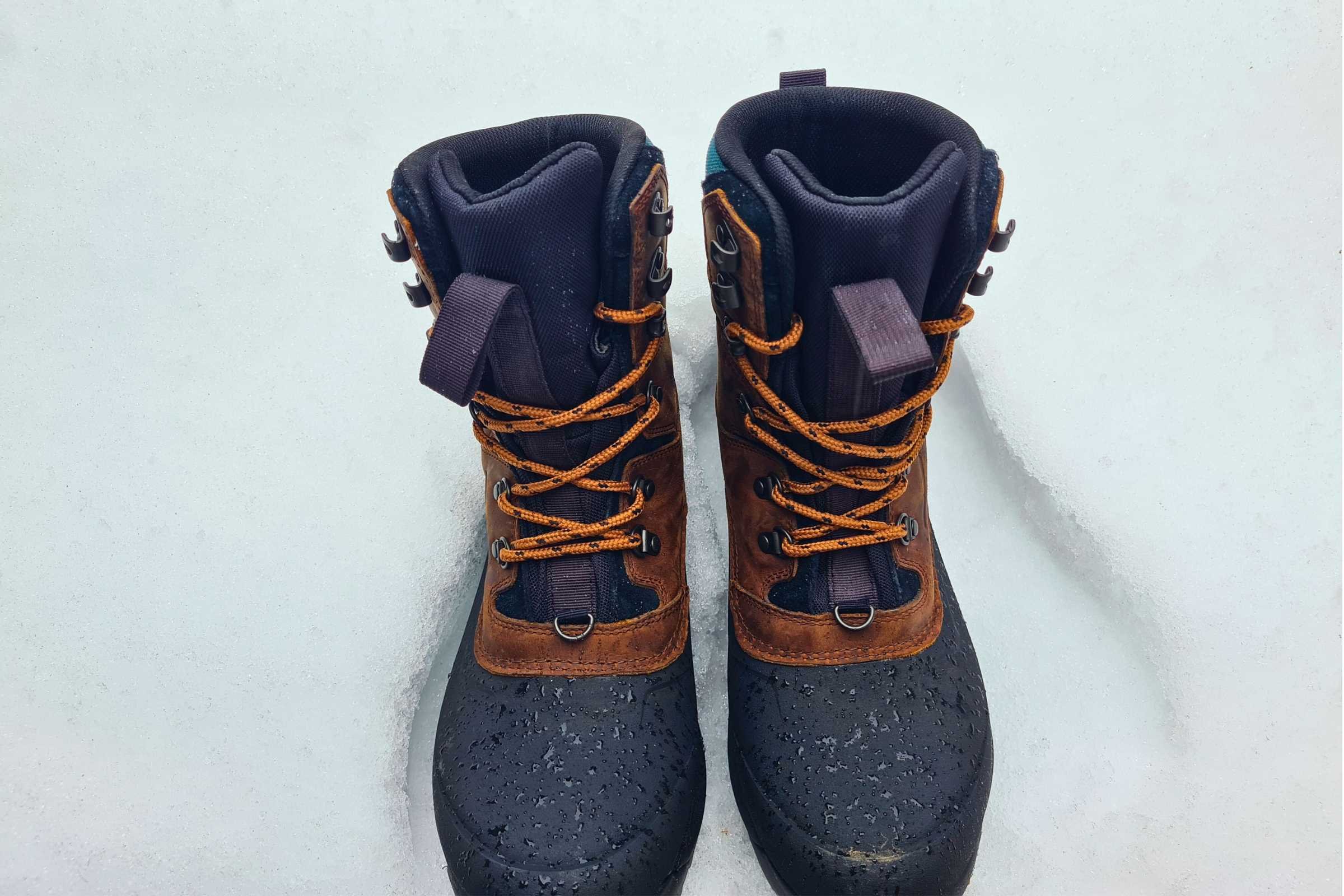
For extreme cold below 0°F, or if you plan on standing still for photography or long breaks, 400g boots like the Oboz Bridger offer superior thermal protection. Higher insulation levels help maintain circulation and prevent frostbite when stationary or in deep, sub-freezing snow. As the global winter footwear market expands, manufacturers are increasingly using aerogel and advanced synthetic fibers to achieve these ratings without the boots becoming impossibly heavy.
Hardware Compatibility: Snowshoes, Spikes, and Gaiters
Even the best winter hiking boots for icy terrain often need a little help from external gear. This is where hardware compatibility becomes critical. A winter boot should feature a structured heel ridge, which is a small TPU lip that prevents snowshoe bindings from sliding off your heel while you walk.
Additionally, winter hiking should involve gaiter attachment points. Look for a D-ring at the base of the laces to hook your gaiter and a sole shape that allows the under-boot strap to sit securely without being shredded by rocks.
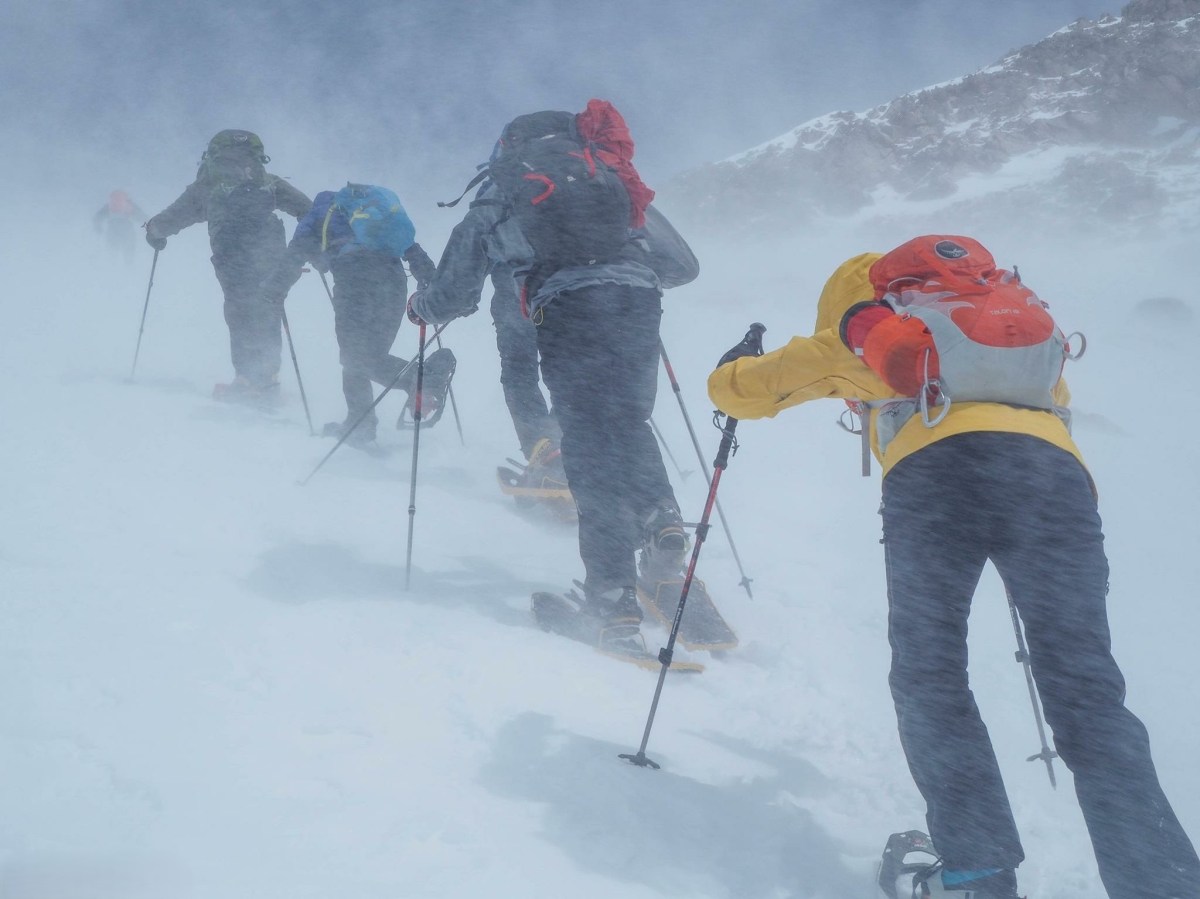
Comfortable hiking boots for snowshoeing and winter trails must provide a balance between a snug heel fit and adequate room in the toe box for thick wool socks. Proper fit is crucial to prevent compression from traction devices and snowshoes, which can restrict blood flow and lead to cold feet. Many experts suggest sizing up half a size for 400g boots to ensure enough space for thermal regulation while maintaining ankle stability for technical terrain.
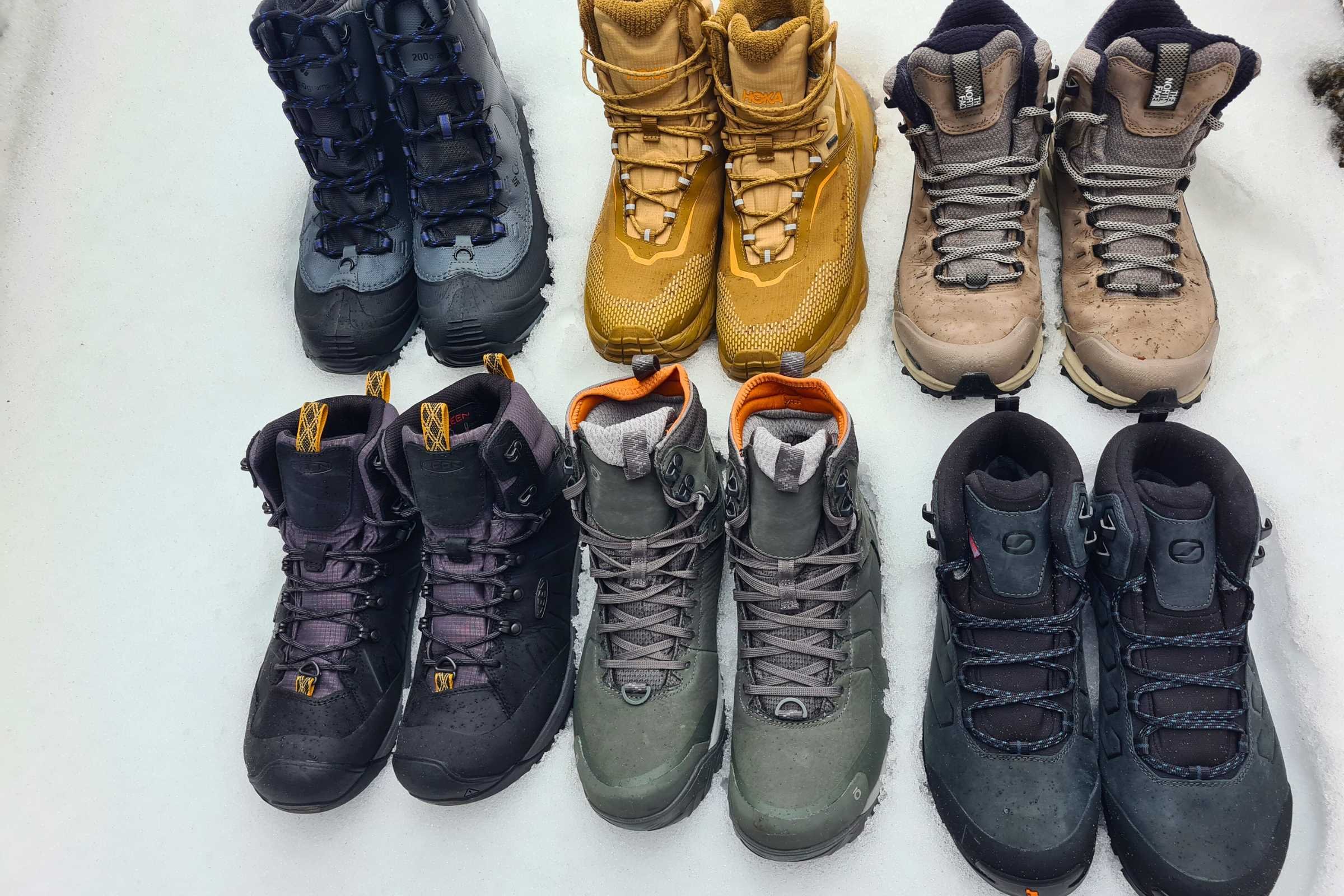
How We Test: Sub-Zero Field Performance
Our testing team doesn't just walk around the block. We take these winter hiking boots into the most punishing environments in North America. Our 2026 testing locations included the New Hampshire White Mountains during sub-freezing temperatures reaching -20°F and remote Alaska bushwhacking expeditions.
We track everything from moisture-wicking properties to how the waterproof breathable membranes hold up after 100 miles of slush and salt. Each boot is subjected to a "soak test" where it is submerged in icy water to ensure the seals are watertight, followed by rigorous mileage logs to check for sole wear and lug degradation.
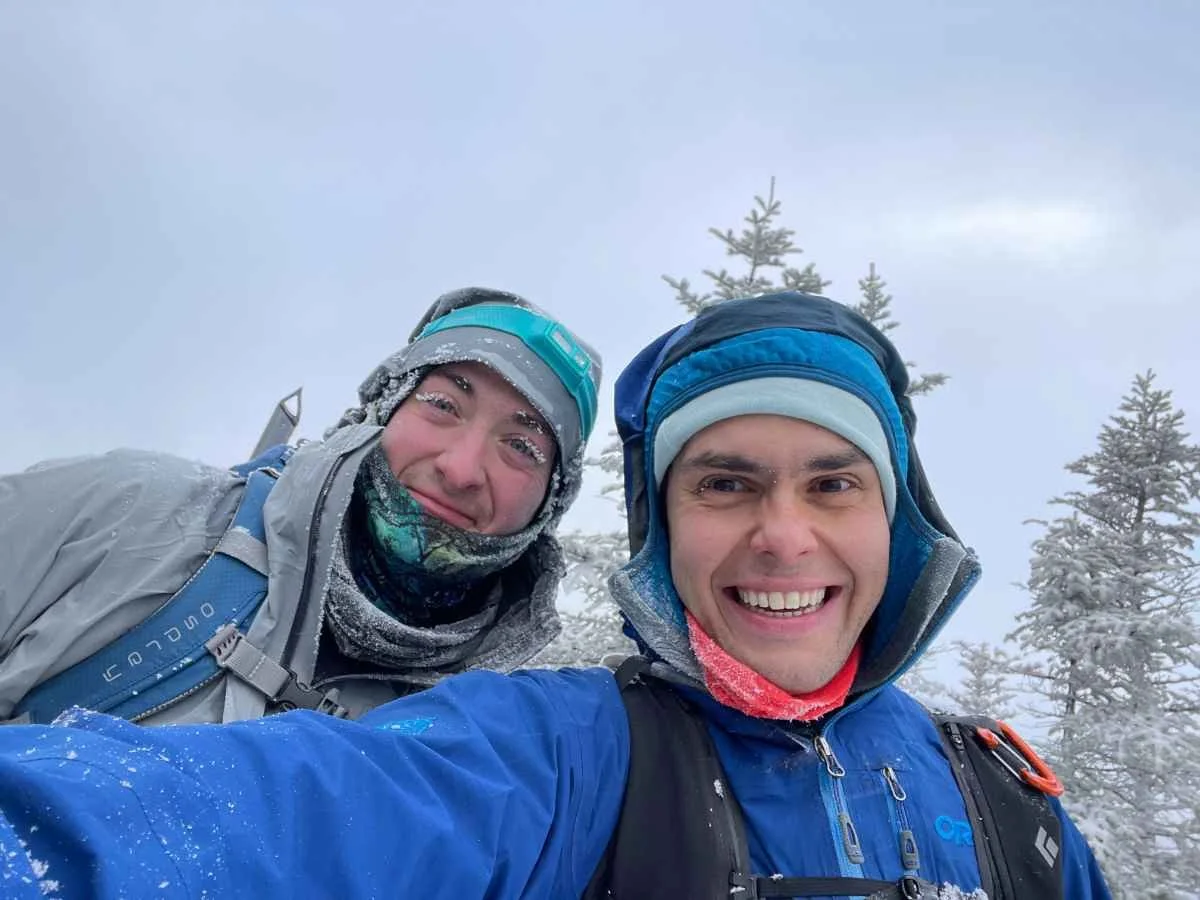
We specifically look for how well the boot maintains ankle support and mobility under the weight of a heavy pack. If a boot softens too much when wet, it ceases to protect your joints on uneven, frozen terrain.
FAQ
What is the difference between hiking boots and winter hiking boots?
Winter boots are built with specific features for cold environments that three-season boots lack. This includes specialized insulation (like Primaloft or Thinsulate), rubber compounds that remain soft in sub-freezing temperatures, and integrated hardware like gaiter D-rings and heel ridges for snowshoe bindings.
How many grams of insulation do I need for winter hiking boots?
It depends on your activity. 200g of insulation is ideal for high-output hiking in temperatures between 10°F and 40°F. If you are hiking in sub-zero conditions or spending a lot of time stationary, 400g of insulation is recommended to maintain blood flow and prevent frostbite.
Should I buy winter hiking boots a size larger for thick socks?
Most experts recommend sizing up by a half size. This accommodates thick wool socks without compressing your feet. Compression restricts blood flow, which is the most common cause of cold feet and numbness during winter treks.
Are winter hiking boots good for walking on ice?
Yes, especially if they are designed with specialized soles. Boots featuring Vibram Arctic Grip or aggressive multi-directional lugs provide significantly more stability than standard hiking boots. However, for pure glare ice on steep inclines, you should still supplement your boots with microspikes and ice cleats.
Can I use regular hiking boots for winter hiking?
While possible for short, dry walks in mild winter weather, it is not recommended for serious trails. Regular boots lack insulation and have rubber soles that harden in the cold, making them slippery and dangerous on ice. They also lack the waterproof breathable membranes needed to handle deep snow and slush.
Winter trails offer some of the most beautiful, serene experiences available to an outdoors enthusiast. By investing in the right insulated waterproof boots for extreme cold hiking and understanding the traction ecosystem, you ensure that your winter memories are about the views, not the bruises from a fall. Stay warm, stay upright, and we will see you on the summit.