Quick Facts
- Standard Lapse Rate: The ambient air temperature at high altitudes typically decreases by approximately 3.5 degrees Fahrenheit for every 1,000 feet of elevation gain.
- Baseline Rating: A 20°F (-6.6°C) sleeping bag is generally considered the mountain sweet spot for high-altitude three-season use.
- Minimum R-Value: Aim for a cumulative R-value of 4.5 or higher to prevent ground-conductive heat loss.
- Caloric Target: To generate sufficient internal heat, hikers should consume between 3,600 to 6,000 calories daily.
- Key Hack: Store your water filter and electronics inside your sleeping bag to prevent freezing and battery depletion.
| Gear Setup | Combined R-Value | Weight Range (oz) | Best Protection Level |
|---|---|---|---|
| Single Inflatable Pad | 3.0 - 4.2 | 12 - 18 | Summer Alpine / Mild Nights |
| Stacked System (CCF + Air) | 5.5 - 7.5 | 20 - 28 | High Altitude Shoulder Season |
| Extreme Winter System | 8.0+ | 30 - 45 | High Alpine Glaciers / Deep Winter |
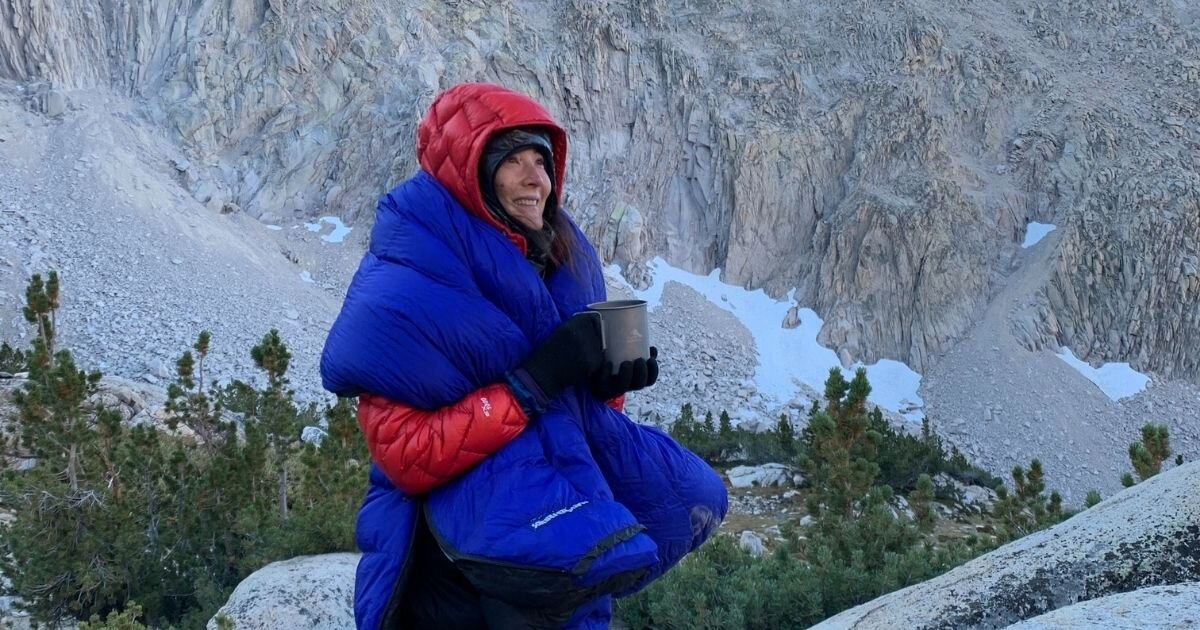
To stay warm camping at high altitudes, prioritize your sleep system's thermal efficiency by using high R-value sleeping pads or stacking a closed-cell foam pad beneath an inflatable one. Maintaining your basal metabolic rate through high-calorie nutrition is equally vital, as your body needs fuel to generate the consistent heat required to combat intense radiative cooling. High altitude camping gear selections, ranging from specialized insulation to extremity protection, form the critical barrier between you and the thinning, freezing alpine air.
1. Fuel Your Heat: Metabolic Thermoregulation
Staying warm in a tent begins long before you crawl into your sleeping bag. It starts with the internal furnace of your body. In the thin, alpine environment, your basal metabolic rate works overtime just to maintain basic functions. When the sun dips behind a ridge and the temperature plummets, your body relies on thermoregulation to keep your core temperature stable. This process is energy-intensive, and at high altitudes, the simple act of staying warm requires a significantly higher intake of fuel than a standard day hike.
Effective cold weather backpacking tips always start with nutrition. You cannot expect to stay warm if you are running on a caloric deficit. During a cold-weather expedition, your daily requirements can jump to a staggering 3,600 to 6,000 calories. The secret to a warm night is often found in your dinner bowl. Focus on high fat foods to stay warm while camping, as fats are slow-burning fuel sources that provide a steady release of energy throughout the long, dark hours of the night.
- The Olive Oil Trick: Add two tablespoons of olive oil to your dehydrated meal. It adds nearly 240 calories of pure fat that will keep your metabolism humming while you sleep.
- The Bedtime Snack: Eat a piece of dark chocolate or a handful of nuts right before zipping up your bag. This gives your body something to process immediately, generating a spike in internal heat.
- Hydration Balance: Dehydration thickens your blood and slows down circulation, making it harder for your body to move heat to your extremities. Even if you do not feel thirsty in the cold air, keep sipping water to maintain thermal efficiency.
2. Master the Ground: Stacking Sleeping Pads
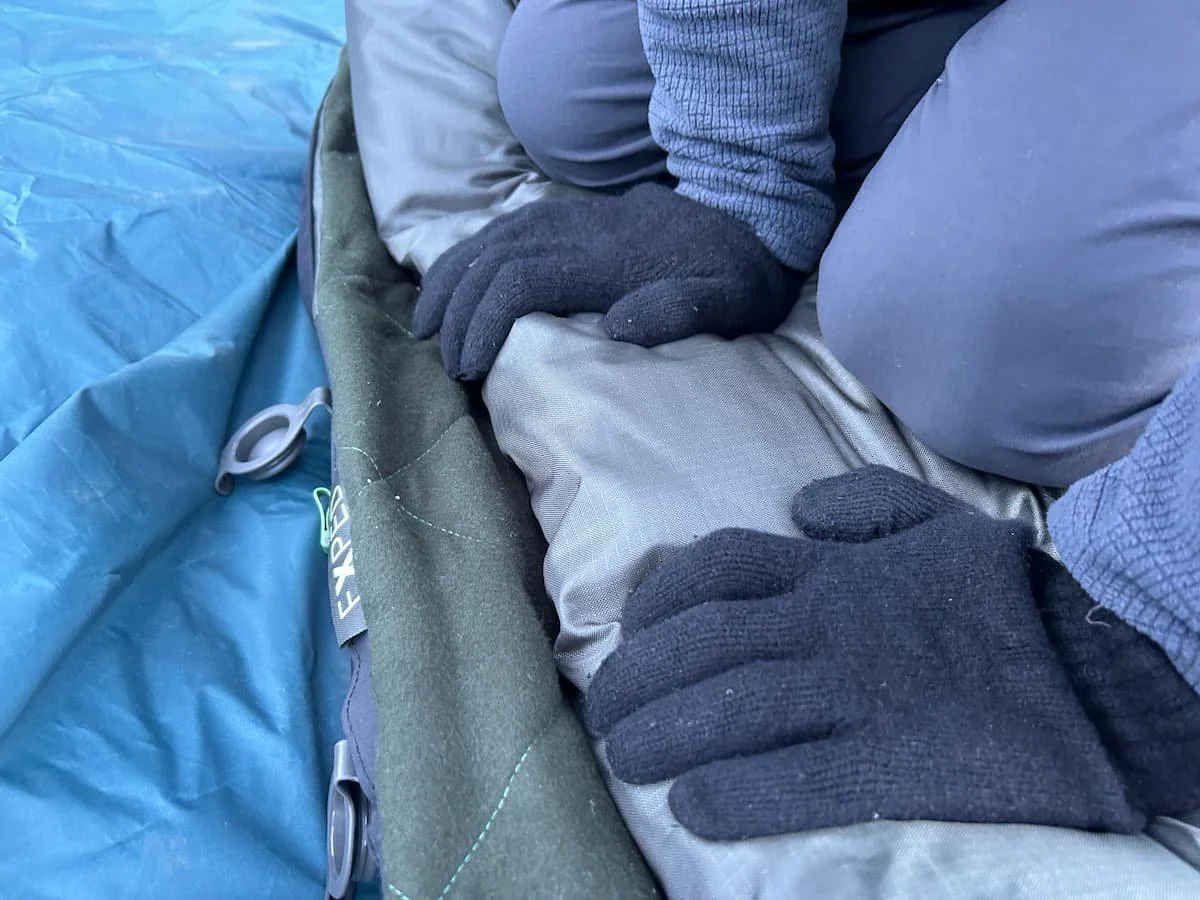
One of the most common mistakes backpackers make is focusing solely on their sleeping bag while ignoring the ground. The earth is a massive heat sink; through conduction, it will strip warmth from your body far faster than the air will. This is where radiative cooling and convective heat loss meet the cold reality of frozen soil or granite. To stay warm camping, you must build a robust barrier between yourself and the earth.
Understanding how to stack sleeping pads for colder nights is a game-changer for ultralight hikers. Instead of carrying one massive, heavy winter pad, many experienced trekkers combine two lighter pads. Start with a closed-cell foam pad on the bottom. This serves as a fail-safe against punctures and provides an immediate layer of radiant heat reflection. Place your inflatable pad on top. This creates a thick buffer of dead air that prevents the cold from the ground from reaching your back.
When searching for the best r-value sleeping pad for high altitude camping, aim for a cumulative rating. R-value measures a material's resistance to heat flow. For summer in the mountains, an R-value of 3.0 might suffice, but once you head into high-altitude shoulder seasons, you really want a combined R-value of 5.0 or higher. This high altitude camping gear strategy ensures that the warmth your body works so hard to produce stays inside your sleep system rather than leaking into the mountain.
3. Maximize Loft: Sleeping Bag and Quilt Strategy
Your sleeping bag or quilt is your primary defense against the atmosphere, but its effectiveness depends entirely on loft—the thickness of the insulation. Whether you use down or synthetic, the goal is to trap as much air as possible. High-quality fill power down is the gold standard for high altitudes because it offers the best warmth-to-weight ratio. However, keep in mind the baffle construction of your bag; continuous baffles allow you to shift down to the top of the bag for more warmth, while sewn-through baffles can create cold spots.
If you find that your current setup is not quite hitting the mark, consider using alpha direct liners to increase bag warmth. Unlike traditional silk or fleece liners that can feel clammy, Alpha Direct is a highly breathable, lofted knit that adds significant thermal efficiency without a massive weight penalty. It creates a secondary microclimate inside your bag, trapping heat while allowing moisture to move away from your skin.
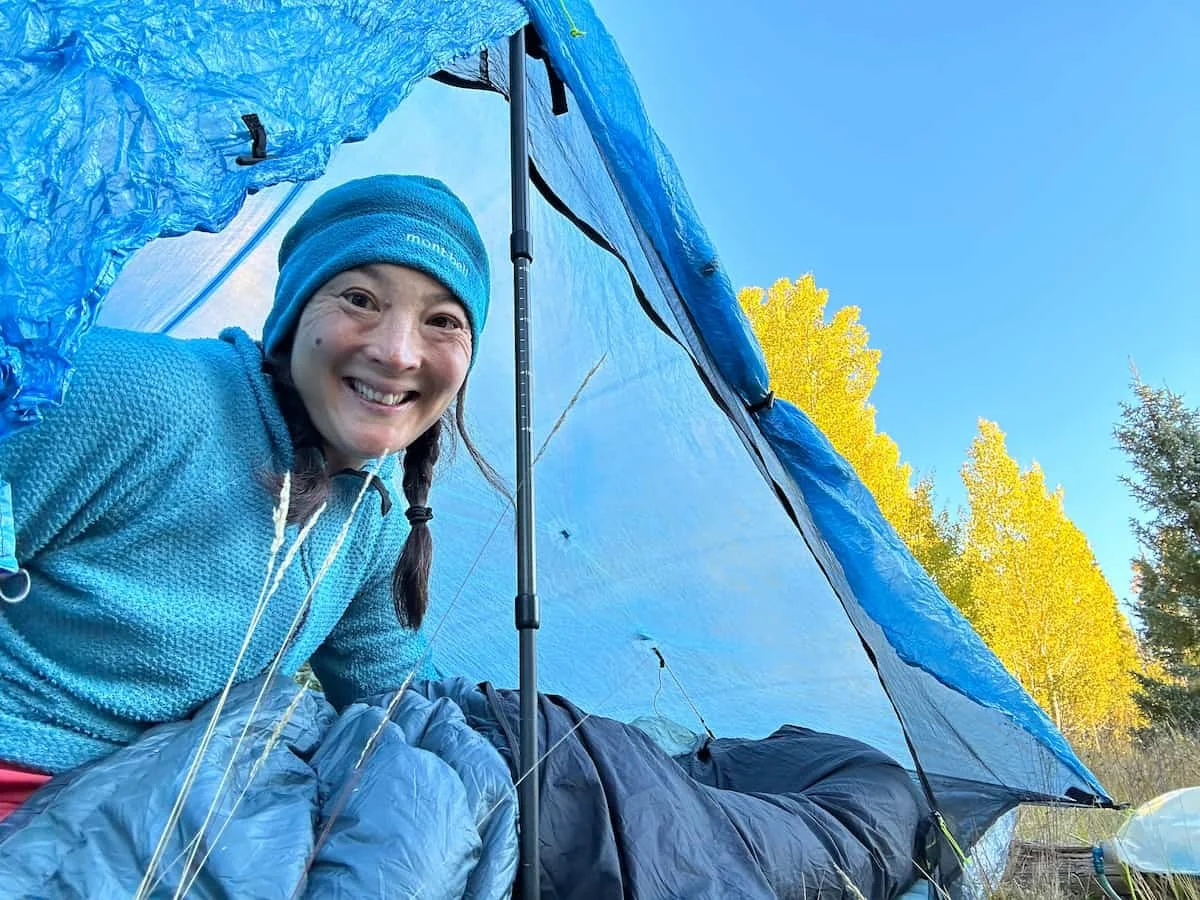
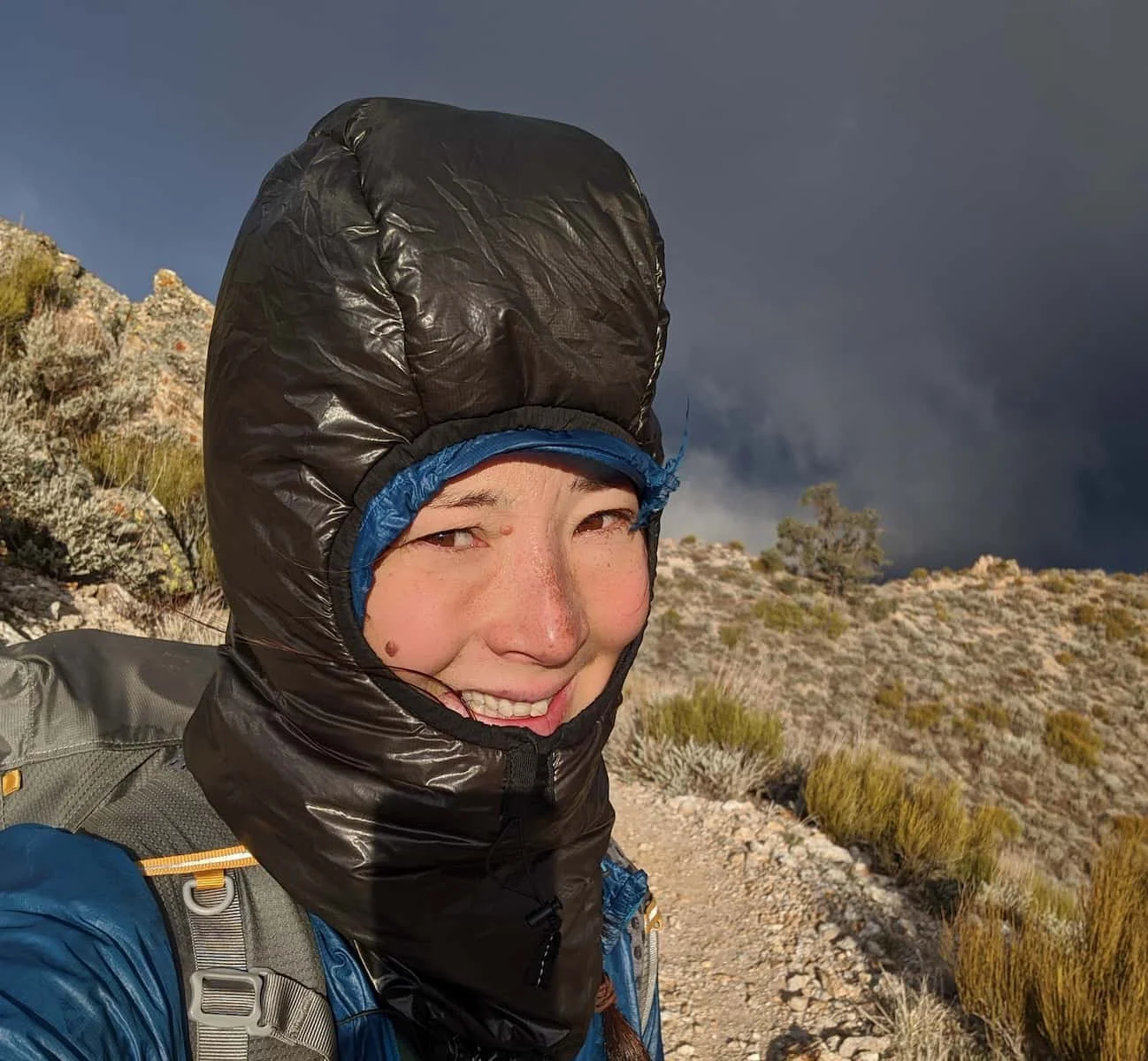
For those using quilts, manage convective heat loss by paying close attention to draft collars and pad attachment systems. Without a hood, a quilt can lose a massive amount of heat through the top opening. This is why many ultralight hikers carry insulated hoods for backpacking quilts at altitude. A dedicated hood allows you to turn your head freely without breaking the seal of your quilt, ensuring your ultralight sleep system warmth is maintained throughout the night.
Pro Tip: Always check the Comfort vs. Limit rating on your bag. The Limit rating is the temperature at which a standard man can sleep in a curled position without waking; the Comfort rating is where a standard woman can sleep comfortably in a relaxed position. For high-altitude camping, always aim for a bag with a Comfort rating at least 10 degrees lower than the expected low.
4. The Extremity Strategy: Hands, Feet, and Head
When you are cold, your body naturally prioritizes your core, pulling blood away from your hands and feet. Once your feet get cold, it is incredibly difficult to warm them back up using only your body's heat. This is why protecting your extremities is a pillar of cold weather backpacking tips.
Using ultralight down booties for cold feet in sleeping bag is a luxury that quickly becomes a necessity at 10,000 feet. These booties weigh only a few ounces but provide a dedicated pocket of loft for your toes, which often sit at the very end of the sleeping bag where insulation can be compressed. Similarly, wearing a pair of clean, dry wool socks—reserved only for sleeping—ensures that no moisture from the day's hike contributes to cooling your feet.
If you still find yourself shivering, it is time for the hot water bottle trick for ultralight backpacking. Before bed, boil water and pour it into a heat-resistant, leak-proof bottle. Wrap the bottle in a spare sock and place it in the footbox of your sleeping bag. This provides a direct source of convective heat that can last for 4 to 6 hours. It acts like a radiator for your sleep system, helping your body reach a stable temperature much faster so you can fall into a deep, restorative sleep.
5. Environmental Tactics: Moisture and Gear Care
Moisture is the enemy of warmth. In the alpine environment, managing condensation management is just as important as choosing the right down jacket. When you breathe inside your tent, you release moisture that can condense on the cold inner walls and eventually drip onto your sleeping bag, collapsing the loft of your down. Whenever possible, leave a vent open to allow airflow, even if it feels counterintuitive to let in the cold air.
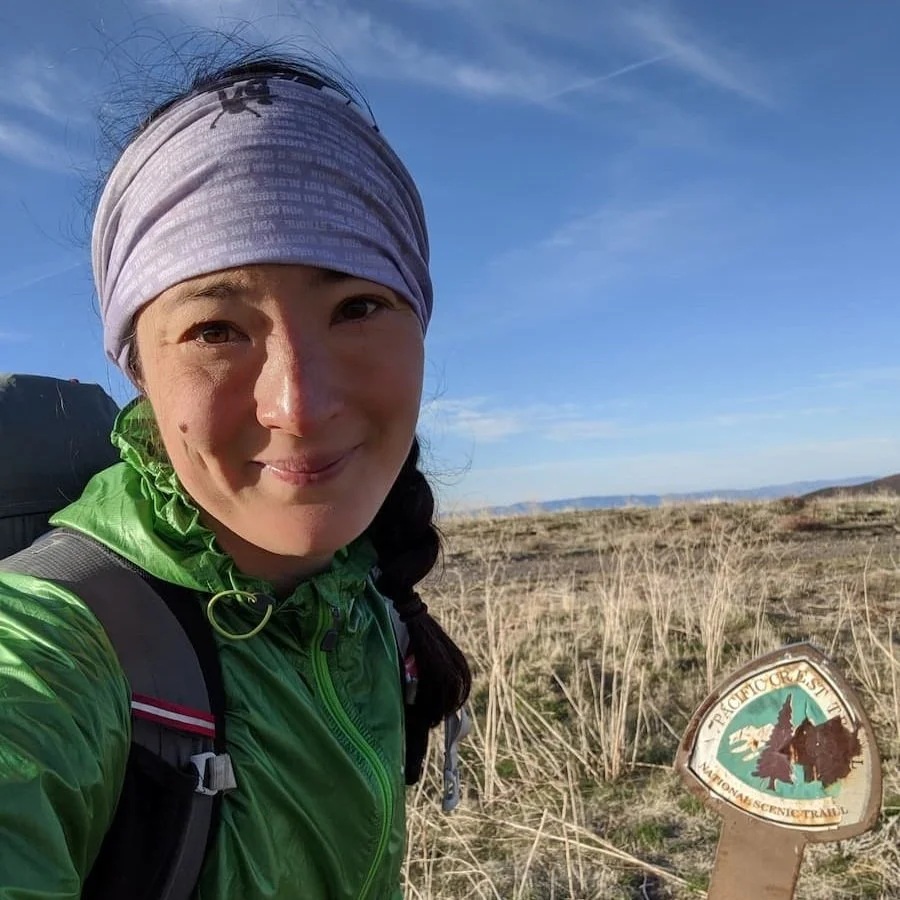
The philosophy of Be Bold, Start Cold is essential for moisture management. If you start your morning hike wearing every layer you own, you will quickly begin to sweat. That sweat will dampen your base layers, and once you stop moving at camp, that moisture will pull heat away from your body as it evaporates. Regulate your layers throughout the day to ensure you arrive at your campsite as dry as possible.
Warning: At high altitudes, temperatures often drop well below freezing. Always sleep with your Sawyer water filter and your electronics (power banks and phone) inside your sleeping bag. If a hollow-fiber water filter freezes, the internal fibers can crack, rendering the filter useless and leaving you without a way to safely process water.
FAQ
How can I stay warm camping in a tent?
Focus on creating layers between you and the ground using high R-value pads and ensuring you have adequate ventilation to prevent condensation. Consume a high-fat dinner to keep your metabolism active and use a sleeping bag rated at least 10 degrees colder than the expected temperatures.
How do I keep my feet warm while camping?
Always switch into a pair of dedicated, bone-dry sleeping socks before getting into your bag. For extreme cold, use down-filled booties and place a hot water bottle in the footbox of your sleeping bag to provide consistent heat throughout the night.
Is it warmer to sleep with or without clothes in a sleeping bag?
It is warmer to sleep with clean, dry layers on. Wearing base layers and even a puffy jacket inside a sleeping bag adds insulation and fills empty air space that your body would otherwise have to heat up. However, ensure the layers are not so tight that they compress the bag's loft.
How can I warm up my sleeping bag before bed?
The most effective way is to perform a few minutes of light exercise, like jumping jacks or lunges, right before getting in. This raises your core temperature so you enter the bag hot. Additionally, the hot water bottle trick provides an immediate external heat source.
How do you stay warm while camping without a heater?
You stay warm by maximizing your body's heat production through high-calorie nutrition and minimizing heat loss through conduction, convection, and radiation. This involves using stacked sleeping pads, high-loft insulation, and protecting your head and extremities with specialized gear.