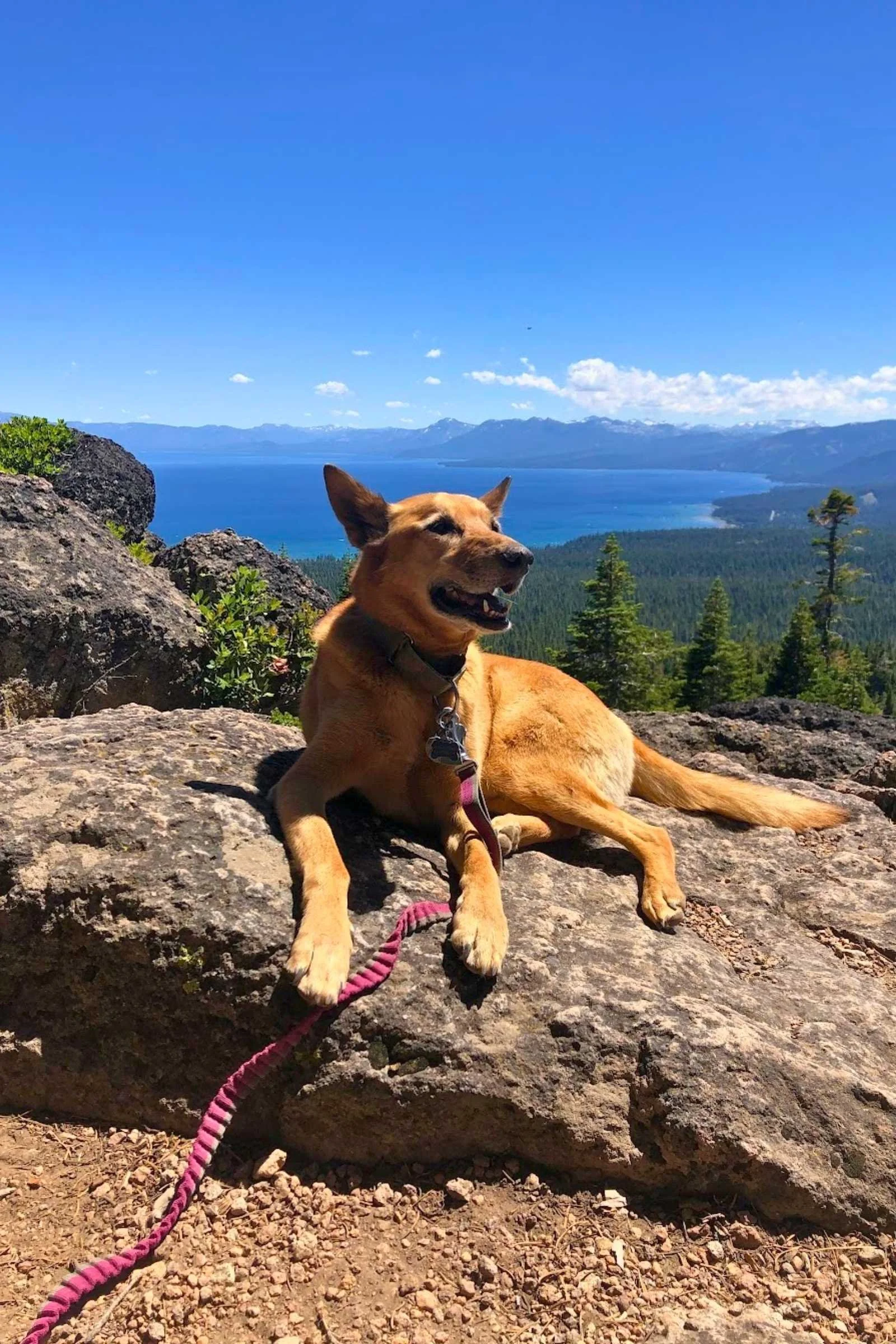
Quick Facts
- Safety Benchmark: Always use crash-tested crates for transit; 1,500 pounds of force can occur in a 35 mph crash with an unrestrained 50 lb dog.
- Essential Gear: Prioritize elevated beds (8+ inches off ground) for thermal protection and portable cooling fabric for heat management.
- Health Protocol: Pack a dedicated first aid kit and use 2 drops of bleach per gallon for emergency water purification from natural sources.
- Trail Rules: National Park Service regulations typically require a leash no longer than six feet at all times.
- Logistics: According to the 2024 KOA Report, 64% of campers in the United States travel with their dogs, making pet-friendly prep a standard part of the outdoor experience.
To ensure a safe trip when camping with dogs, verify that vaccinations and microchips are current and pack a pet-specific first aid kit including bandages and paw balm. Use crash-tested crates for car travel and apply dog-safe tick and mosquito prevention before arrival. Monitoring local weather is crucial to prevent heatstroke in summer or hypothermia during cold nights. Essential dog camping gear includes a portable, washable bed or insulated foam pad to provide comfort and ground insulation. A secure tie-out system or a long leash is necessary for campsite safety, while collapsible bowls ensure hydration and easy feeding. For hiking, consider a dog backpack for carrying supplies and protective booties to shield paws from sharp rocks or hot pavement. Maintain campground etiquette by keeping your dog leashed and properly disposing of all waste to follow Leave No Trace principles. When sleeping in a tent, use a durable liner or blanket to protect the floor from claw punctures. Store all dog food in airtight containers inside a vehicle or bear-proof box to prevent attracting wildlife to your campsite.
1. Pre-Trip Preparation and Transit Safety
Successful camping with dogs starts weeks before you actually hit the road. If your pet is a novice to the outdoors, we recommend a series of backyard trials. Set up your tent in the garden and spend the night there. This helps your dog get used to the sounds of rustling nylon and the lack of a familiar couch. During these sessions, you can practice recall training in a controlled but distracted environment. It is also the perfect time to ensure your pet microchip identification is updated with your current cell phone number, rather than a home landline.
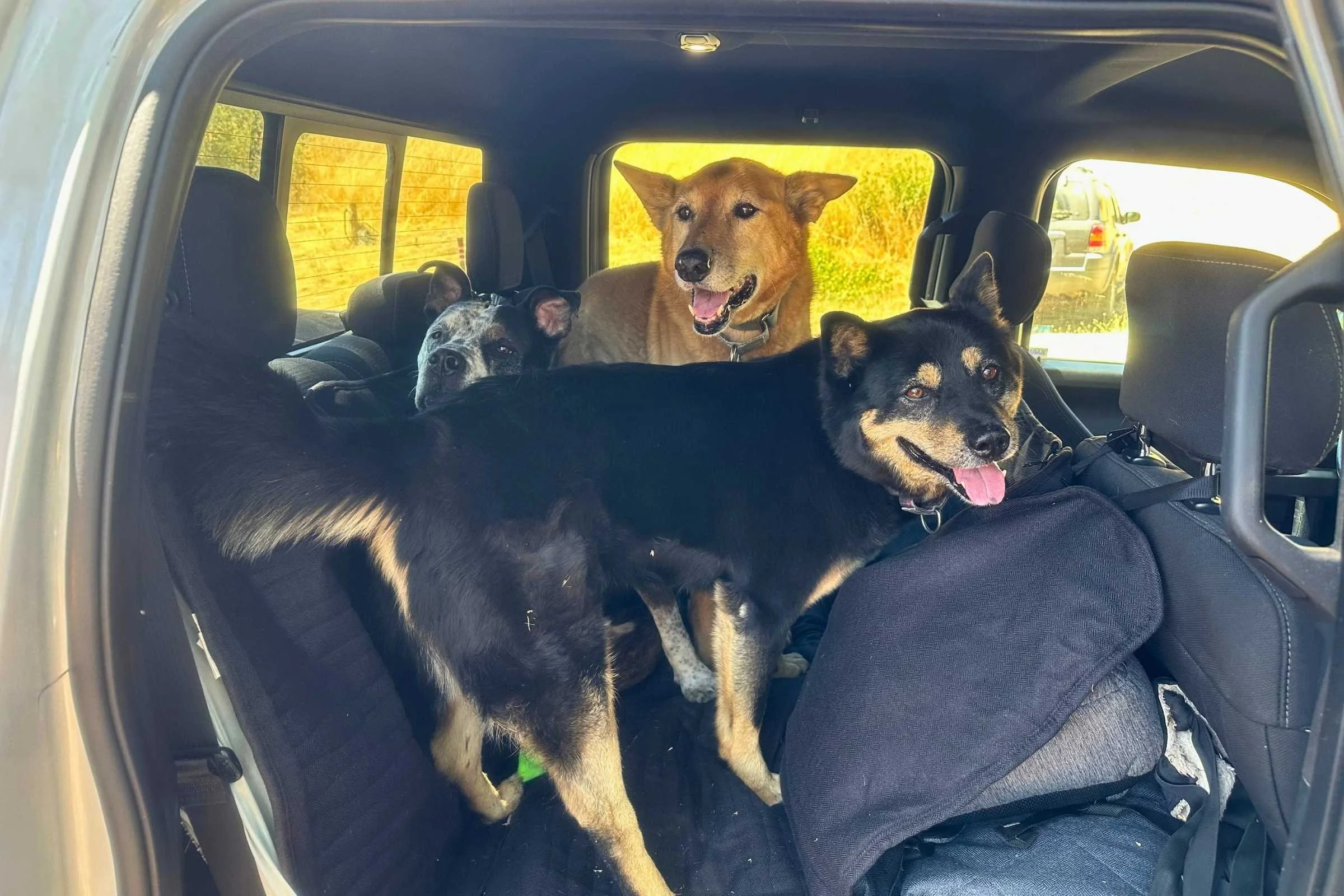
The journey to the campsite is often the most dangerous part of the trip. Statistics show that in a 35 mph car crash, an unrestrained 50-pound dog can be propelled forward with 1,500 pounds of force. To mitigate this risk, it is non-negotiable to use high-quality car travel safety accessories for dogs. We recommend crash-tested crates that are bolted to the vehicle frame or heavy-duty harnesses that integrate directly with the seatbelt system.
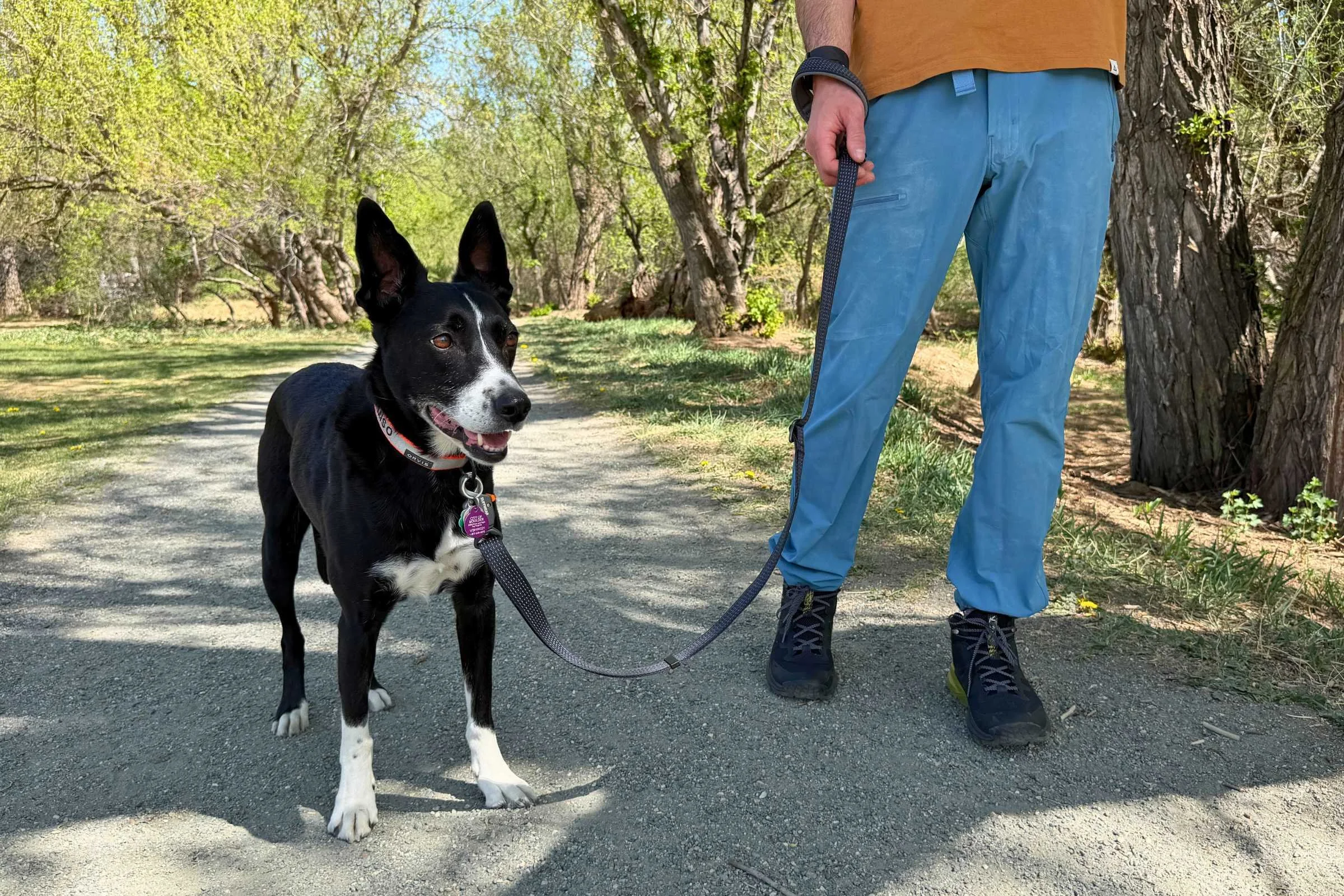
Before you leave, research the specific rules of your destination. While many state parks are welcoming, the National Park Service generally requires that pet dogs be kept on a leash no longer than six feet at all times and restricts them from most backcountry trails. Knowing how to prepare a dog for their first camping trip involves understanding these legal boundaries as much as physical training.
2. Campsite Essentials: Gear for Comfort and Safety
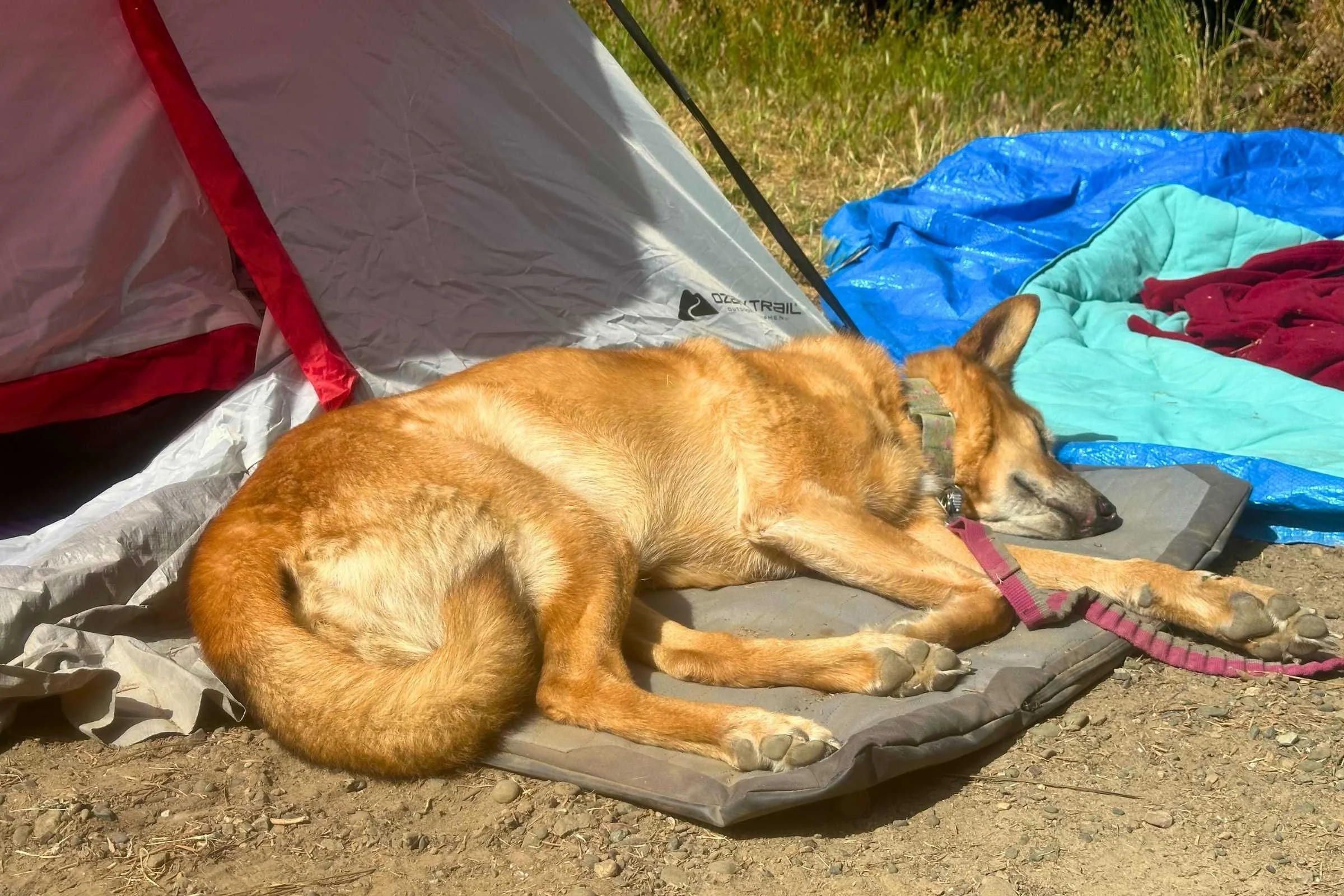
Once you arrive, the layout of your campsite determines your dog’s comfort and your peace of mind. The ground is a major conductor of heat and cold, so providing a barrier is essential. When looking for the best portable dog beds for car camping, our editorial team looks for models with at least 8 inches of elevation or high-density foam insulation. These beds keep your dog off the cold dirt and provide a designated place for them to settle, which helps reduce anxiety in a new environment.
What to Look For: Sleep Systems
- Durability: Look for 330 Denier Cordura fabrics to resist punctures.
- Height: Aim for 8-inch elevation for optimal thermal protection and to avoid ground-dwelling insects.
- Portability: Choose beds that fold into a compact carry bag for easy storage in the trunk.
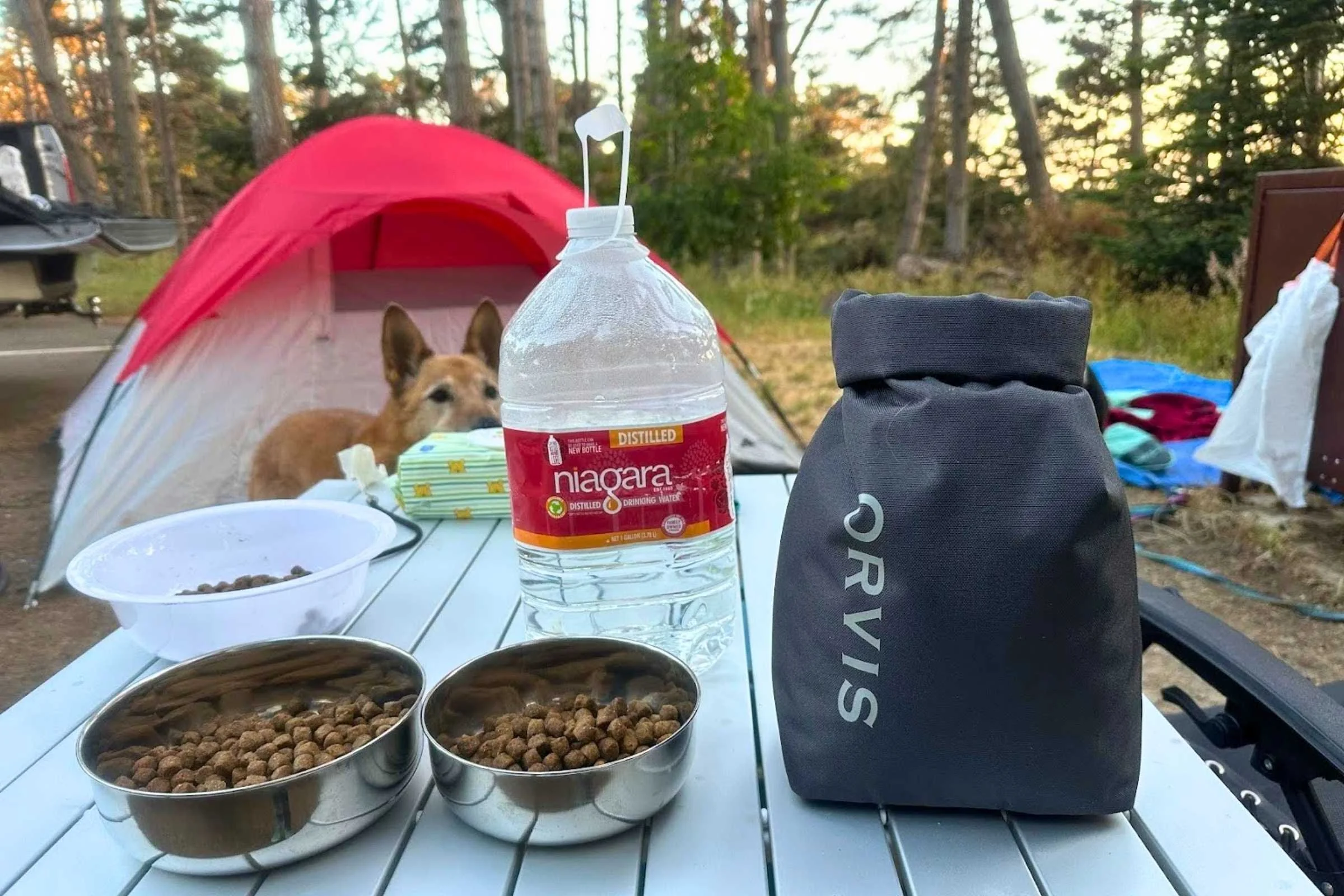
Managing resources at camp requires a proactive approach to safety tips for camping with dogs. One of the most common mistakes is leaving food out. Storing dog food safely to avoid wildlife is a critical part of campground safety. Always use airtight, scent-proof containers and store them inside your vehicle or a bear-proof locker provided by the site. This prevents attracting bears, raccoons, or rodents that could disturb your camp or pose a threat to your pet.
Lastly, your dog camping gear should include a secure tie-out system. This allows your pet to have some freedom of movement within your site while ensuring they do not wander into neighboring camps or chase wildlife. A long leash attached to a ground stake or a overhead trolley line is highly effective. Ensure the area around the tie-out is clear of obstacles where the leash could become tangled, which could lead to injury.
3. On the Trail: Hydration, Health, and Protection
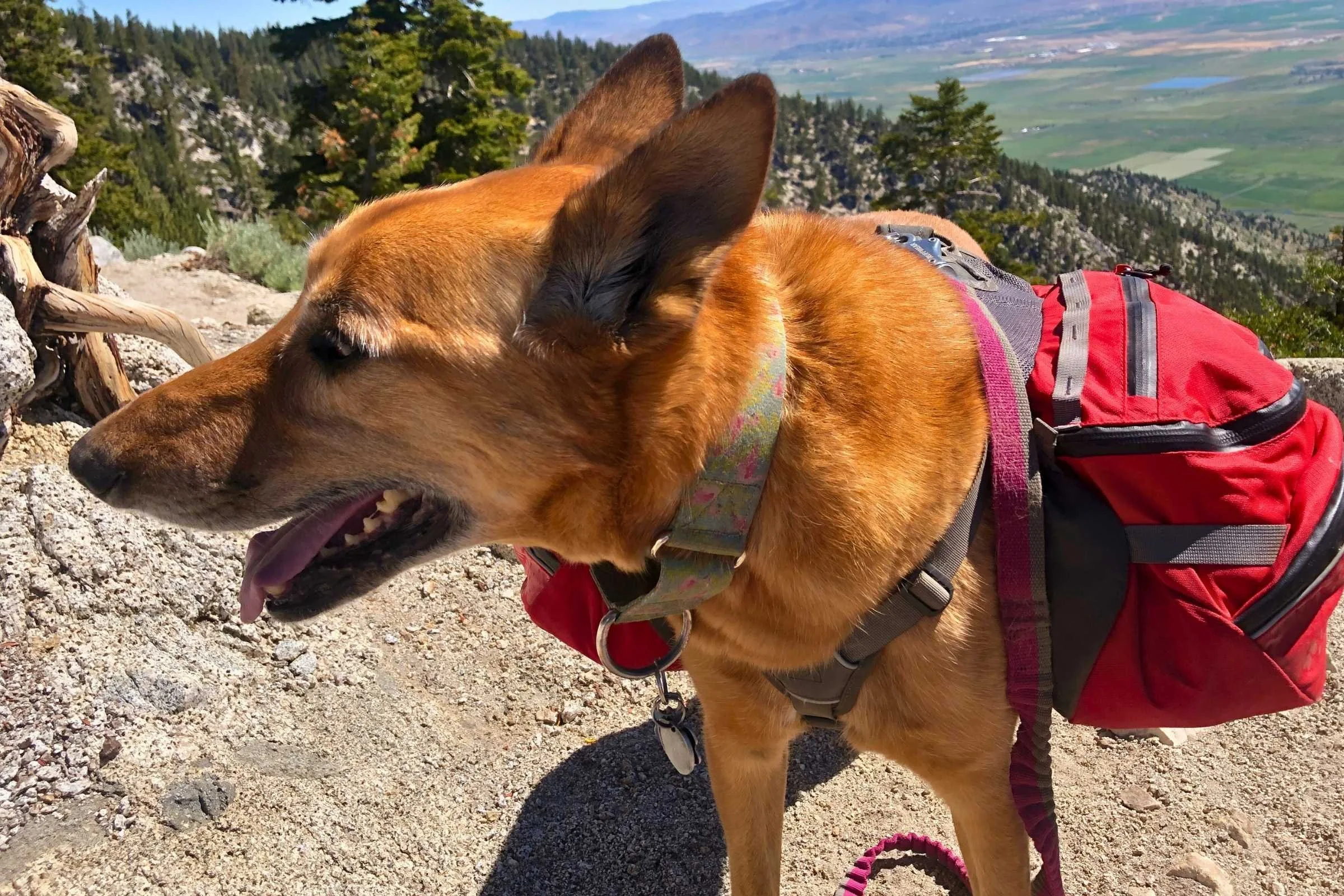
When you move from the campsite to the trail, your focus shifts to active health management. Canine hydration is your top priority. Dogs do not sweat like humans; they rely on panting to cool down, which consumes water rapidly. Always carry more water than you think you need. A good rule of thumb for water purification in the backcountry is the 2-drop bleach rule: if you must use a natural water source, add two drops of unscented household bleach per gallon of clear water and let it sit for 30 minutes. This helps prevent waterborne illnesses like Giardia.
Keeping dogs cool while camping in summer requires specialized tactics. Consider using a vest made of evaporative cooling fabric. You soak these vests in water, and as the moisture evaporates, it draws heat away from the dog’s body. You should also be hyper-aware of heatstroke awareness signs, such as excessive drooling, bright red gums, or lethargy. If you notice these symptoms, stop immediately, find shade, and apply cool (not ice-cold) water to their belly and paws.
| Item | Purpose | Category |
|---|---|---|
| Self-Adhering Bandage | Wrapping wounds without sticking to fur | First Aid |
| Paw Balm / Wax | Protecting pads from hot sand or ice | Skin Care |
| Saline Solution | Flushing debris from eyes or wounds | First Aid |
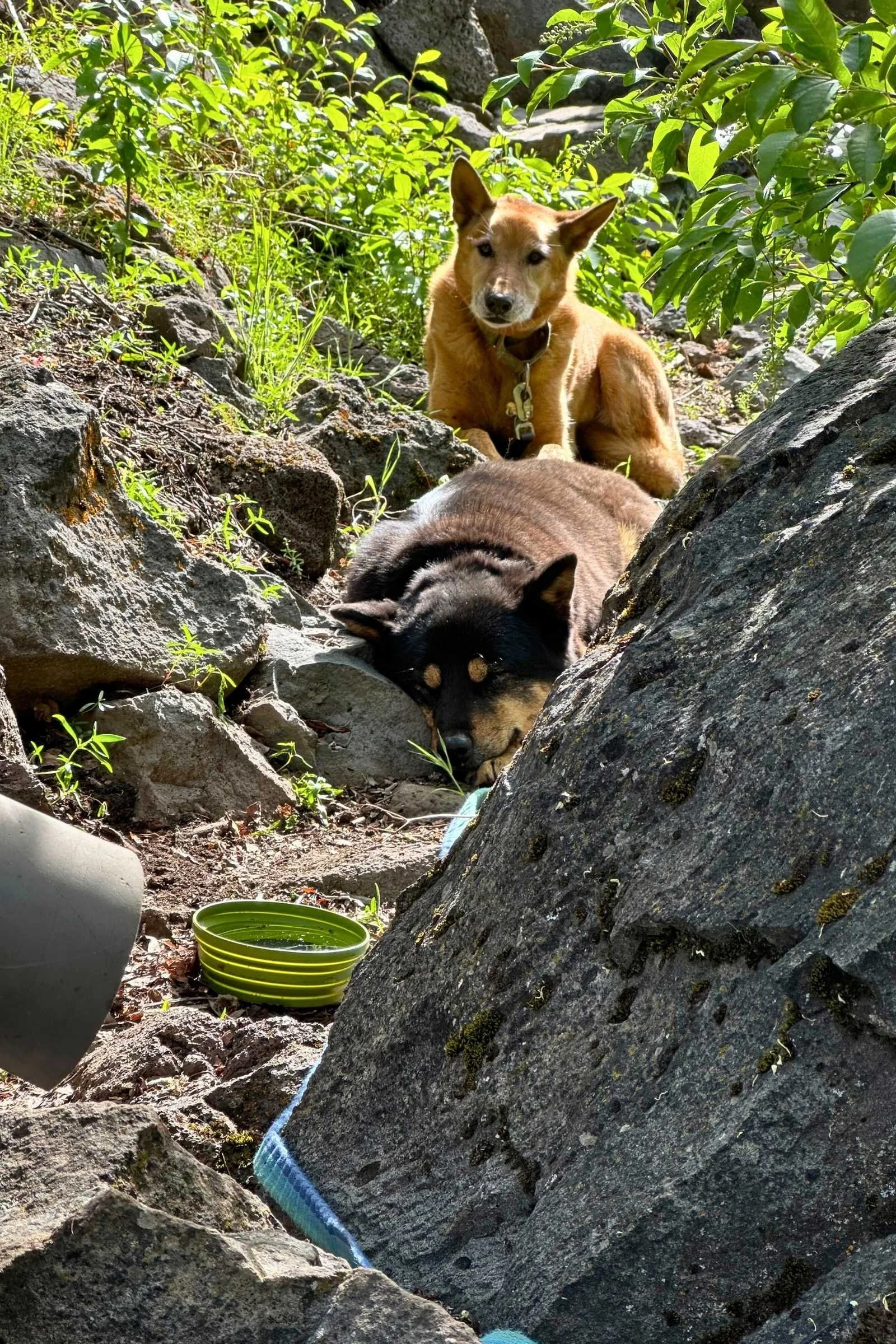
| Collapsible Bowls | Lightweight hydration and feeding | Trail Gear |
| Canine Booties | Protection from sharp rocks or thorns | Safety |
| Tick Removal Tool | Safe extraction of parasites | Health |
Protecting your dog's paws is often overlooked. Rough granite trails, hot pavement, or thorny undergrowth can quickly cause damage. High-quality booties made of Cordura or rubberized soles provide a necessary layer of protection. If your dog refuses booties, regular application of paw balm can help toughen the skin and provide a mild protective barrier.
Before your trip, ensure you have applied a veterinary-approved tick prevention treatment. Ticks are ubiquitous in camping environments and can transmit Lyme disease or Rocky Mountain Spotted Fever. Check your dog's coat thoroughly every evening, paying close attention to the ears, underarms, and between the toes. A compact camping first aid kit essentials for dogs should always include a dedicated tick removal tool and antiseptic wipes to treat the bite site.
4. Nighttime Logistics and Tent Etiquette
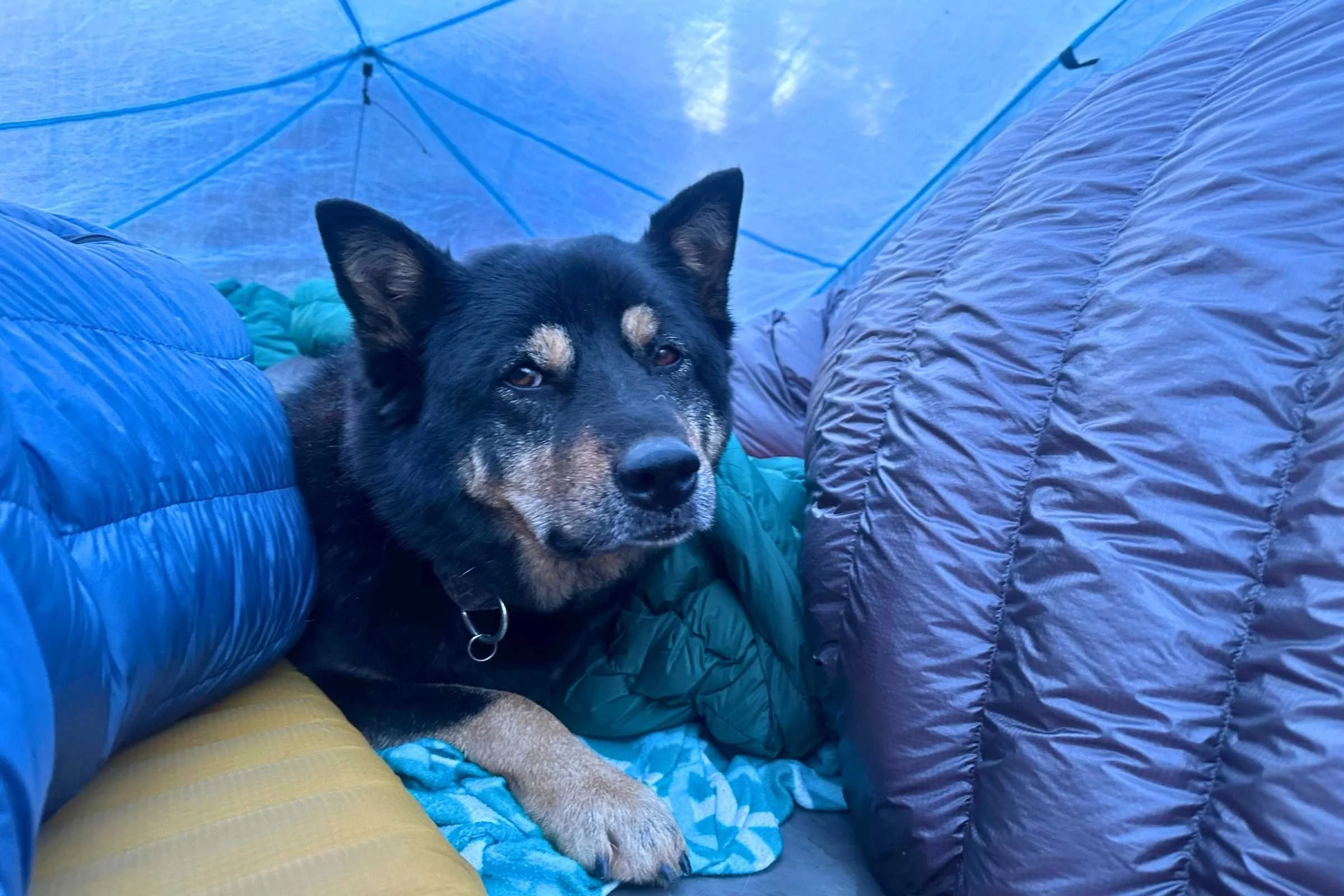
Sleeping in a tent with a dog requires a bit of interior design. To protect your expensive tent floor from claw punctures, we suggest laying down a durable liner. Tyvek sheets or heavy-duty moving blankets work exceptionally well as they are lightweight and easy to clean. This small addition to your dog camping essentials can save you from a very expensive repair bill later on.
Managing the temperature inside the tent is also vital. During cold mountain nights, a dog can lose significant body heat to the ground. Ensure their insulated bed is positioned away from the tent walls to prevent condensation from dampening their fur. If you have a short-haired breed, they might even require a dedicated canine sleeping bag or a fleece jacket to stay warm through the night. Many campers wonder if they should keep the dog in the vestibule or inside the tent; for safety and warmth, we almost always recommend keeping them inside the main body of the tent.
5. Outdoor Ethics and Campground Rules
Finally, all pet owners must adhere to Leave No Trace ethics to ensure that campgrounds remain open to animals. This includes the immediate and proper disposal of all pet waste. Never bury dog waste or leave it on the trail; always bag it and carry it to a designated trash receptacle. In backcountry settings where trash cans aren't available, follow the same "pack it in, pack it out" rules you use for human waste.
Campground etiquette also means maintaining control over your dog's barking. A campsite is a shared space, and a dog that barks at every passing hiker can quickly ruin the experience for others. Keeping your dog active during the day helps ensure they are tired and quiet at night. Remember that many places have strict leash rules, and keeping your pet on a leash no longer than six feet is often a legal requirement to protect local wildlife and prevent unwanted wildlife avoidance behaviors in native species.
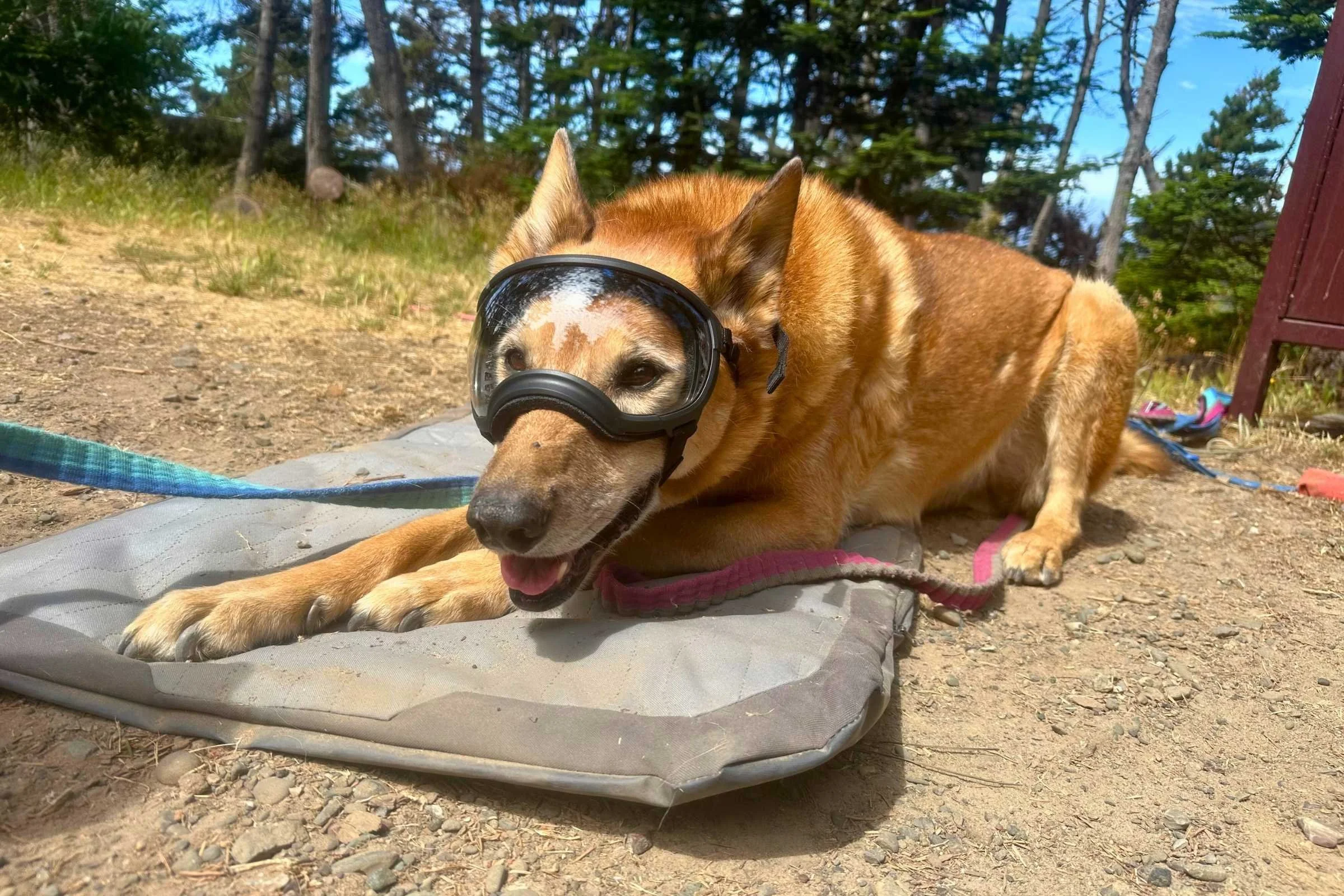
By combining the right dog camping gear with a safety-first mindset, you can create a rewarding outdoor experience for both you and your canine companion. The effort you put into preparation—from crash-tested crates to a well-stocked first aid kit—pays off in the form of a stress-free adventure.
FAQ
What should I bring when camping with a dog?
You should bring high-quality dog camping essentials including a portable elevated bed, collapsible bowls, a secure tie-out system, and plenty of their regular food stored in an airtight container. Don't forget a pet-specific first aid kit, a sturdy leash, and recent vaccination records.
Can dogs sleep in a tent with you?
Yes, dogs can and often should sleep inside the tent with you for security and warmth. To prevent damage to the tent floor, use a durable liner or blanket. Ensure your dog has a comfortable, insulated sleeping pad to protect them from the cold ground.
How do you keep a dog secure at a campsite?
To keep a dog secure, use a heavy-duty tie-out stake or a trolley system that allows them to move around without escaping. Avoid leaving them unattended, and always keep them on a leash when moving through common areas of the campground.
How do I prepare my dog for their first camping trip?
Start with backyard camping to get them used to the tent. Practice their recall training in various outdoor environments. Ensure all their vaccinations are current and their microchip contact information is updated before heading to the wilderness.
How do you manage dog food and water while camping?
Store dog food in airtight, scent-proof containers inside a vehicle or bear box to avoid attracting wildlife. For water, carry a surplus and use collapsible bowls for easy access. If natural water is your only option, follow the 2-drop bleach rule for purification.
What are the rules for dogs at campgrounds?
Most campgrounds follow Leave No Trace ethics, requiring you to pick up and dispose of all pet waste. Most public lands, including National Parks, require dogs to be on a leash no longer than six feet and may restrict them from certain trails or sensitive habitats.