Our Top Picks
- Best Overall: Osprey Atmos AG LT 65 — The gold standard for balancing a ventilated trampoline suspension systems with a weight-conscious build.
- Best for Thru-Hiking: Granite Gear Blaze 60 — A lightweight backpacking packs review favorite that hauls 50 pounds as easily as 30.
- Best Value: REI Co-op Flash 55 — Modular, affordable, and surprisingly capable for both beginners and seasoned weekend warriors.
- Best Heavy Hauler: Gregory Baltoro 75 — The ultimate choice for most comfortable multi-day hiking backpacks when carrying gear-intensive winter or family loads.
The Osprey Atmos AG LT 65 is highly rated as the best overall backpacking pack for 2026 due to its Anti-Gravity suspension system. This design utilizes a suspended mesh back panel that extends through the hip belt to provide a snug fit and maximum ventilation. It effectively balances weight savings with high-end comfort, making it suitable for a wide range of multi-day hiking conditions. Choosing the best backpacking backpacks for your specific needs requires evaluating suspension systems and weight distribution to ensure your gear supports your body rather than straining it.
Quick Facts: The 2026 Truth-O-Meter
As we move toward the 2026 season, the gear landscape is shifting toward technical transparency. We no longer just take a manufacturer's word for it; we verify volumes and stress-test frames. Interestingly, the global hiking backpacks market is projected to reach a value of approximately USD 6.2 billion by the end of 2026, with multi-day packs expected to account for 33% of the total product segment. This growth is driving incredible innovation in materials and ergonomics.
| Feature | Osprey Atmos AG LT 65 | Granite Gear Blaze 60 | REI Trailmade 60 |
|---|---|---|---|
| Tested Volume | 63.5L (2% discrepancy) | 61L (1% discrepancy) | 54L (10% discrepancy) |
| Sweet Spot Load | 30–45 lbs | 35–50 lbs | 25–40 lbs |
| Frame Type | Perimeter Frame | Rigid Molded Sheet | Aluminum Frame Stays |
| Material | 210D Nylon | 210D Robic Nylon | 420D Nylon |
| Weight | 4.2 lbs | 3.1 lbs | 3.8 lbs |
Our lab testing frequently finds a 15% discrepancy in advertised versus actual capacity, particularly in packs with many external mesh pockets. We emphasize trail weight efficiency, ensuring that every ounce of the pack’s own weight translates into better base weight management. Biomechanical research indicates that ergonomic hiking backpacks utilizing optimized hip belts and adjustable harnesses can significantly reduce energy expenditure and joint stress by transferring weight evenly across the natural curves of the spine.

The Thru-Hiker: Best Lightweight Packs for Long Distances
For those who measure their trips in months rather than days, the search for thru-hiking backpacks for long distances often leads to a compromise between durability and weight. However, the 2026 market has seen a surge in Ultra 200X fabrics, which offer superior abrasion resistance without the heavy polyurethane coatings of the past. When evaluating a lightweight backpacking packs review, the Granite Gear Blaze 60 consistently rises to the top because of its incredible weight-to-volume ratio.
The Blaze 60 is designed for the hiker who wants a sub-3-pound pack but isn't quite ready to commit to a frameless ultralight setup. It features a hidden adjustment system that allows you to dial in the torso length perfectly, ensuring the aluminum frame stays align with your spine. This is critical for maintaining center of gravity stability when navigating technical terrain like the High Sierra or the White Mountains.
Nobody's Perfect: Granite Gear Blaze 60 While the suspension is top-tier, the lid (brain) can feel a bit floppy when the pack isn't fully loaded. The compression straps are everywhere—great for stability, but a "strap salad" nightmare for some.
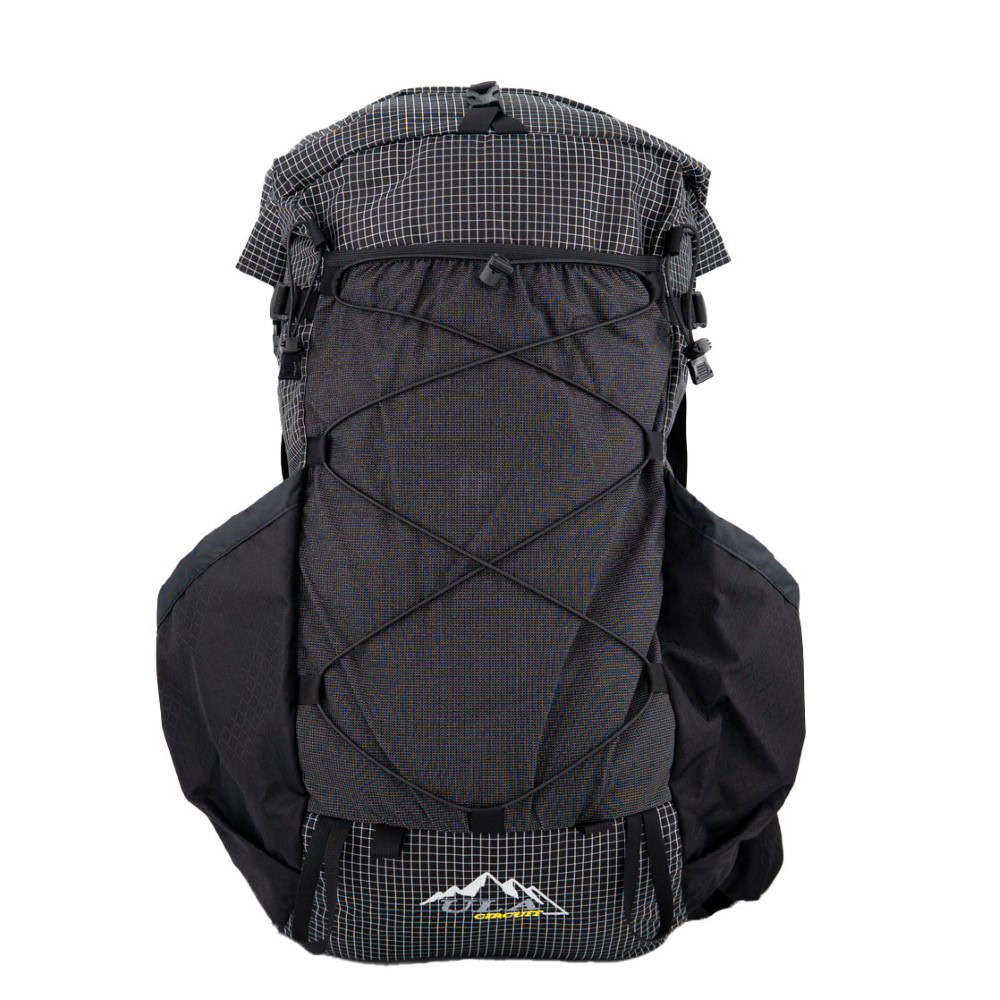
Another icon in this category is the ULA Circuit. We have seen this pack dominate the PCT for years, and for good reason. It offers enough bear canister compatibility to fit a BV500 vertically, a non-negotiable for many Western trails. Its simplicity is its strength; there are no unnecessary zippers to fail, just a robust roll-top design that keeps your kit secure mile after mile.
When searching for the best lightweight thru-hiking backpacks for long distances, focus on the shoulder harness ergonomics and the ability of the load lifter straps to pull the weight off your collarbones. A pack that feels good at mile 10 needs to feel just as good at mile 2,000.
The Comfort King: Most Comfortable Multi-Day Hiking Backpacks
If your priority is a plush carry rather than counting every gram, the category of most comfortable multi-day hiking backpacks is where you should look. These packs are built with the 80/20 load distribution rule in mind: 80% of the weight should rest on your hips, with only 20% on your shoulders. The Gregory Baltoro 75 (and its female counterpart, the Deva) remains the benchmark here.
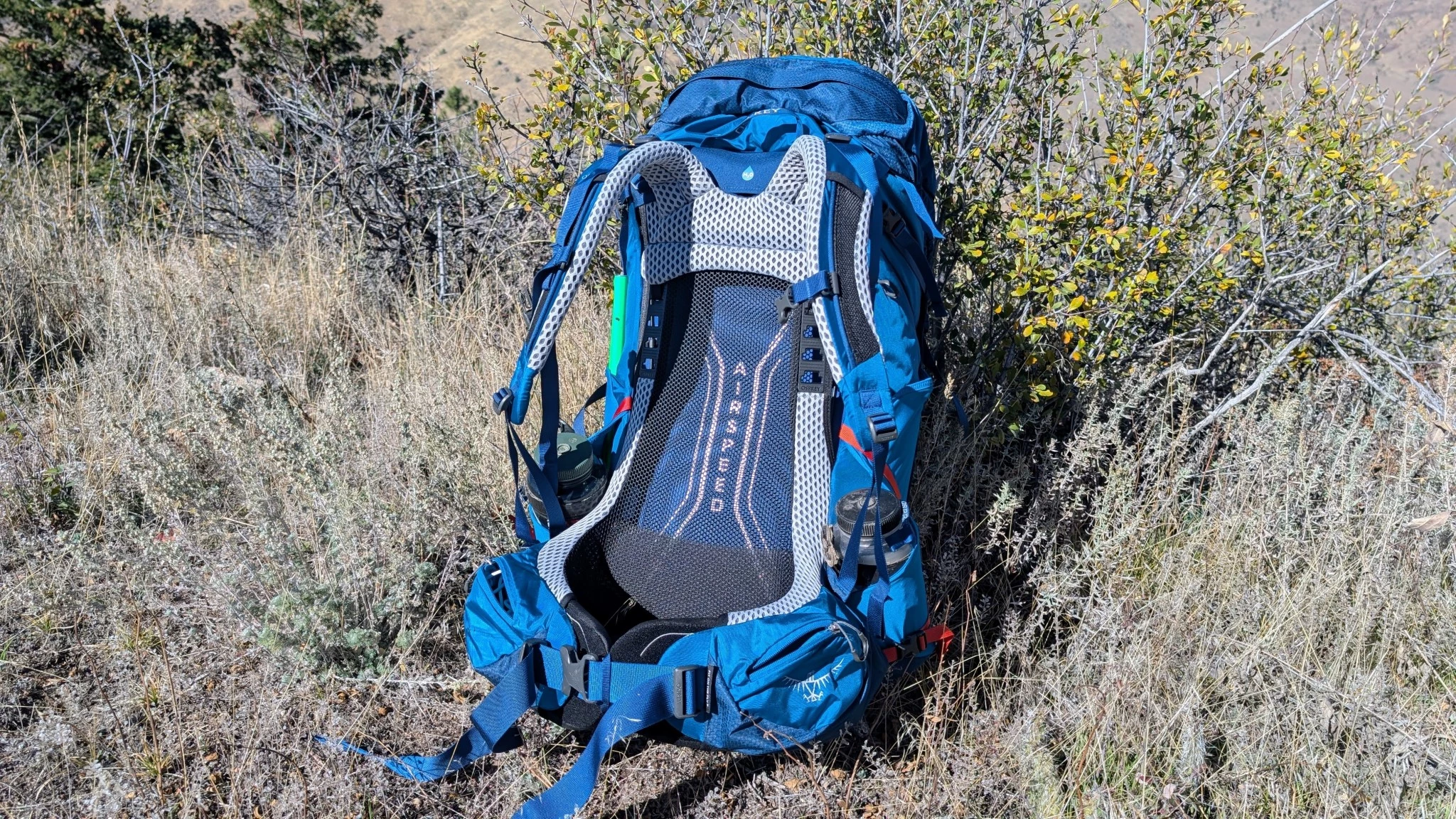
The secret to this comfort lies in the lumbar support padding and the pivoting shoulder straps that move with your body’s natural gait. This reduces friction and prevents the pack from swaying, which is vital when carrying heavy loads. Furthermore, backpacking packs with ventilated trampoline suspension systems, like those found in the Osprey Anti-Gravity line, use moisture-wicking mesh to keep a constant flow of air between your back and the gear. This isn't just about comfort; it's about temperature regulation and preventing the dreaded "chilled back" during rest breaks.
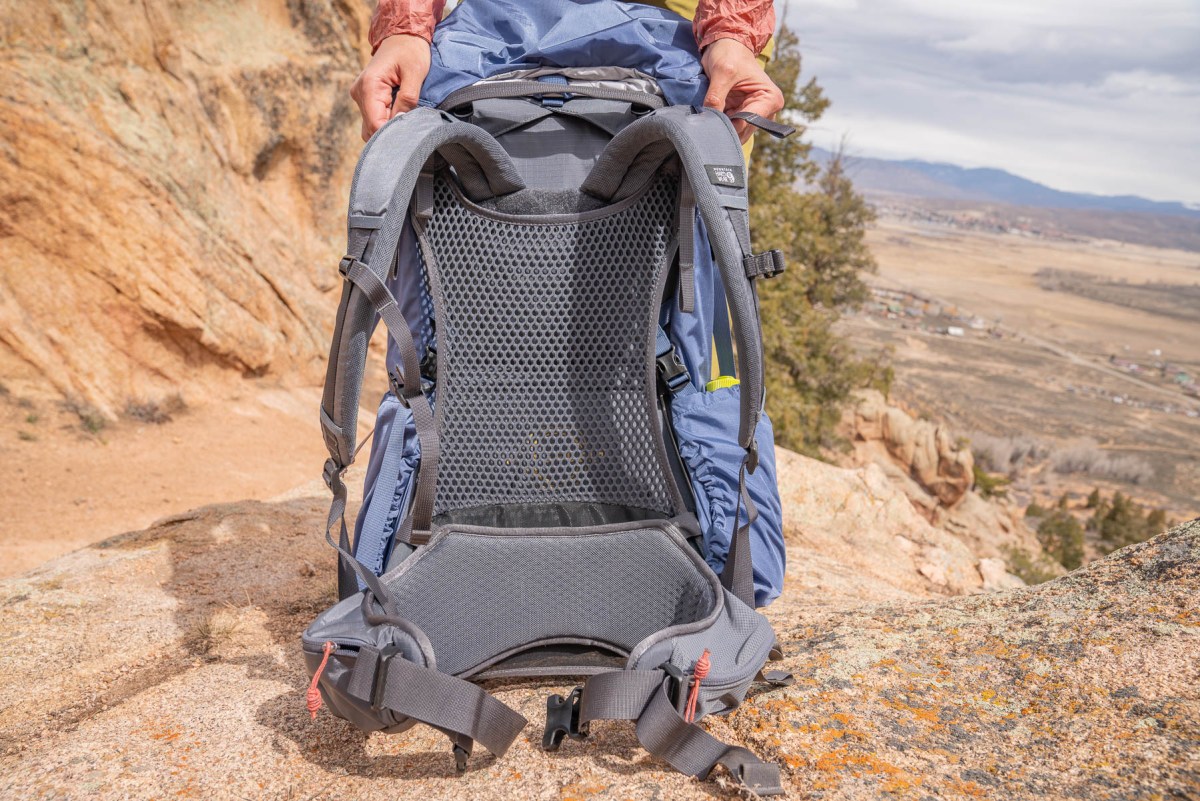
For the most comfortable backpacking packs for heavy loads, look for a thick, multi-density foam hip belt. The foam should be stiff enough to not collapse under 50 pounds but soft enough to contour to your iliac crest. A proper sternum strap adjustment can also help by fine-tuning how the shoulder straps sit, preventing them from pinching the armpits or sliding off the shoulders.
Nobody's Perfect: Gregory Baltoro 75 The sheer number of features makes this pack heavy—crossing the 5-pound mark easily. It also has a complex pocket system that can be overkill for hikers who prefer a simple "stuff and go" packing style.
Specialized Fits: Women's and Plus-Size Inclusive Options
Historically, the outdoor industry lagged in providing gear for diverse body types. In 2026, we are seeing a massive shift. The best backpacking backpacks are now those that acknowledge a 70-inch waist requires different engineering than a 30-inch one. Brands like Osprey have expanded their Extended Fit (EF) range, which doesn't just lengthen the straps but repositions the hip belt pockets and changes the angle of the shoulder harness ergonomics to avoid chest compression.
When looking for women's specific hiking packs with supportive hip belts, models like the Osprey Renn or the Gregory Jade offer a narrower neck width and a different cant to the hip belt to match a female pelvis. This prevents the bruising and "digging in" often associated with unisex packs.
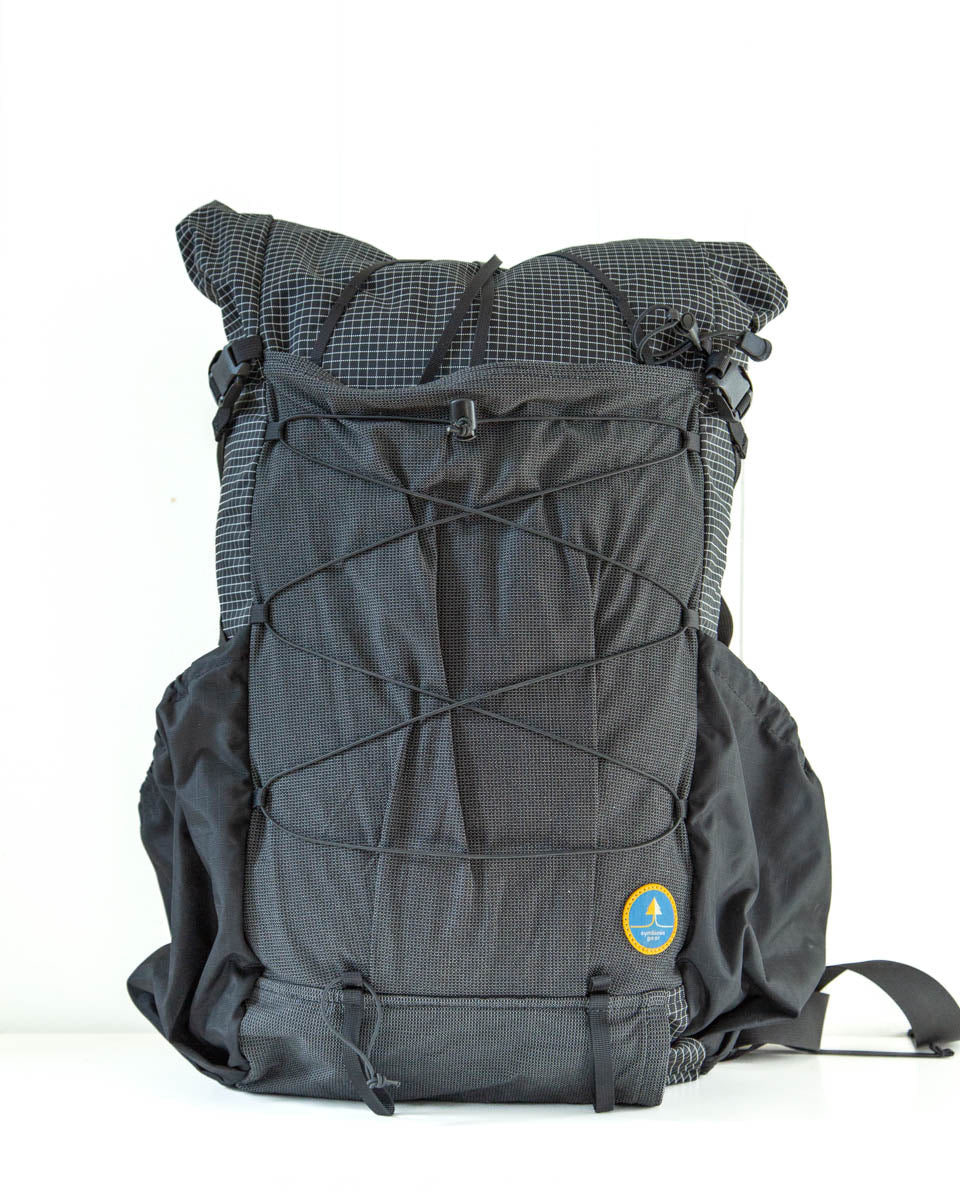
Choosing a durable backpacking packs for rugged terrain 2026 means ensuring the fit is perfect from day one. A pack that doesn't fit correctly will wear out faster because weight will be concentrated on specific seams rather than distributed across the entire frame. If you are between sizes, always prioritize the torso length over the total volume; a 50L pack that fits is better than a 65L pack that sags.
Technical Buying Guide: Materials and Torso Measurement
Understanding the skeleton of your pack is the first step toward long-term trail happiness. Most modern internal frame packs use either aluminum frame stays or a peripheral wire frame. Aluminum offers the best balance of stiffness and weight, and can often be hand-bent by a professional fitter to match the specific curve of your lumbar spine.
To get the most out of the best backpacking backpacks for beginners 2026, you must know your torso size. This is not your height; it is the distance from your C7 vertebra (the bump at the base of your neck) to your iliac crest (the top of your hip bones).
- Tilt your head forward to find the C7 vertebra.
- Put your hands on your hip bones, pointing your thumbs toward your spine.
- Have a partner measure the distance between those two points along the curve of your back.

We are also seeing a shift toward UHMWPE (Ultra-High-Molecular-Weight Polyethylene) blended fabrics. These are waterproof and nearly impossible to tear, making them ideal for the durable backpacking packs for rugged terrain 2026 category. While expensive, they significantly improve your trail weight efficiency by eliminating the need for a heavy rain cover and resisting water weight gain during storms.
FAQ
What size backpack do I need for a 3-day trip?
For a typical three-day weekend trip, a pack between 50 and 60 liters is usually the sweet spot. This provides enough room for a standard tent, sleeping bag, and three days of food without requiring you to be an expert in ultralight packing. If you have very modern, compact gear, you might even squeeze into a 45-liter pack.
How do I measure my torso for a backpack?
To measure your torso, find the C7 vertebra at the base of your neck and the iliac crest at the top of your hip bones. Use a flexible measuring tape to find the distance between these two points. Most adults fall between 15 and 22 inches. Always use this measurement rather than your height when selecting a pack size.
Is a 50L or 65L backpack better for backpacking?
This depends on your gear's bulk and the length of your trips. A 50L pack is excellent for dedicated minimalists or summer weekend trips. However, a 65L pack offers more versatility, allowing you to carry extra water, bulkier winter layers, or a bear canister without struggling to close the lid. For most beginners, a 60-65L pack is the safer choice.
What is the difference between internal and external frame backpacks?
Internal frame backpacks, which dominate the market today, use integrated stays or sheets to keep the pack close to your body, facilitating better balance on uneven terrain. External frame backpacks feature a visible ladder-like structure; they are excellent for carrying heavy, oversized loads and offer superior ventilation, but they can feel top-heavy and cumbersome on narrow trails.
How should a backpacking backpack fit on your hips?
The hip belt should wrap around the top of your hip bones (the iliac crest), not your waist. When tightened, about 80% of the pack's weight should feel like it is resting on your legs. The padded portions of the belt should ideally cover the front points of your hip bones, leaving a small gap where the buckle connects.
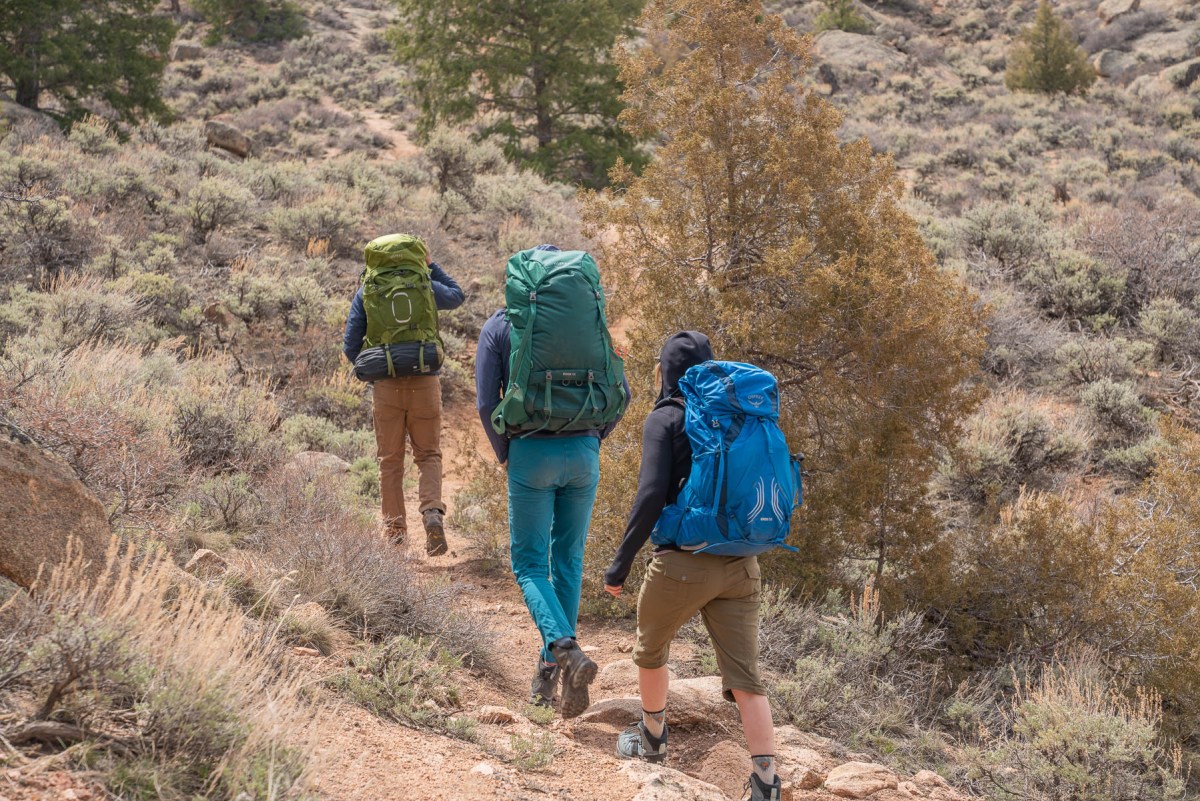
Before you head out on your next adventure, remember that the most expensive pack in the world is worthless if it doesn't fit your unique anatomy. Always test your pack with at least 20 pounds of weight in the store or at home before hitting the trail. Look for a model that maintains your center of gravity stability and offers the load lifter straps necessary to keep the weight tight to your spine. Happy hiking!