Quick Facts
- Distance: Approximately 28 miles
- Total Elevation Gain: ~8,000 feet
- Highest Elevation: 12,500 feet (Buckskin Pass)
- Time Commitment: 8–13 hours for fit athletes
- Permits: Required for overnight stays; self-register at trailheads for day use
- Reservations: Parking or RFTA shuttle reservations required via Recreation.gov
- Best Window: Mid-July to September
Planning to tackle the Four Pass Loop single day? This 28-mile circuit through the Maroon-Snowmass Wilderness is the ultimate Colorado endurance test. To complete it safely in one day, you need more than just fitness; you need a precise strategy for the 8,000 feet of elevation gain, 2026 shuttle logistics, and high-altitude weather patterns. Success hinges on a pre-dawn start from the Maroon Lake trailhead, high-altitude acclimation, and a fast-and-light approach to gear and nutrition.
The Logistics Gatekeeper: 2026 Permits and Parking
Navigating the red tape is often harder than the actual 8,000 feet of climbing. For the 2026 season, permit awareness is paramount. While backpackers face a hyper-competitive lottery system, those attempting the loop in a single day have a slightly easier path, though it is far from a free-for-all. Day hikers attempting the loop in a single day are required to self-register at trailhead kiosks and must secure a separate parking or shuttle reservation to access the Maroon Lake trailhead, though they are exempt from the competitive overnight permits required for backpackers.
The gold standard for access is securing a parking reservation directly at Maroon Lake, which allows for a 3 AM or 4 AM start—crucial for beating the afternoon thunderstorms. These reservations open on Recreation.gov reservations in early bridge periods, with the main 2026 release dates typically falling on February 15. If you miss the parking permits, you are beholden to the RFTA shuttle, which runs from 8 AM to 5 PM. For a 28-mile push, an 8 AM start is dangerously late for most mortals.
Pro Tip: The Parking Hack If Maroon Lake parking is sold out, look for the Rio Grande Garage in downtown Aspen. While it costs roughly $30 for a multi-day stay, you can take a local bus to the Aspen Highlands base and then catch the shuttle. However, for a single day push, your best bet is to arrive before 8 AM or after 5 PM if you have a specific "Highlands" parking reservation and a plan for a very long night.
Directional Strategy: Four Pass Loop Counterclockwise vs Clockwise
Choosing which way to orbit the Maroon Bells is a matter of strategic preference and how your body handles elevation. There is no "easy" way to cover 28 miles in the Elk Mountains, but the distribution of effort changes significantly between the two directions.
| Feature | Counterclockwise (CCW) | Clockwise (CW) |
|---|---|---|
| First Ascent | Buckskin Pass (Steep/Technical) | West Maroon Pass (Gradual/Steady) |
| Running Flow | Better descent from West Maroon | Better descent from Buckskin |
| Difficulty Spike | Hardest climbing early | Hardest climbing late |
| Shade | More morning shade in the valley | Early sun exposure on West Maroon |
Many athletes following a four pass loop trail running guide prefer the counterclockwise direction. This strategy allows you to tackle the steep, lung-busting ascent of Buckskin Pass first while your legs are fresh and your glycogen stores are full. Once you clear Buckskin and Trail Rider, the final miles descending from West Maroon Pass are relatively gentle on the knees, allowing for a faster finish. Conversely, a clockwise approach via West Maroon Pass offers a more gradual initial climb, which may feel more manageable for those adjusting to the thin air. However, this leaves the technical terrain and steep pitch of Buckskin Pass for the very end of your day.
The Modular Pass Breakdown: Mastering the 28 Miles
The Four Pass Loop is a approximately 28-mile circuit that requires crossing four alpine passes—West Maroon, Frigid Air, Trail Rider, and Buckskin—all of which are situated at elevations exceeding 12,400 feet. Understanding the personality of each pass is key to an average time to day hike four pass loop of 10 to 12 hours.
West Maroon Pass (12,500 ft)
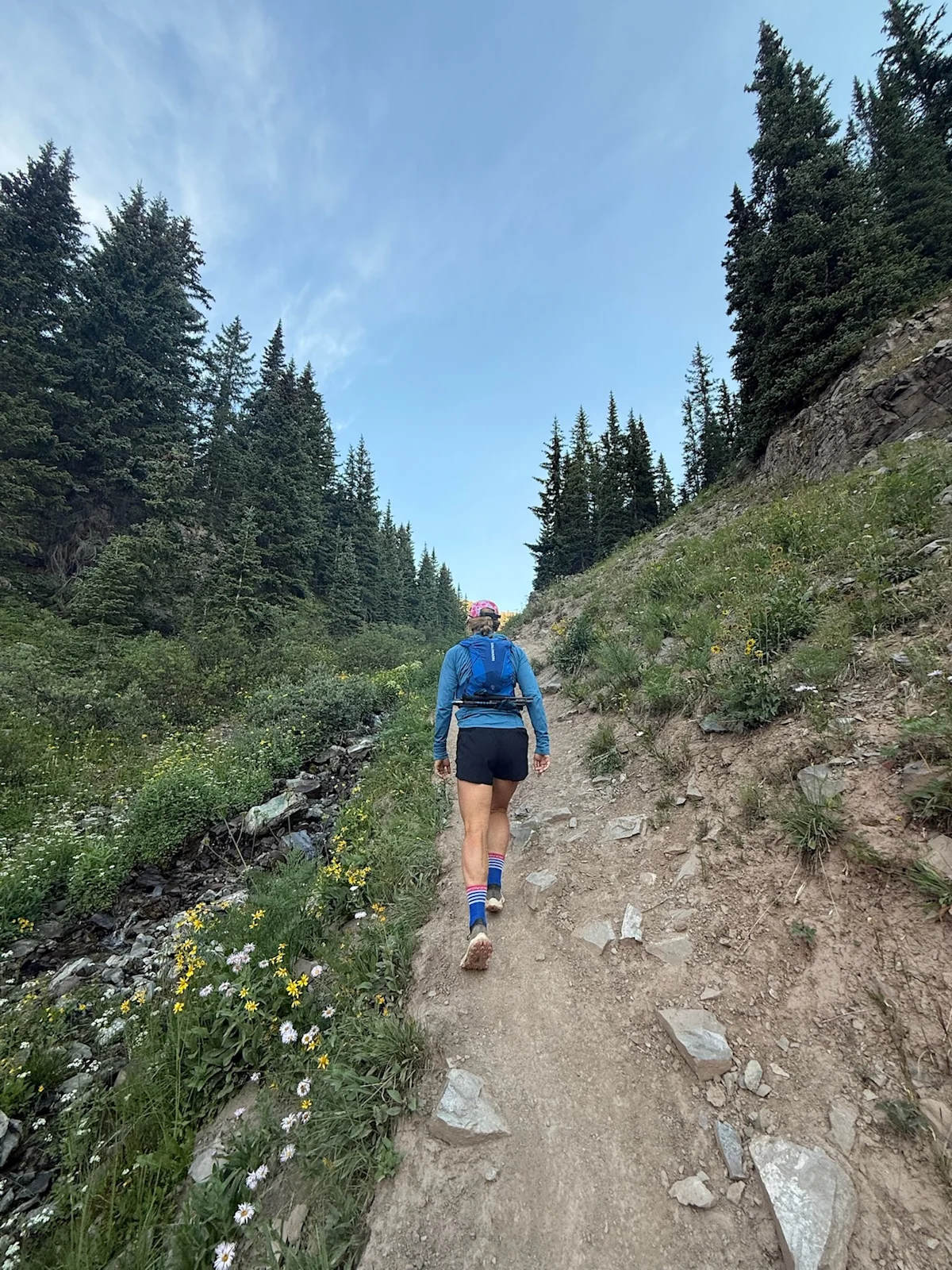
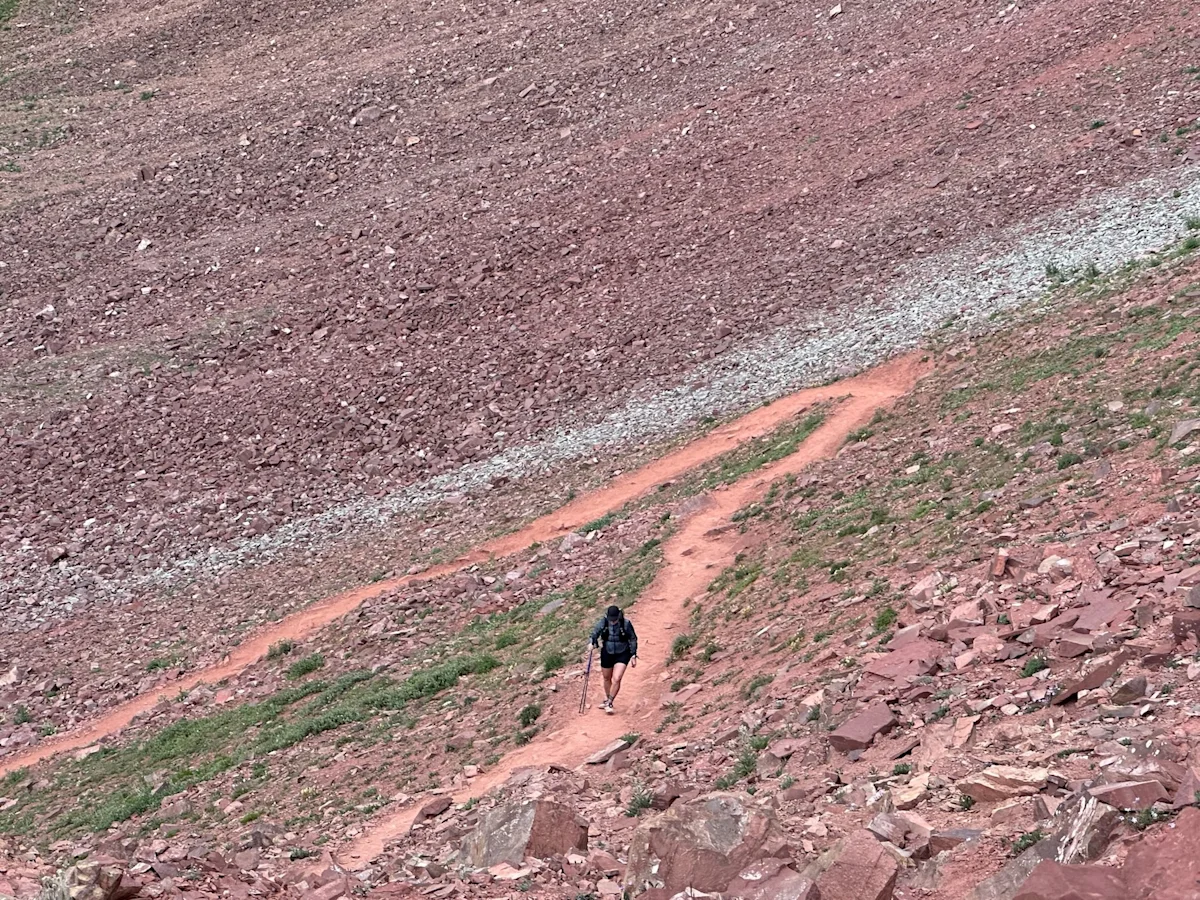
Whether it is your first or your last, West Maroon is the gateway to the Crested Butte side of the range. The climb from Maroon Lake is long—about 6.5 miles—but the grade is largely runnable for elite athletes. As you ascend, the forest thins into sub-alpine meadows. The final pitch to the summit is a series of tight switchbacks on loose scree.
Frigid Air Pass (12,408 ft)
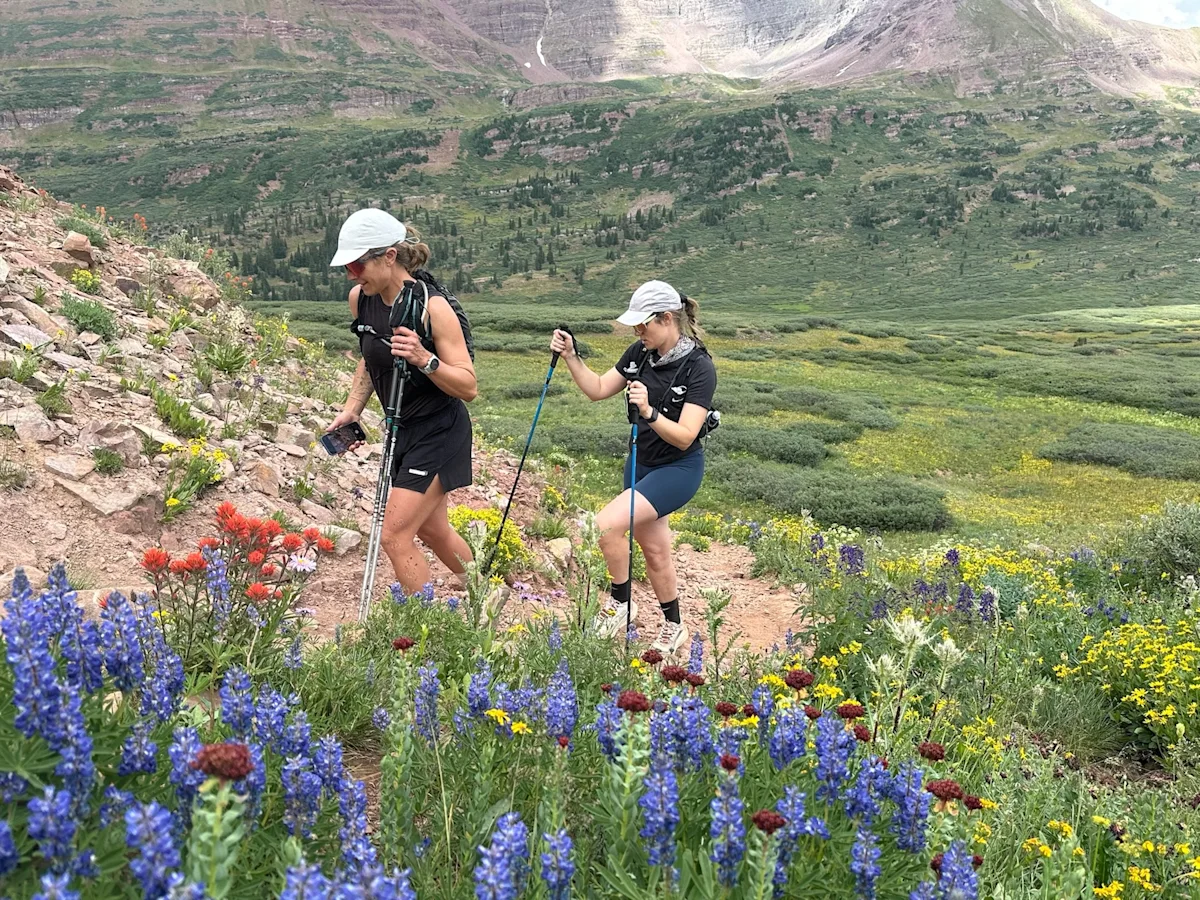
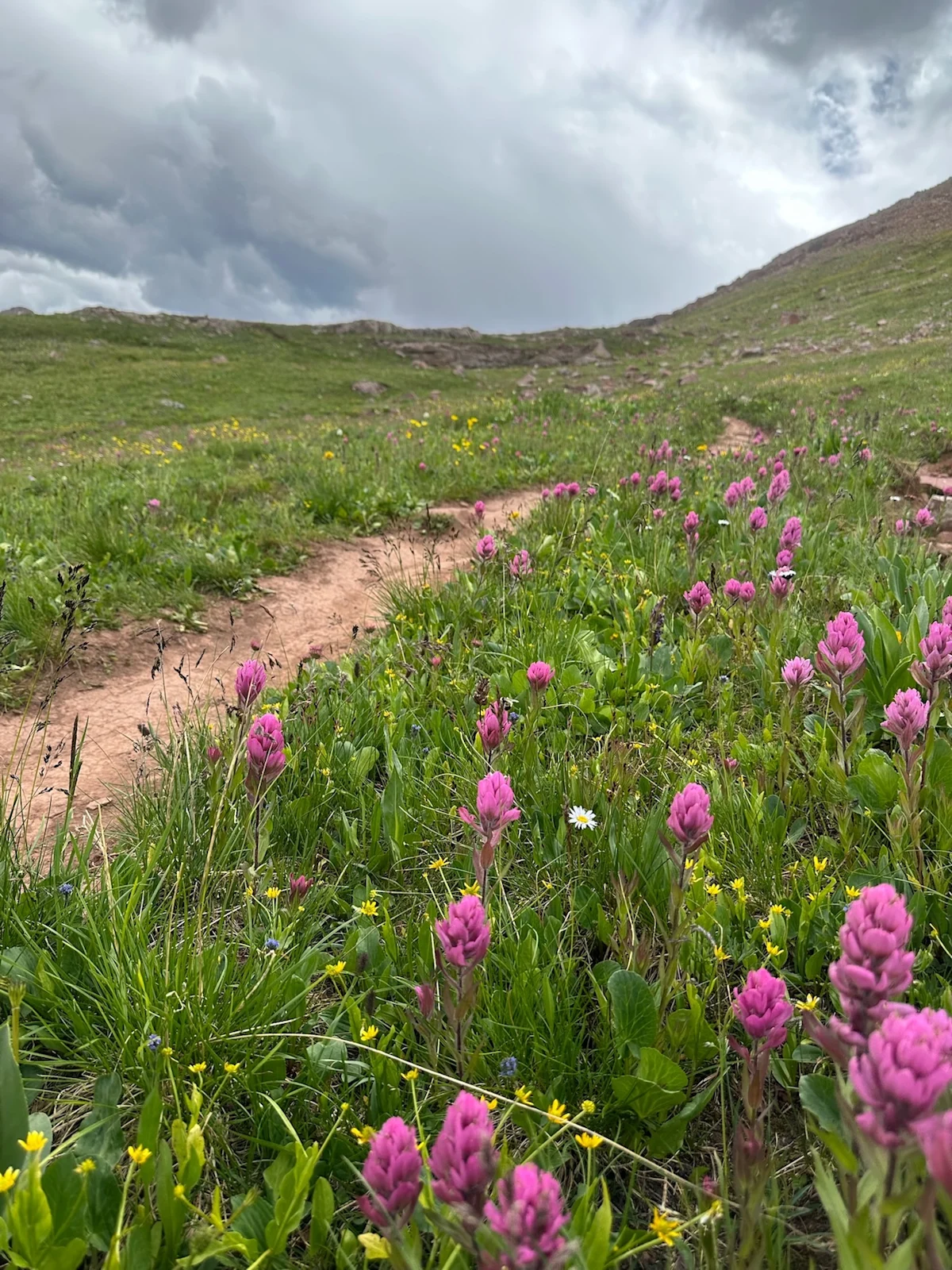
From the top of West Maroon, a quick descent leads you toward Frigid Air. This is often the most visually stunning segment. During the four pass loop wildflower peak season, the meadows here are carpeted in waist-high lupines, columbines, and paintbrush. The climb up Frigid Air is short but punchy, offering a unique "backside" view of the Maroon Bells that few tourists ever see.
Trail Rider Pass (12,420 ft)
Considered by many to be the "crux" of the day, Trail Rider Pass involves a long descent into Fravert Basin, past the impressive King Falls, followed by a relentless climb. This pass is notorious for its false summits. The technical terrain here requires careful footwork, especially if the trail is wet or if you are fighting the effects of high-altitude acclimation. The reward at the top is the pristine view of Snowmass Lake nestled in the valley below.
Buckskin Pass (12,462 ft)
The final obstacle (in a CCW route) or the first (in a CW route). Buckskin offers perhaps the most expansive 360-degree views of the entire Maroon-Snowmass Wilderness. The descent toward Maroon Lake from here is a quad-burning 4.6 miles that drops over 2,500 feet. If you are finishing your day here, keep a sharp eye on the trail etiquette, as you will likely encounter many casual hikers near the trailhead.
Gear & Nutrition for the 24-Hour Push
When you are navigating a total elevation gain of approximately 8,000 feet, weight is your greatest enemy. A packing list for a one-day loop should prioritize ultralight efficiency. Forget the heavy backpacking boots; this is the realm of high-performance trail shoes with aggressive lugs.
| Item Type | Trail Running Strategy | Fast-Hiking Strategy |
|---|---|---|
| Pack | 5L-12L Running Vest | 18L-25L Lightweight Daypack |
| Hydration | 2x 500ml soft flasks + Filter | 2L Reservoir + Filter |
| Poles | Carbon collapsible (optional) | Aluminum telescoping (recommended) |
| Clothing | Wind shell + Arm sleeves | Technical rain shell + Mid-layer |
A critical four pass loop water filter strategy trail running involves "filtering as you go." Instead of carrying 3 liters of water (adding 6+ lbs to your back), carry a portable 1-liter water filter like the Katadyn BeFree or a Solomon XA filter cap. The loop is blessed with frequent alpine streams in every basin, allowing you to refill almost every hour.
For nutrition, aim for 200–300 calories per hour. Balance quick-energy gels for the climbs with solid real food for the descents to maintain stamina. Electrolyte replenishment is non-negotiable; the combination of high altitude and physical exertion leads to rapid salt loss, which can trigger cramping or HAPE symptoms in extreme cases.
Mountain Safety: Altitude and the 2 PM Rule
Nature does not care about your PR. In the Elk Mountains, afternoon thunderstorms are a daily occurrence, often rolling in with terrifying speed. The 2 PM Rule is the standard: you should aim to be off the high passes and descending toward the tree line by 2:00 PM to avoid being a lightning rod on the exposed Alpine tundra.
Starting your effort at 4:00 AM or even 3:00 AM is the best time of day to start four pass loop run. This provides a massive buffer to clear the first two or three passes before the clouds begin to build. Additionally, keep a technical rain shell and a satellite communicator (like a Garmin inReach) in your vest. Cell service is non-existent once you leave the Maroon Lake parking lot.
Be honest with yourself about how to prepare for four pass loop in one day. If you feel the onset of a pounding headache, nausea, or extreme lethargy—symptoms of altitude sickness—the only cure is to descend. There are several "bail-out" points, such as the trail leading toward Crested Butte from West Maroon, but these will leave you far from your car. The safest way to complete the loop is to move steadily, stay hydrated, and respect the thin air.
FAQ
Can you hike the Four Pass Loop in one day?
Yes, fit hikers and runners can complete the circuit in a single day, though it requires significant endurance and preparation. While most backpackers take three to four days, the single-day push is a popular "bucket list" item for Colorado mountain athletes who wish to avoid the complex overnight permit system.
How long does it take to do the Four Pass Loop in a day?
The average time to day hike four pass loop ranges from 8 to 13 hours. Elite trail runners may finish in under 7 hours, while steady hikers should plan for a full day of 12 to 15 hours, including stops for filtration and nutrition.
Do you need a permit for a single day hike of the Four Pass Loop?
You do not need an overnight permit, but you are required to self-register for a free day-use permit at the trailhead. More importantly, you must have a pre-arranged parking or shuttle reservation to access the area, as vehicle access is strictly regulated.
What gear do I need for a Four Pass Loop day hike?
A complete four pass loop packing list day hike includes a running vest or light pack, a water filter, high-calorie nutrition, an ultralight layering system (including a rain shell), a headlamp, and a satellite communicator. Collapsible trekking poles are highly recommended for the 8,000 feet of climbing.
Which direction is best for a single day Four Pass Loop hike?
For most, a counterclockwise direction is best because it places the steepest climb (Buckskin Pass) at the beginning of the day. Others prefer clockwise to experience the more gradual ascent of West Maroon Pass first, though this makes the final miles much more technical and steep.
How difficult is the Four Pass Loop as a day hike?
It is extremely difficult. The combination of nearly 30 miles of travel and four separate climbs above 12,000 feet makes this a high-consequence undertaking. It requires excellent cardiovascular fitness, comfort with technical terrain, and a solid understanding of mountain weather patterns.
Preparing for the Peak
The Four Pass Loop is a transformative experience, offering some of the most concentrated beauty in the American West. Before you head out, check local Facebook groups or trail condition reports for snow levels, especially if you plan to go in June or early July. Once the snow clears and the wildflower season begins, there is no better place to test your limits. Stay light, move fast, and keep your eyes on the horizon.