Quick Facts
- Annual Savings: Commuters can save over $8,000 annually by switching from a car to an electric bike.
- Operating Cost: Electric bike energy costs range from $0.003 to $0.01 per mile, compared to $0.13 to $0.15 per mile for gas cars.
- Typical Payback Period: A moderate $1,500 investment in an e-bike usually pays for itself within 8 to 12 months.
- Maintenance reduction: Maintenance for an electric bike is 30% to 50% lower than that of a combustion vehicle.
- The Verdict: Switching from a car to an electric bike for daily commuting can result in substantial annual savings, often exceeding $8,000, as an e-bike eliminates fuel, insurance, and high depreciation costs.
As we move through 2026, urban mobility is reaching a tipping point. With rising fuel prices and the increasing cost of vehicle ownership, the ebike vs car cost debate is no longer just for enthusiasts. For the average commuter, transitioning to an electric bike is a financial power move. The math is simple: removing a gas vehicle from your daily routine allows you to reclaim thousands of dollars while enjoying a more efficient, stress-free commute. By focusing on the direct daily commuting savings ebike vs gas car, most riders find they can recoup their initial investment in record time.
The $1,500 Investment: Calculating the Payback Period
Buying a quality e-bike requires an upfront commitment, but it is a fraction of the cost of even a budget-friendly car. If you spend $1,500 on a reliable mid-range model, you are spending roughly 12% of the average annual cost to own a vehicle. According to the 2024 AAA Your Driving Costs study, the average annual cost to own and operate a new vehicle in the United States has climbed to $12,297. This translates to a staggering $1,024.71 per month.
When you look at this through the lens of a payback period for $1500 electric bike investment, the timeline is remarkably short. If you replace your primary vehicle or even just a second household car, you stop paying for registration, heavy insurance, and rapid depreciation. Most commuters find that the bike pays for itself by the seventh or eighth month of use. This calculation is a central part of any ebike vs car annual cost comparison, showing that the bike is essentially "free" after the first year of operation.
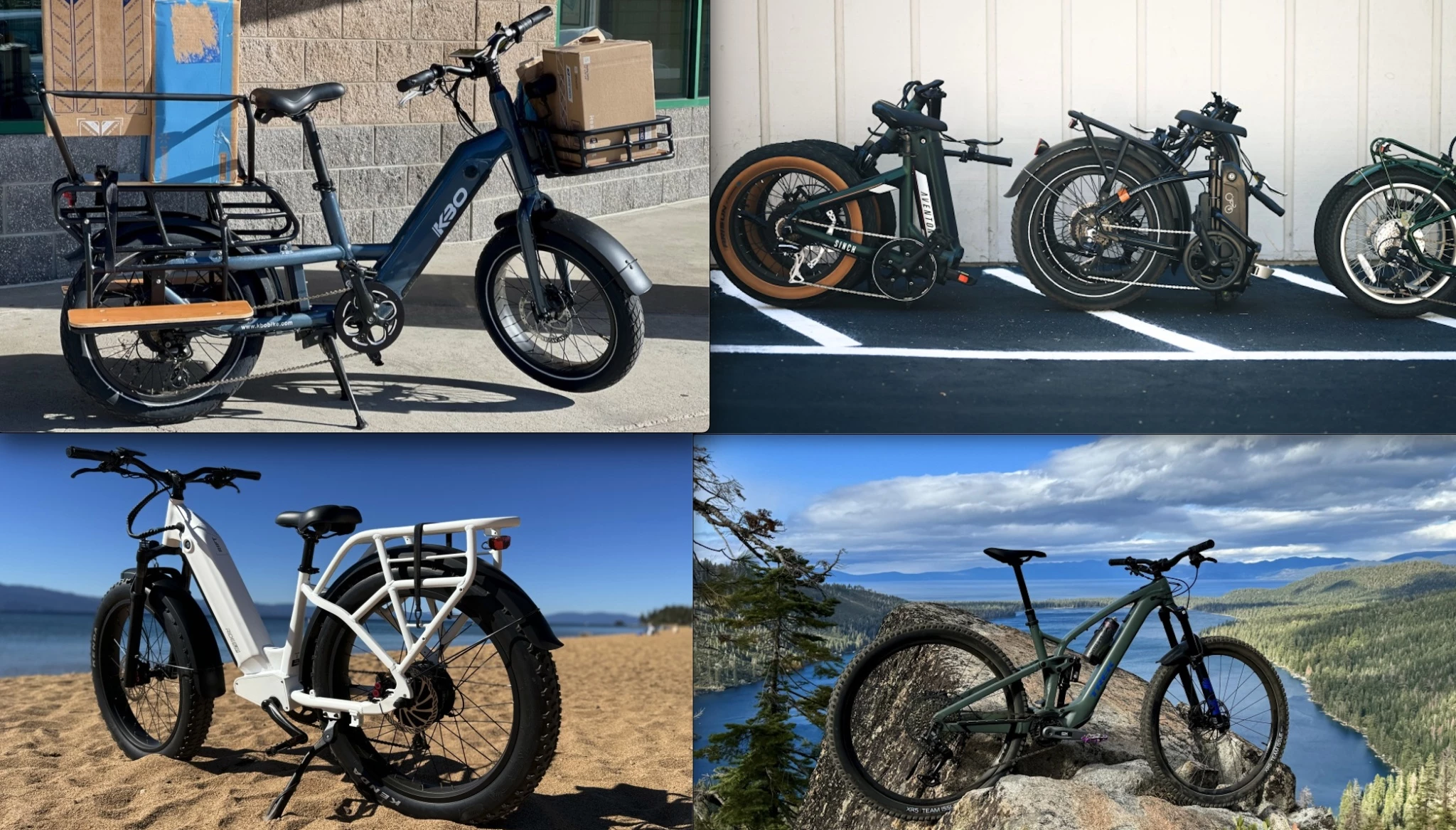
This shift is a key driver in current micro-mobility trends. As last-mile solution technology improves, the barrier to entry decreases while the reliability of lithium-ion battery lifespan increases. You aren't just buying a toy; you are purchasing a high-efficiency transport tool that provides a rapid return on investment.
Operating Costs: Gas Taps vs. Wall Outlets
The most immediate impact on your wallet happens at the pump—or rather, the lack of one. When looking at ebike battery charging vs gasoline cost per mile, the difference is astronomical. Charging an electric bike is so inexpensive it often feels like an arithmetic error. On average, e-bike energy costs remain between $0.003 and $0.01 per mile. In contrast, gas-powered vehicles demand 13 to 15 cents per mile for fuel alone.
"The watt-hour efficiency of an e-bike motor is roughly 20 times higher than the internal combustion engine of a compact car. You are moving a 50-lb machine instead of a 4,000-lb machine."
Maintenance also follows this path of extreme efficiency. Car owners deal with complex drivetrain maintenance, including oil changes, spark plugs, and transmission fluid flushes. An e-bike simplifies this down to chain lubrication, brake pad checks, and tire pressure management. Because you are avoiding these mechanical complexities, commuters who replace frequent short-distance car trips with an electric bike can save an estimated $1,500 to $3,000 annually on fuel, insurance, and maintenance.
| Cost Category | Gas Car (Average Sedan) | Electric Bike ($1,500 Class) |
|---|---|---|
| Fuel / Energy (Yearly) | $1,800 - $2,200 | $15 - $30 |
| Maintenance (Routine) | $1,000 - $1,400 | $100 - $250 |
| Insurance | $1,600+ | $100 - $200 |
| Parking & Tolls | $500 - $2,000 | $0 |
| Total Annual Variable | $4,900 - $7,200 | $215 - $480 |
10-Mile Round Trip ROI Calculator
- Car Operating Cost: $8.20 (Fuel, maintenance spread, parking)
- Ebike Operating Cost: $0.07 (Electricity and wear)
- Daily Gain: $8.13 savings every single workday.

The Hidden Efficiency: Insurance, Depreciation, and Fees
Beyond the daily commute, the ebike vs car annual cost breakdown 2026 reveals "invisible" savings that most people ignore. The largest hidden cost of car ownership is depreciation. A new car typically loses 15% to 20% of its value the moment it leaves the lot. Over the first few years, this vehicle depreciation rates can cost an owner $4,000 to $5,000 annually. E-bikes do depreciate, but the scale is vastly different. A $1,500 bike might lose $400 in value, but that is a drop in the ocean compared to the thousands lost on a car.
Then, consider car insurance savings after switching to ebike. While many e-bike owners choose to get a specific policy for theft or liability, the premiums are an order of magnitude lower than car insurance. In many cities, registration fees and property taxes on vehicles can reach $300 to $600 per year. An e-bike eliminates these bureaucratic costs entirely. Furthermore, the resale value comparison favors the bike in urban markets where demand for micro-mobility is surging. High-quality e-bikes hold their value well because the technology has matured, and buyers recognize the name-brand motors and batteries.
Practical Utility: Can an Ebike Truly Replace Your Car?
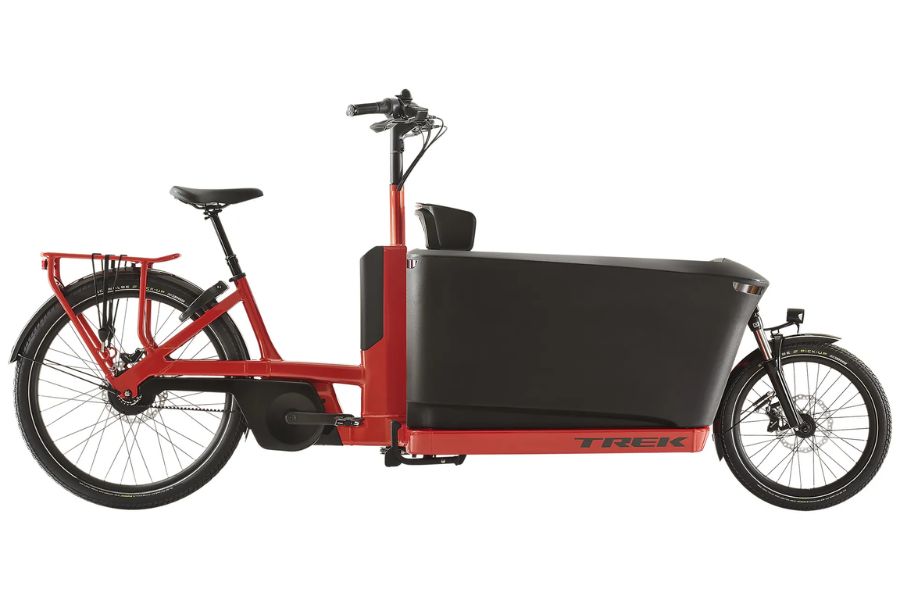
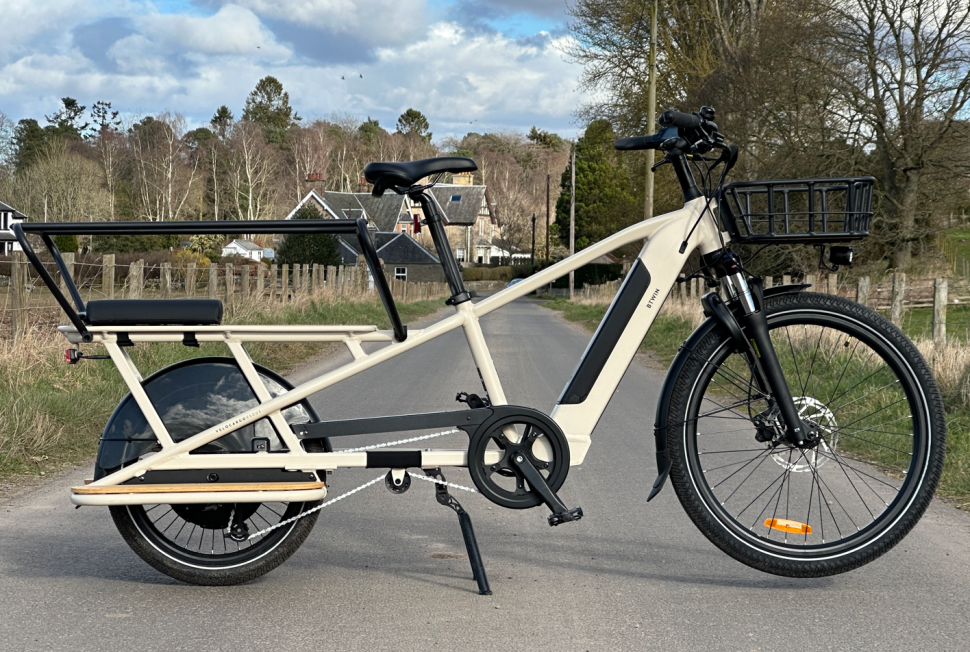
The biggest hurdle for most people isn't the math—it's the utility. Can you really carry your life on two wheels? This is where the best cargo bike for car replacement comes into play. Modern cargo e-bikes are designed with a heavy-duty payload of 375 to 450 lbs, making them capable of handling the "big shop" at the grocery store or the school run.

For families, the cargo ebike for kids and grocery transport cost is a major selling point. Instead of spending $50,000 on a new minivan, a $4,000 front-loader cargo bike can handle the same local duties for a fraction of the price. This is what experts call a "car-light" strategy. You don't necessarily have to sell every car you own, but by replacing 80% of your local trips with a bike, you extend the life of your car and reduce your carbon footprint reduction significantly.
Urban infrastructure is catching up, too. High-traffic cities are investing in protected lanes and bike-friendly parking, reducing the "stress cost" of sitting in traffic. When you look at the total cost of ownership, the time saved by bypassing congestion and finding free parking directly at your destination adds even more value to the bike.
Integrating multi-modal transportation—like taking an e-bike to a train station—further expands your range without the need for a parking garage pass. This versatility proves that for the majority of urban and suburban dwellers, an e-bike isn't just a supplement; it's a superior replacement for the second vehicle.
FAQ
Is it cheaper to own an e-bike than a car?
Yes, dramatically. When you total the costs for insurance, fuel, maintenance, and the initial purchase price, an e-bike costs about 5% to 10% of what a car costs to own and operate annually. You avoid the heavy burden of vehicle depreciation and registration fees that plague car owners.
How much money can you save by commuting with an e-bike?
Most daily commuters save between $6,000 and $9,000 per year depending on their local fuel prices and parking costs. The highest savings are seen by those who replace a car entirely, eliminating the $1,024 average monthly cost of new vehicle ownership identified by AAA.
How long does it take for an e-bike to pay for itself?
For a $1,500 electric bike used as a primary commuter, the payback period is typically 8 to 12 months. This ROI is achieved purely through savings on gasoline, parking fees, and public transit passes, without even factoring in the long-term savings on car insurance and maintenance.
Is an e-bike a realistic alternative to a second car?
Absolutely. Modern cargo bikes have a payload capacity of up to 450 lbs, which is plenty for groceries or transporting two children. Many households find that an e-bike handles 90% of their local errands, allowing them to become a "one-car family" and save thousands in fixed overhead.
How much does e-bike maintenance cost per year?
Annual maintenance usually ranges from $100 to $300. This covers basic tasks like replacing brake pads, chain lubrication, and a professional tune-up once or twice a year. This is significantly less than the $1,000+ car owners spend on oil changes, tires, and mechanical repairs.