Quick Facts
- Primary Cause: Overuse and systemic fatigue in the first three weeks cause the majority of trail-ending issues.
- Injury Rates: According to a 2024 survey, 54% of Appalachian Trail hikers reported an injury, but only 5% had to quit.
- The 500-Mile Rule: Replace footwear every 500 miles to maintain the structural integrity needed to prevent foot pain.
- Weight Limit: Keep your total pack weight under 20% of your body weight to avoid spinal compression and stress fractures.
- The 1-10 Pain Scale: Any pain rated at a 5 or higher, or anything causing a limp, requires an immediate zero day.
- Recovery Protocol: Prioritize a caloric surplus and 1 liter of water every 5 miles to maintain joint lubrication and tissue repair.
Thru-hiking is a marathon of millions of steps. To prevent thru-hiking injuries, you must manage systemic fatigue and training load from day one. Most thru-hiking injuries result from overuse and systemic fatigue during the first few weeks of a trek. Common issues like stress fractures, IT band syndrome, and Achilles tendonitis can be avoided by maintaining a conservative mileage plan, utilizing trekking poles for knee support, and prioritizing regular zero days for muscle recovery. Effective load management involves balancing daily mileage and pack weight with adequate sleep and nutrition.
1. Footwear Fundamentals: Sizing and Replacement
One of the most common mistakes I see in a gear shakedown is a hiker clinging to a pair of boots that fits perfectly in their living room but will be a nightmare in the Smokies. Your feet will swell significantly after days of high-impact movement. When choosing the right trail runners to prevent foot pain, I recommend buying at least 1.0 to 1.5 sizes larger than your standard street shoe. This prevents your toes from smashing into the front of the shoe during steep descents, which is a leading cause of lost toenails.
Beyond sizing, you must respect the lifespan of your gear. Modern trail runners are designed for agility, not eternal life. Most midsoles lose their dampening ability after 400 to 500 miles, even if the tread looks fine. When the foam compresses, your biomechanics shift, leading to plantar fasciitis or shin splints. If you prefer traditional footwear, knowing how to break in hiking boots for a thru-hike is essential—don't wait until Springer Mountain to find out the leather is too stiff. Walk at least 50 miles in them at home, including some weighted miles, to ensure the boot and your foot have reached an agreement.

These thru-hike foot care tips are the first line of defense against secondary compensation. When your feet hurt, you change your gait. When you change your gait, you strain your hips and knees. It’s a domino effect that often starts with a shoe that has simply done its time.
2. Master the ‘8-10-15’ Graduated Mileage Rule
The most dangerous thing on the trail during the first week isn't a bear or a rattlesnake—it’s the "Hero Syndrome." This is the irresistible urge to keep up with faster hikers or hit 20-mile days right out of the gate. Research indicates that thru-hikers who do not undergo pre-hike training are nearly three times more likely to report a musculoskeletal injury compared to those who do. Even if you are fit, your tendons and ligaments take longer to adapt to weight-bearing stress than your lungs do.
The 8-10-15 rule is one of the most effective backpacking injury prevention strategies you can implement. It forces a conservative training load management that allows your body to harden gradually.
| Timeline | Daily Mileage Goal | Primary Focus |
|---|---|---|
| Week 1 | 8 - 10 miles | Tendon adaptation and pack adjustment |
| Week 2 | 10 - 12 miles | Routine building and caloric intake |
| Week 3 | 12 - 15 miles | Increasing pace and building "trail legs" |
| Week 4+ | 15+ miles | Sustained endurance and steady progress |
By planning zero days for effective muscle recovery during these first few weeks, you allow the micro-tears in your muscle fibers to heal and your nervous system to recover from the shock of the trail. Taking a day off in a trail town early on isn't a sign of weakness; it’s a tactical decision to prevent thru-hiking injuries that could end your trek before you’ve even crossed a state line.
3. High-Performance Foot Care: Blister Prevention
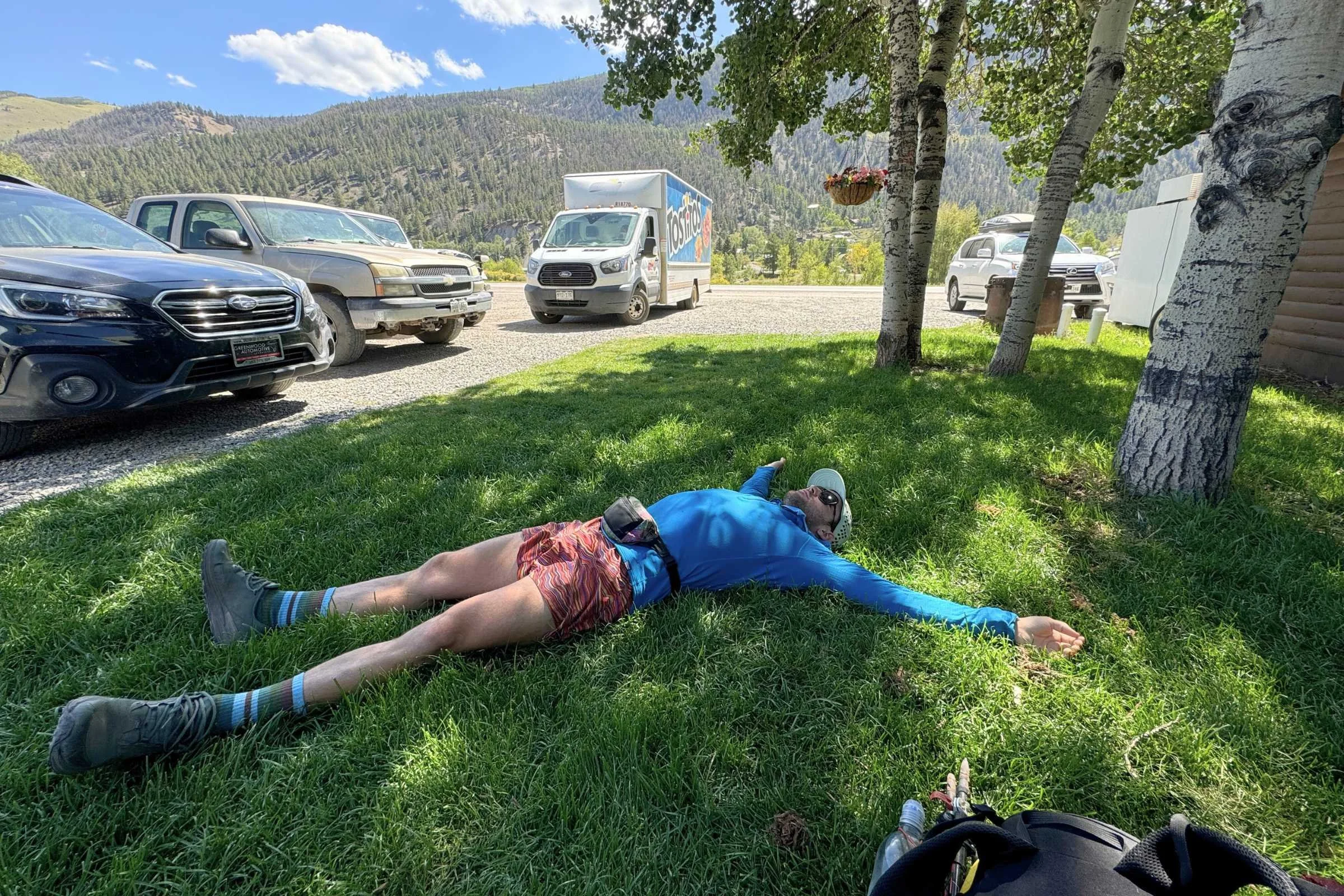
Blisters are often viewed as a rite of passage, but they are actually a preventable bio-mechanical failure. Foot care is a primary pillar of injury prevention because it stops secondary compensation. Addressing hot spots and blisters immediately prevents gait adjustments or limping, which often lead to more serious hip and knee issues.
I advocate for a proactive duty-cycle of foot care. This means you do not wait until you feel a "burn." Practice these thru-hike foot care tips for preventing blisters every single day:
- Identify Hot Spots: The moment you feel friction or heat, drop your pack and take your shoes off.
- Prophylactic Taping: Cover the area with Leukotape or Kinesio tape before a blister forms. These adhesives are trail-tested and won't roll off like standard bandages.
- Mid-day Dry Outs: Every time you stop for water or lunch, take your socks off. Exposure to air reduces the moisture that weakens the skin.
- Liner Socks: Consider using a dual-layer sock system to move the friction away from your skin and onto the fabric.
Maintaining foot hygiene is not just about comfort; it is about preventing infections and skin irritation that can force a change in your gait. A simple blister can turn into a cellulitis infection or cause you to favor one side of your body, leading to IT band syndrome or Achilles tendonitis on the opposite leg.
4. Mechanical Advantage: Poles and Load Management
Many hikers feel that trekking poles are "extra weight," but the data suggests otherwise. Studies show that using trekking poles for knee support can reduce the impact on your joints by up to 25%, particularly during steep descents where the force on your knees can be several times your body weight. They essentially act as a second set of legs, distributing the load to your upper body and providing stability on uneven terrain.
Equally important is maintaining a safe backpack weight for long distance hiking. A heavy pack shifts your center of gravity and places immense pressure on your lower back and knees. The goal is "Total Base Weight" (everything minus food and water) under 15-20 pounds for most hikers. A study of over 2,200 long-distance hikers found that 28% of respondents reported chronic overuse injuries like tendonitis or stress fractures. Carrying a pack that exceeds 20% of your body weight significantly increases these risks.
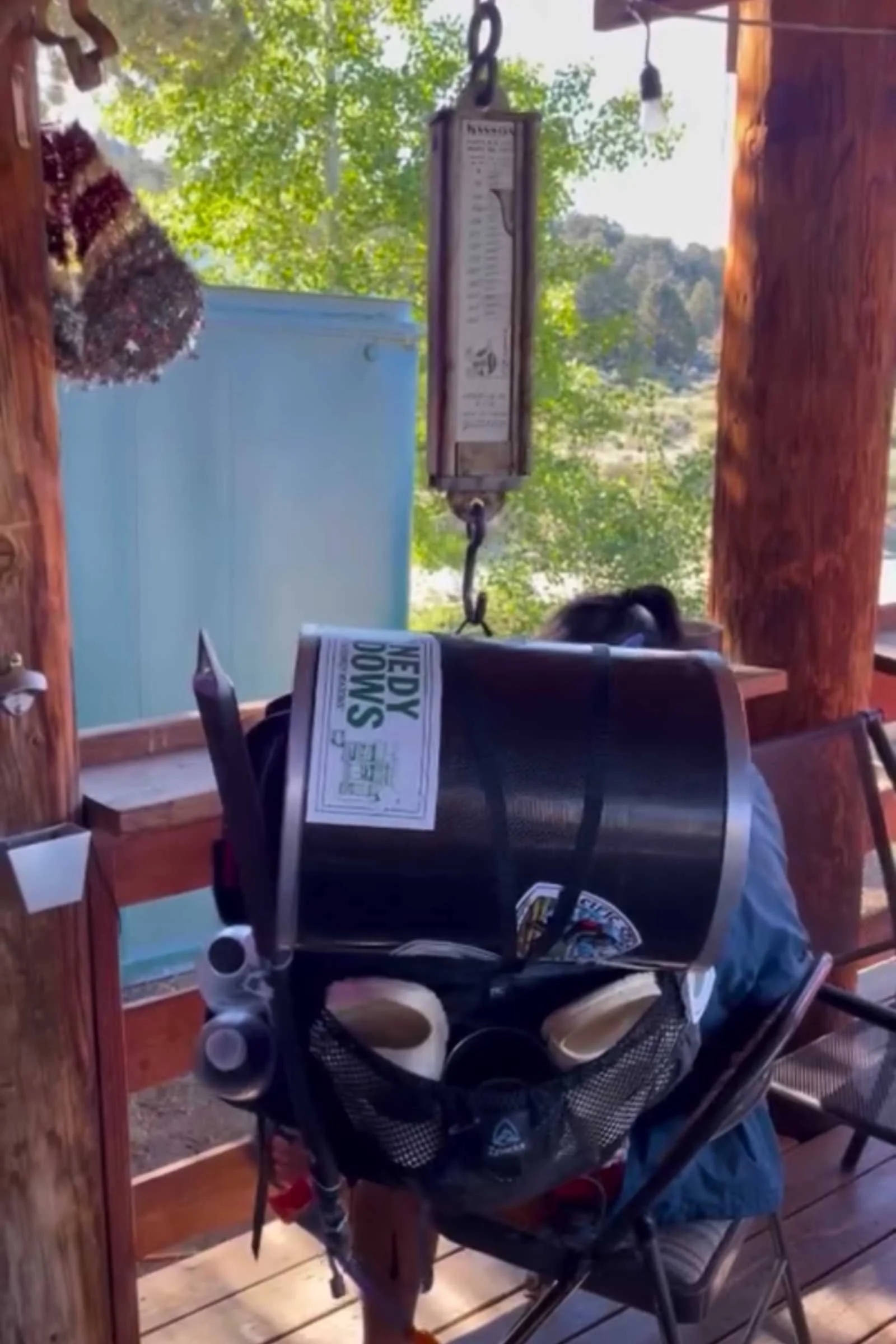
If you find your pack is too heavy, perform a shakedown at the next town. Send home the "just in case" items. Your knees will thank you at the 1,000-mile mark.
5. Pain Calibration: When to Take a Break
The "No Pain, No Gain" mantra has no place on a thru-hike. You need to learn how to avoid overuse injuries while backpacking by listening to the specific signals your body sends. Every hiker will experience "trail soreness"—that general ache in the feet and calves that dissipates once you get moving in the morning. However, localized, sharp, or persistent pain is an injury, not soreness.
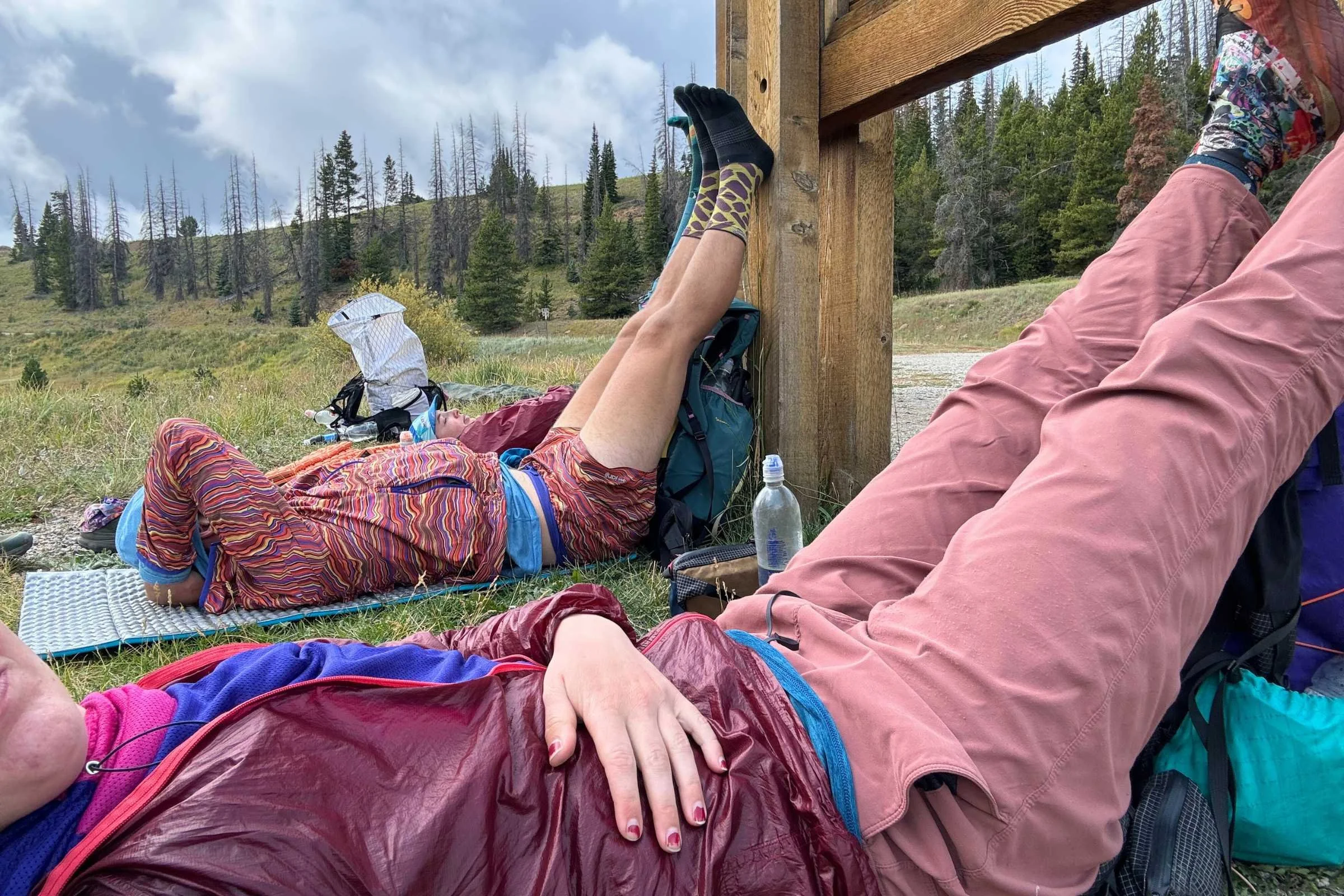
Monitor your pain levels on a scale of 1 to 10. Anything under a 3 is usually a normal part of the process. However, any persistent pain over a 5 or any discomfort that causes a limp necessitates immediate rest or a management plan. If you find yourself adjusting your stride to avoid pain, you are inviting a secondary injury. This is the time for planning zero days for effective muscle recovery. Use these days for active recovery: light stretching, foam rolling (if available), and maintaining blood flow without the impact of miles.
6. Maintenance & 2026 Trail Safety Alerts
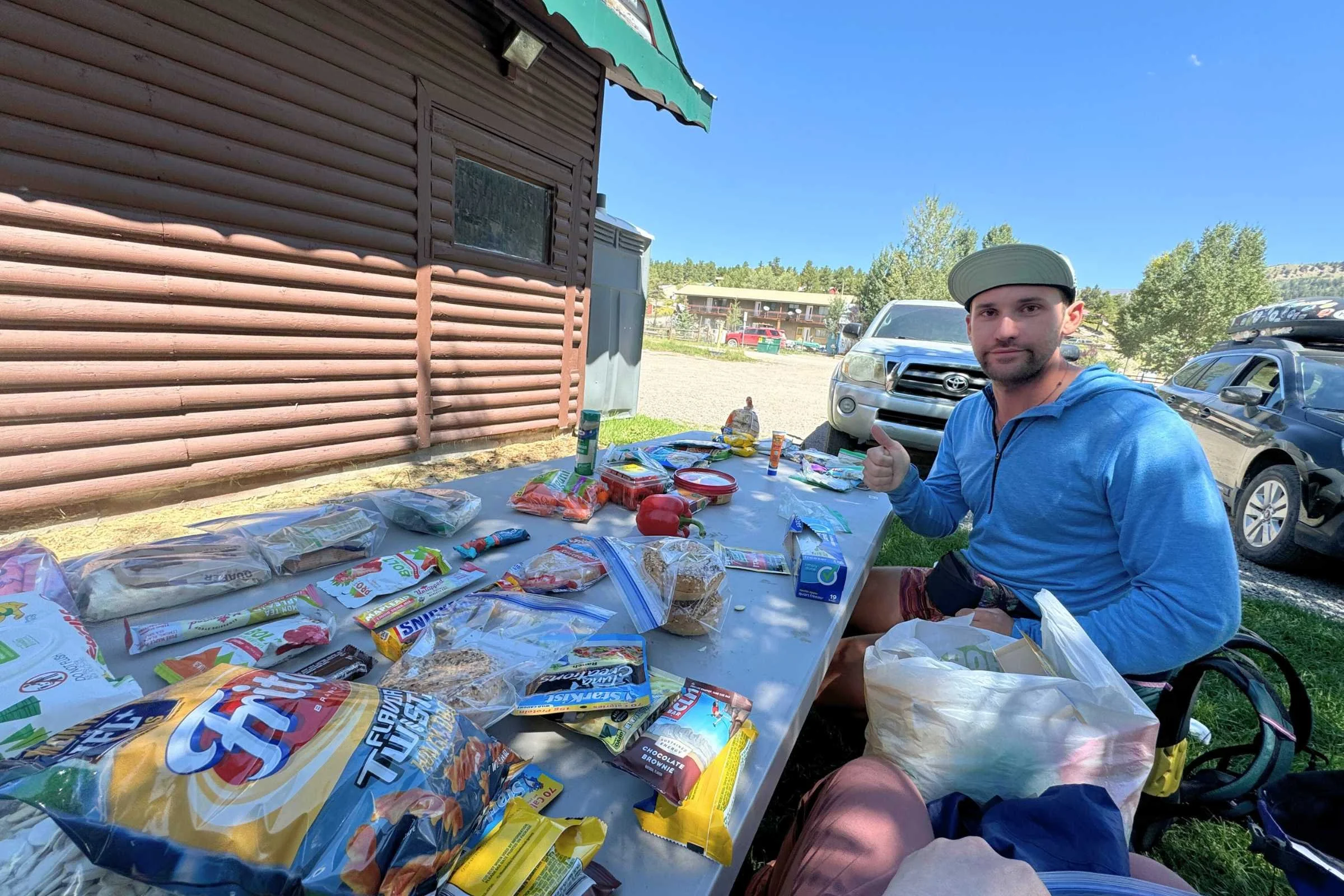
Active recovery on the trail requires maintaining hydration and a caloric surplus to support tissue repair. Proper hydration facilitates joint lubrication and muscle recovery, while liquid calories and protein intake help manage the high inflammation response of long-distance hiking. Aim for at least one liter of water for every five miles hiked, more in high heat, and ensure you are replacing electrolytes to prevent cramping and systemic fatigue.
2026 Trail Alert: Hurricane Recovery Due to the catastrophic impacts of recent storms, several key sections of the Appalachian Trail are currently under management. Specifically, exercise extreme caution near the Chestoa Bridge and the Virginia Creeper Trail. These areas have seen significant washouts and unstable terrain. Using these detours properly is vital to avoid acute injuries such as sprains. Do not attempt to cross "closed" or damaged bridges, as they may have structural failures that are not visible to the naked eye.

Finally, remember that "hiker hunger" is your body’s way of saying it has run out of its own storage. By the time you feel ravenous, you are already in a deficit. Maintain a steady intake of fats and proteins throughout the day to keep your inflammation response in check.
15 Pro Tips to Prevent Thru-Hiking Injuries
- Step away from the "Hero" mentality: start slow and let your tendons harden.
- Upsize your footwear by at least one full size to accommodate swelling.
- Replace your shoes every 500 miles, regardless of how the tread looks.
- Pre-hike training is non-negotiable; start walking weighted miles 2 months before your start date.
- Use trekking poles consistently to offload pressure from your knees and back.
- Target a base weight under 20% of your body mass.
- Tape hot spots immediately—never "push through" a burning sensation on your feet.
- Air out your feet and change your socks at every lunch break.
- Follow a graduated mileage plan (the 8-10-15 rule).
- Listen to your biomechanics: if you are limping, you are already injured.
- Hydrate aggressively: 1L per 5 miles is the trail standard for joint health.
- Maintain a caloric surplus to give your body the building blocks for tissue repair.
- Take strategic "Zero Days" every 7-10 days to lower systemic inflammation.
- Stretch your calves and hamstrings daily to prevent plantar fasciitis and lower back pain.
- Pay attention to 2026 trail detours; unstable terrain and hurricane-damaged paths are prime spots for acute sprains.
FAQ
What are the most common thru-hiking injuries?
The most common thru-hiking injuries are overuse conditions caused by the repetitive impact of millions of steps. These include IT band syndrome (knee pain), Achilles tendonitis, plantar fasciitis, and stress fractures in the feet or shins. While acute injuries like sprained ankles occur, they only make up about 18% of reported trail injuries.
How can I prevent knee pain while thru-hiking?
Knee pain is usually linked to two factors: pack weight and descending technique. You can prevent knee pain by reducing your pack weight, using trekking poles to absorb impact, and strengthening your glutes and quads through pre-hike training. Additionally, taking smaller steps on steep descents reduces the eccentric load on the knee joint.
Do trekking poles help prevent hiking injuries?
Yes, trekking poles are one of the most effective tools for injury prevention. They provide two additional points of contact for balance, reducing the risk of acute sprains, and can reduce the force on your knees by as much as 25% on downhill slopes. They also help maintain an upright posture, which prevents lower back strain.
How do I avoid getting blisters on a long hike?
Avoiding blisters requires a combination of moisture management and friction reduction. Use moisture-wicking synthetic or wool socks, dry your feet during breaks, and address hot spots immediately with specialized tape like Leukotape. Ensuring your shoes are sized correctly to prevent toes from rubbing is also critical.
How much weight should I carry to prevent back injury?
To prevent spinal compression and common thru-hiking injuries related to the back, your total pack weight should generally not exceed 20% of your body weight. For many hikers, a base weight of 15-18 pounds is considered the "sweet spot" for balancing comfort on the trail with the necessary gear for safety.