Quick Facts
- Spray Efficacy: Wildlife research shows bear spray has a 92% success rate in deterring aggressive behavior, significantly higher than the efficacy of firearms.
- Chase Speed: A grizzly can reach a sprint speed of 35 mph, meaning they can cover a 100-yard distance in roughly 7 seconds.
- Tool Standards: Effective deterrents must be EPA-registered, containing at least 7.9 oz of spray with 1-2% Capsicum and a minimum 30-foot range.
- Conflict Data: Montana wildlife officials recorded 171 investigated human-grizzly bear conflicts in 2025, a steep rise from the 126-incident annual average seen over the previous decade.
- Legal Standard: Montana state law and federal guidelines permit lethal force only when a human life is at immediate, verifiable risk.
- Survival Strategy: Playing dead is the primary defense for a grizzly charge, while fighting back is reserved exclusively for predatory black bear attacks or rare predatory grizzlies.
As grizzly populations expand across the Greater Yellowstone Ecosystem, understanding grizzly bear safety is no longer optional for backcountry travelers. Recent encounters in Montana illustrate the thin line between a controlled sighting and a life-threatening charge. To ensure grizzly bear safety, hikers must recognize defensive behaviors like huffing or jaw clacking. If a defensive bear charges, experts recommend using bear spray or playing dead by lying flat on your stomach and covering your neck. Identifying yourself as human by speaking calmly can help the bear categorize you as a non-prey threat.
Montana self-defense regulations regarding grizzly bears permit the use of lethal force if a human life is at immediate risk. Because grizzlies are listed as threatened under the Endangered Species Act, any killing is investigated by state and federal authorities to confirm it was a justifiable defensive action taken during a high-pressure encounter. Preventing grizzly bear charges involves maintaining high situational awareness and avoiding areas with carcasses or fresh bear sign. Carrying bear spray in an accessible holster is more effective than keeping it in a pack. Additionally, making noise while traveling and using bear-resistant containers prevents bears from becoming habituated or food-conditioned.
Analyzing the 2025 Montana Self-Defense Incident
The landscape of the American West is shifting. While conservation efforts have successfully bolstered numbers of the apex predator, the overlap between human recreation and grizzly territory has created a volatile friction point. In May 2025, Montana wildlife officials classified a grizzly bear mortality north of Choteau as a defense of life incident after two mushroom hunters were charged at close range. This case, along with a similar encounter involving a shed hunter near Dupuyer, highlights the necessity of situational awareness for bear country.
In the Choteau incident, the hunters were operating in thick brush when they surprised a bear at less than 30 feet. Surprise is the most common trigger for a charge. When the bear is startled, its biological imperative is to neutralize the perceived threat. While both hunters were armed and used firearms to protect themselves, the investigation by Montana Fish, Wildlife & Parks was rigorous. Under the Endangered Species Act, any lethal action against a grizzly is treated as a major event. Investigators must determine if the bear was truly acting as an aggressor and if the humans involved had exhausted non-lethal options or faced a situation where lethal force was the only remaining choice.
According to records from state agencies, there were 171 investigated human-grizzly bear conflicts in the Montana portion of the Greater Yellowstone Ecosystem during 2025. This rise in numbers, compared to a ten-year average of 126 conflicts, points to more bears moving into "front-country" areas—places where they are increasingly likely to encounter people who may not be prepared for a high-intensity meeting. The regulatory environment also transitioned in 2025 following the dismantling of the Interagency Grizzly Bear Committee (IGBC), shifting more direct management and investigative responsibility to state-level officials. This change places a heavier burden on the individual hiker to understand and follow montana grizzly bear self defense regulations as they navigate these wild spaces.
Behavioral Decoder: Defensive vs. Predatory Response
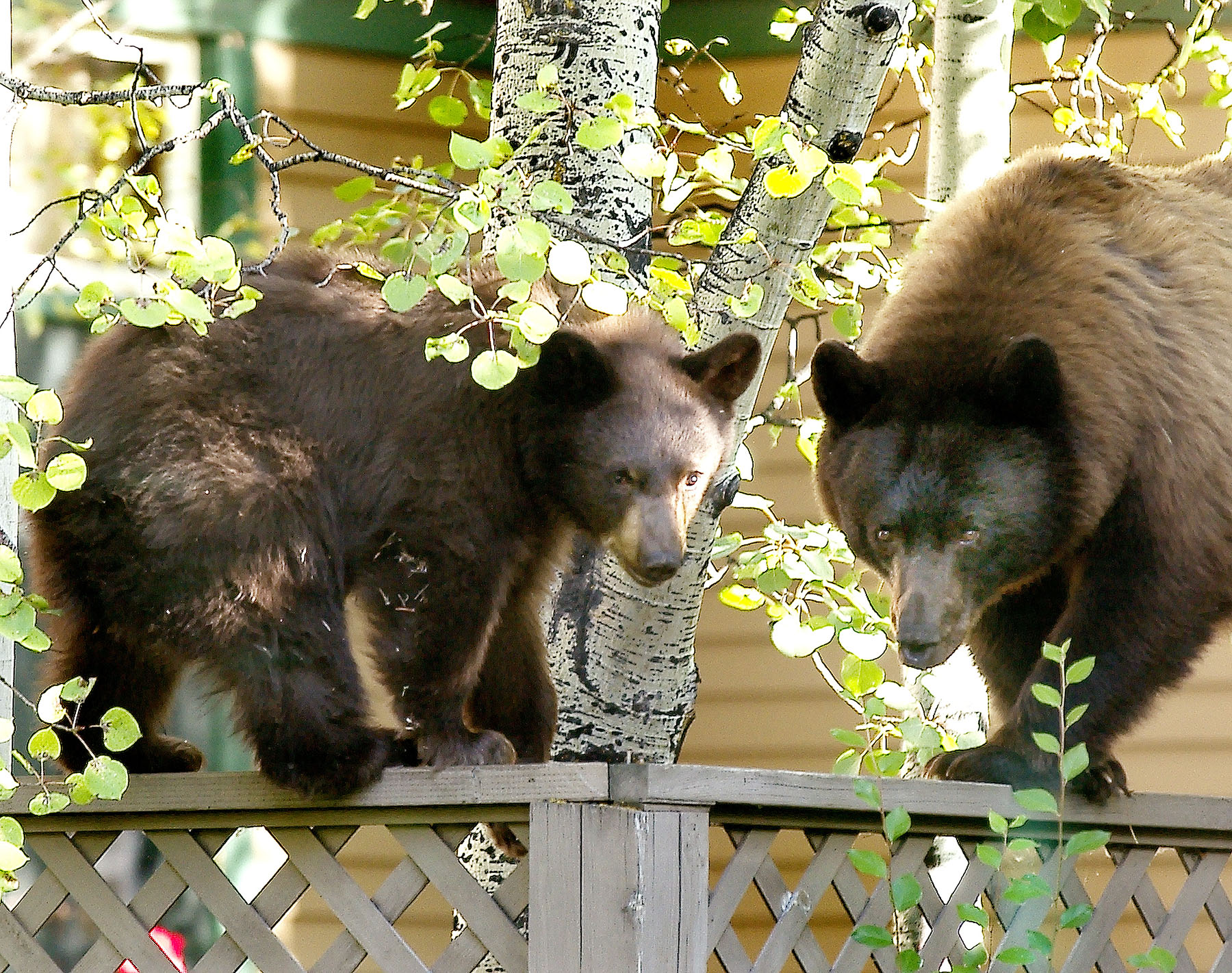
Surviving an encounter starts long before you reach for your holster. It begins with your ability to read the bear’s body language. Most grizzly encounters are defensive. The bear is not hunting you; it is reacting to you. Knowing how to identify defensive grizzly bear behavior can save your life because the response for a defensive bear is the polar opposite of the response for a predatory one.
A defensive bear will often show signs of stress before it charges. Look for jaw clacking—a loud, rhythmic clicking of the teeth—and low-frequency huffing. The bear may also swing its head from side to side or flatten its ears. These are warnings. In many cases, a grizzly will initiate a Bluff charge, where they run toward you but stop short or veer off at the last second. This is an attempt to intimidate you into leaving its space.
Critical Safety Tip: Never run from a bear. Running triggers a predatory chase response that is almost impossible to stop. Stand your ground, speak in a firm, calm voice, and slowly back away only when the bear is stationary.
If the bear is silent, has its ears cocked forward, and appears to be following or "stalking" you, the behavior may be predatory. While rare for grizzlies, this requires a completely different bear encounter safety protocols approach. In a predatory situation, you must be aggressive, make yourself look large, and never play dead. You are the prey in its eyes, and you must prove you are not an easy target.
| Behavior Type | Bear's Physical Signals | Human Response Protocol |
|---|---|---|
| Defensive | Huffing, jaw clacking, ears back, bluff charges. | Speak calmly, stand ground, use bear spray if it charges. |
| Predatory | Silent, ears forward, intent staring, following. | Be aggressive, shout, use deterrents early, fight back if attacked. |
Understanding the difference between grizzly and black bear encounter response is vital. While you should never run from either, you should always fight back against a black bear. With a grizzly, your goal is typically to show you are not a threat by being passive during a defensive physical contact.
Tooling for Survival: Bear Spray vs. Firearms
When a bear charges at 35 mph, you have seconds to act. The debate between bear spray vs firearms for grizzly defense is often emotional, but the statistics gathered by wildlife biologists lean heavily in one direction. A study of human-bear encounters conducted by wildlife biologist Thomas Smith found that bear spray was effective at deterring aggressive grizzly behavior in 92% of cases. Conversely, individuals who chose to use firearms to defend themselves suffered injuries in approximately 40-50% of their encounters.
The reason for this disparity is simple: physics and physiology. To stop a charging grizzly with a firearm, you must hit a small, moving target—the brain or the central nervous system—while under extreme duress. A non-lethal shot may actually increase the bear's aggression. Bear spray, however, creates a massive expanding cloud of capsaicin that affects the bear’s respiratory system and vision. It is an area-of-effect weapon that does not require the same level of surgical precision.
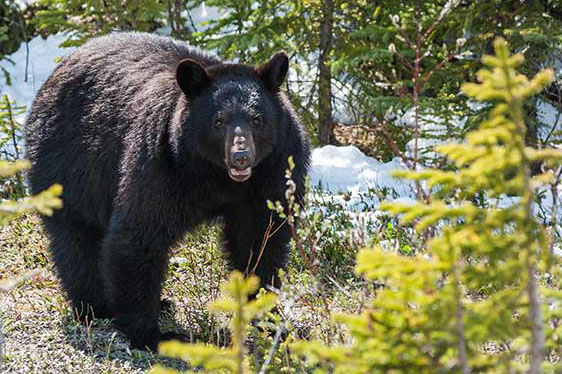
When selecting tooling, prioritize Non-lethal deterrents first. If you carry a firearm, it should be as a secondary backup, not a primary replacement. Furthermore, the accessibility of the tool determines its utility. A can of spray buried in a backpack is useless. It must be in a holster on your belt or chest, where it can be drawn in less than two seconds.
Scenario-Response Logic
- IF the bear is 30-50 feet away and charging: THEN deploy a 2-3 second burst of spray slightly downward in front of the bear to create a wall of protection.
- IF the bear continues through the cloud and makes contact: THEN drop to the ground, lie flat on your stomach, clasp your hands behind your neck, and spread your legs to make it harder for the bear to flip you over.
Backcountry Infrastructure: Preventing the Encounter
The most successful bear encounter is the one that never happens. Preventing grizzly bear charges relies on a set of habits that minimize the chance of a surprise meeting or an attractant-based visit.
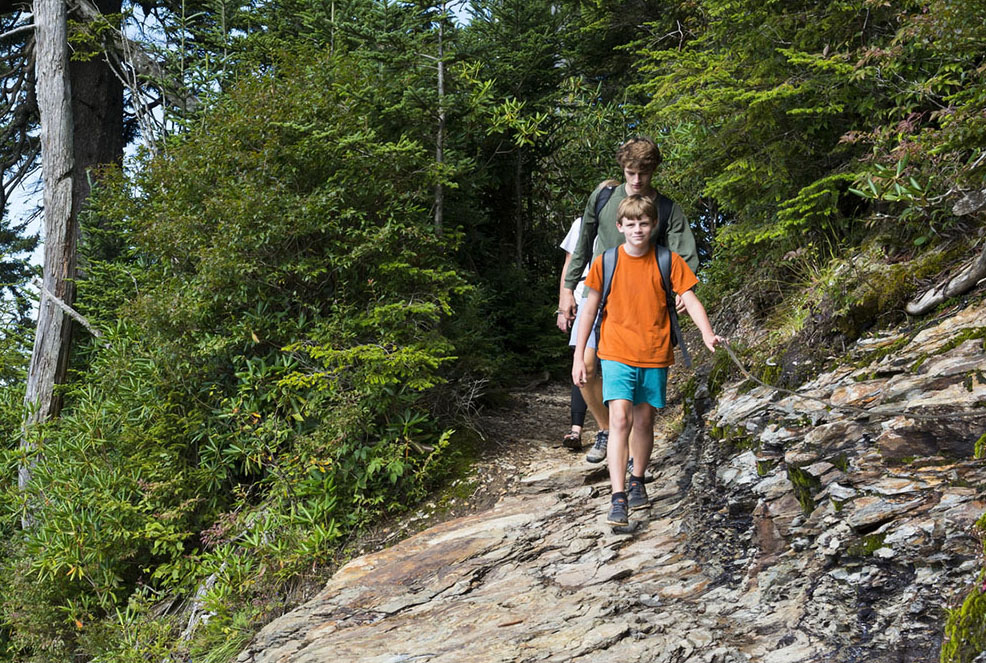
First, consider the power of noise. Grizzlies generally want to avoid you as much as you want to avoid them. By talking loudly, singing, or calling out "Hey Bear!" when move through dense brush or near rushing water, you eliminate the element of surprise. This is especially true for those following backcountry camping bear safety tips.
When setting up camp, the 100-yard triangle rule is the gold standard for safety:
- Sleep: Keep your sleeping area at one point of the triangle.
- Cook/Eat: Set up your kitchen 100 yards away from your tent, downwind.
- Store: Hang your food or keep it in Bear-resistant containers another 100 yards away from both the sleep and eat zones.
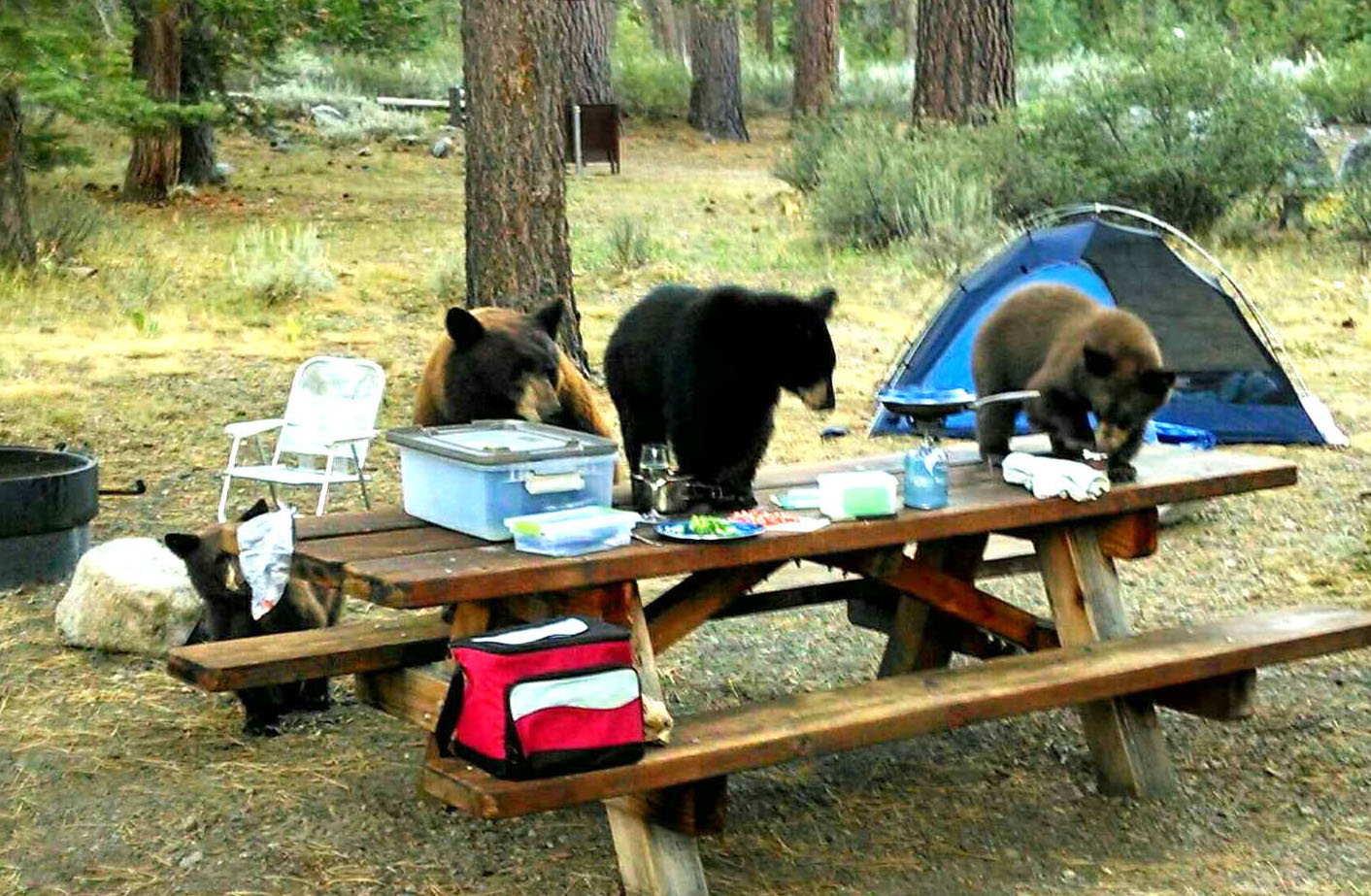
This layout ensures that if a bear is drawn to the smell of your dinner, it is not led directly to your tent. Managing Food conditioning is the responsibility of every camper. Once a bear associates humans with food, a process called Habituation begins. This almost always leads to the bear being euthanized by wildlife officials later. Proper storage isn't just about your safety; it's about the survival of the species.
FAQ
What should you do if a grizzly bear charges at you?
You should stand your ground and prepare to use your bear spray. Do not run. As the bear closes the distance to about 30 feet, spray a continuous cloud between you and the bear. If the bear continues and makes physical contact, drop to the ground immediately, lie flat on your stomach, and cover the back of your neck with your hands. Remain as still as possible until you are certain the bear has left the area.
Does bear spray effectively stop a grizzly bear attack?
Yes, bear spray is highly effective. Data shows it stops aggressive behavior in about 92% of recorded encounters. It works by causing a temporary but intense inflammatory response in the bear's eyes, nose, and lungs, which usually forces the animal to retreat without permanent injury to the bear or the human.
How can you distinguish between a grizzly bear and a black bear?
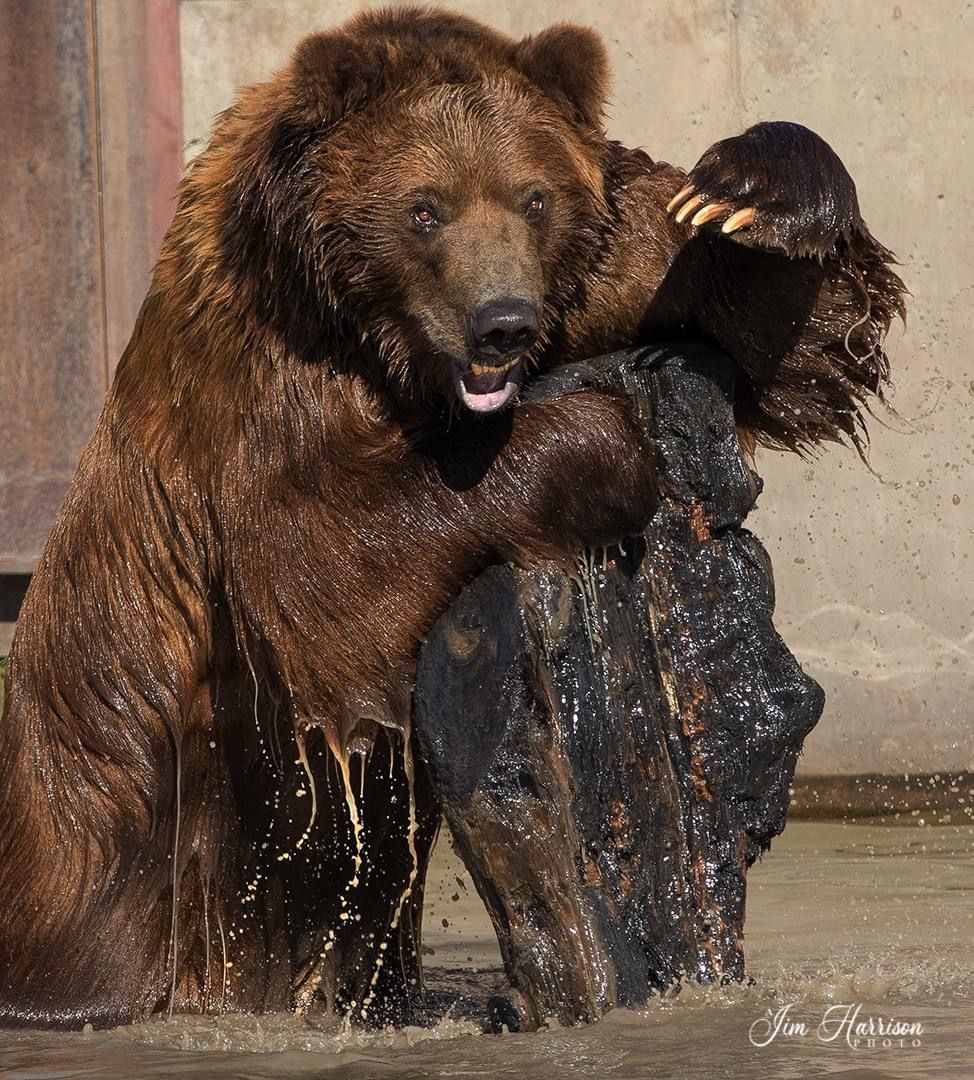
The most reliable physical markers for a grizzly bear are a prominent shoulder hump (a mass of muscle for digging) and a "dished" or concave facial profile. Their ears are smaller and more rounded compared to the larger, more pointed ears of a black bear. Additionally, grizzly claws are much longer (2-4 inches) and often visible from a distance, whereas black bear claws are shorter and better suited for climbing trees.
Should you play dead or fight back during a grizzly bear attack?
For a defensive grizzly attack (the most common type), you should play dead. This signals to the bear that you are no longer a threat, causing it to typically leave the scene. You should only fight back if the grizzly attack is predatory—meaning the bear is stalking or hunting you—or if a black bear attacks you. In those rare predatory instances, use any tools available to strike the bear's face and muzzle.
What are the best ways to prevent a grizzly bear encounter?
The best prevention strategies include making plenty of noise while hiking to avoid surprising a bear, traveling in groups of three or more, and staying alert for signs of bear activity like fresh tracks, scat, or overturned logs. In camp, always use bear-resistant containers and follow the 100-yard triangle rule to keep food odors away from your sleeping area.