Quick Facts
- Top Survival Choice: Personal Locator Beacon (PLB) for pure reliability and maximum signal strength.
- Best for Communication: Satellite messengers like the Garmin inReach for active status check-ins and non-emergency notes.
- No Subscription: PLBs provide life-saving distress signals with zero monthly fees after the initial purchase.
- Battery Life: PLBs feature a 5 to 7 year standby life compared to the 2 to 14 days of active usage for messengers.
- Global Network: PLBs utilize the government-funded COSPAS-SARSAT system while messengers rely on private constellations like Iridium.
- Power Output: A PLB transmits at 5 watts, while most satellite messengers transmit at roughly 1.6 watts.
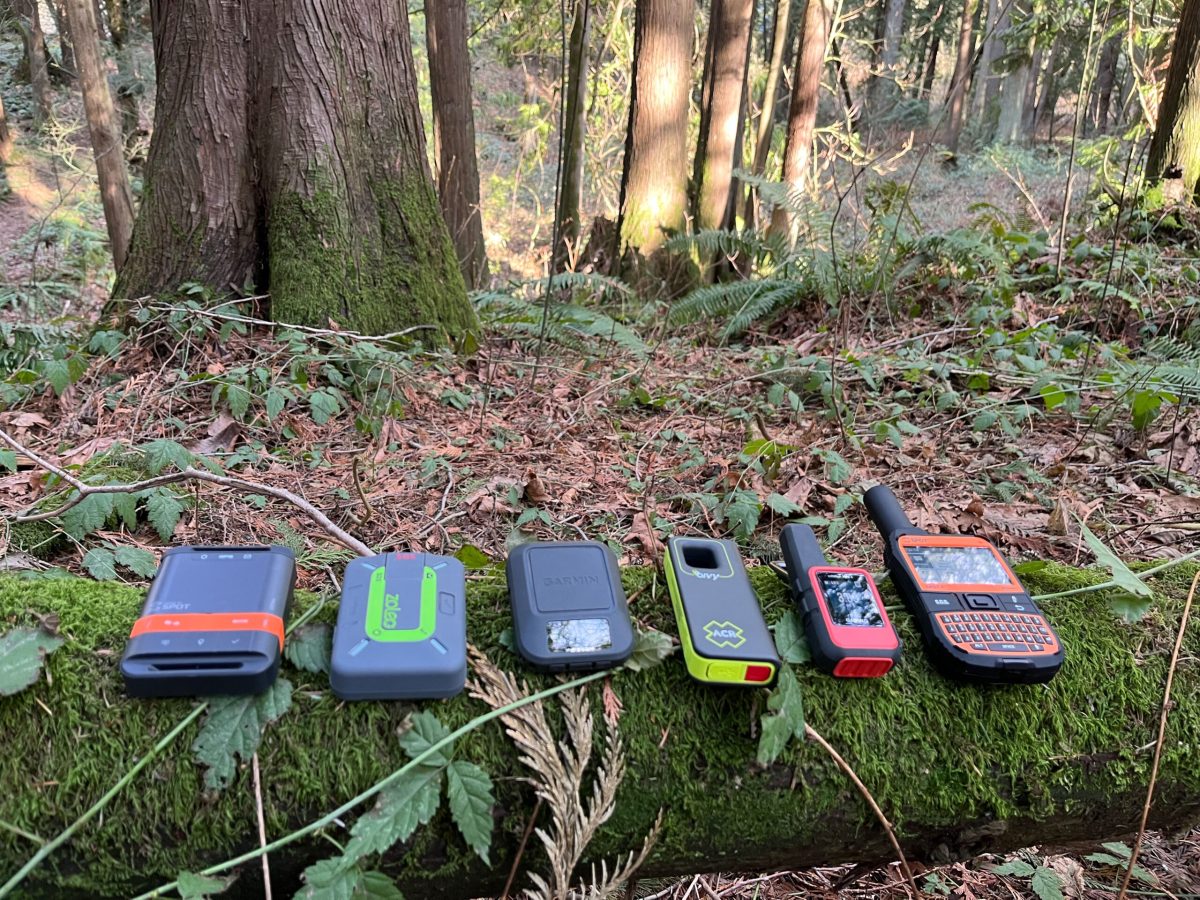
When you're deep in the backcountry and things go wrong, the choice between a plb vs satellite messenger could be the most important decision you ever make. A Personal Locator Beacon (PLB) is a subscription-free device that uses the global cospas-sarsat government satellite network to send a high-powered, one-way emergency distress signal on the 406 mhz distress frequency. In contrast, satellite messengers utilize private commercial networks like Iridium to offer two-way text messaging, GPS tracking, and check-in features, but require a recurring monthly or annual subscription fee to function.
Understanding the Basics: One-Way SOS vs. Two-Way Connection
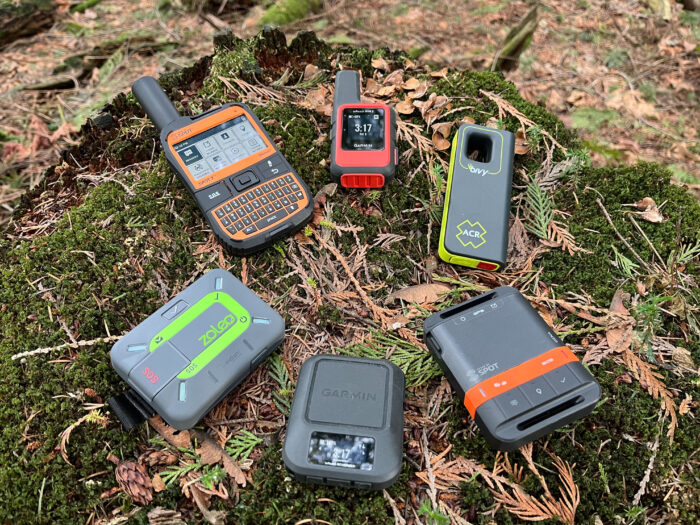
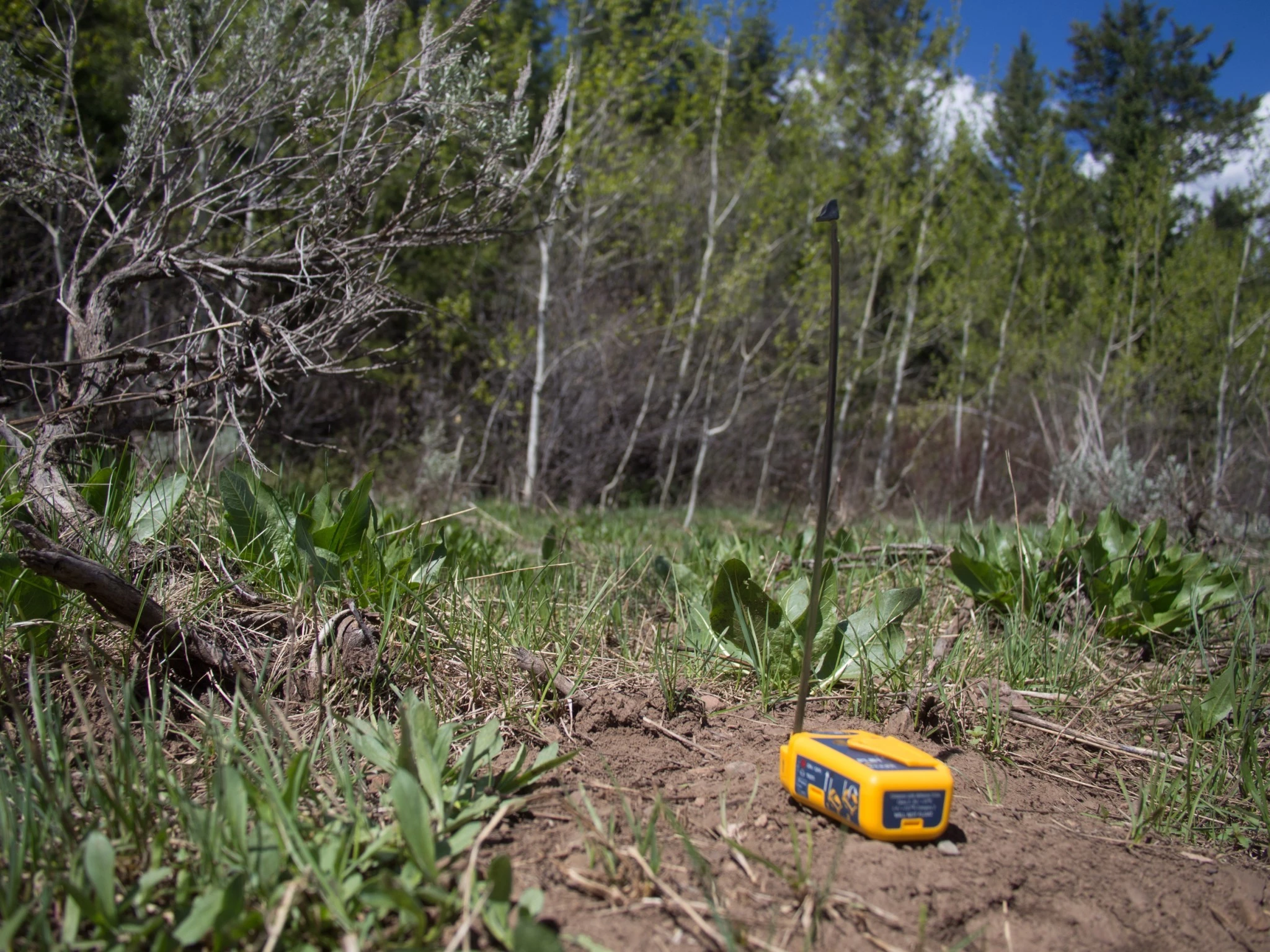
At its core, a PLB is an electronic flare. It is designed for one specific purpose: to summon professional help when life is in immediate danger. When you activate a PLB, it sends an incredibly powerful signal directly to a network of government satellites. Because these devices are built for survival rather than convenience, Personal Locator Beacons (PLBs) transmit distress signals at a power of 5 watts, which is significantly higher than the approximately 1.6 watts typically used by satellite messengers. This power allows the signal to punch through heavy forest canopy and deep canyons more effectively than lower-powered devices.
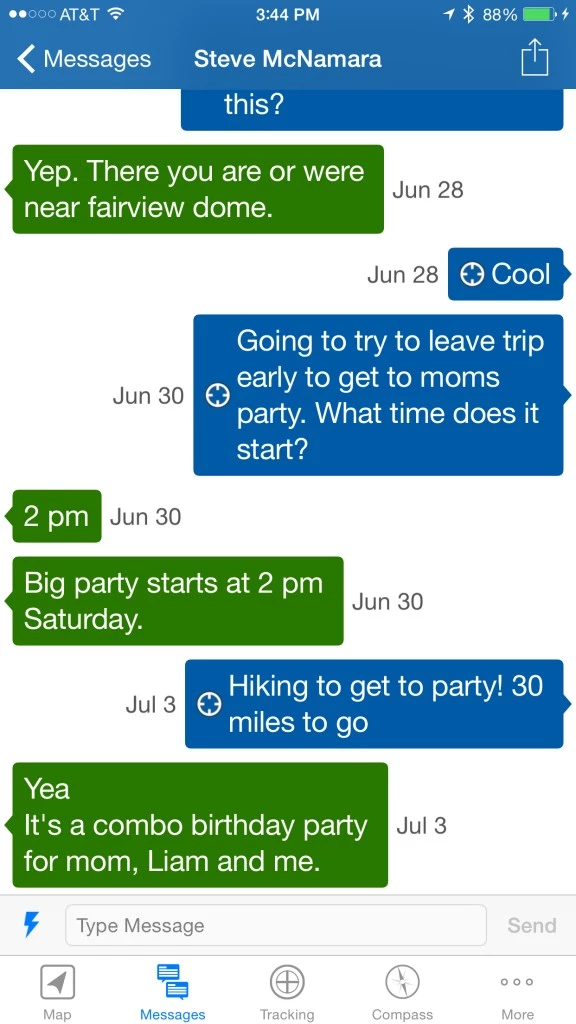
Satellite messengers, on the other hand, are more like wildphones. They facilitate two-way communication, allowing you to tell Search and Rescue (SAR) teams exactly what the problem is—whether it is a broken leg, a heart attack, or a lost hiker. This capability is why two way satellite messaging versus one way emergency sos beacons matters for rescue psychology. Knowing that a response center has received your signal and that help is on the way can drastically reduce panic in a survival situation.
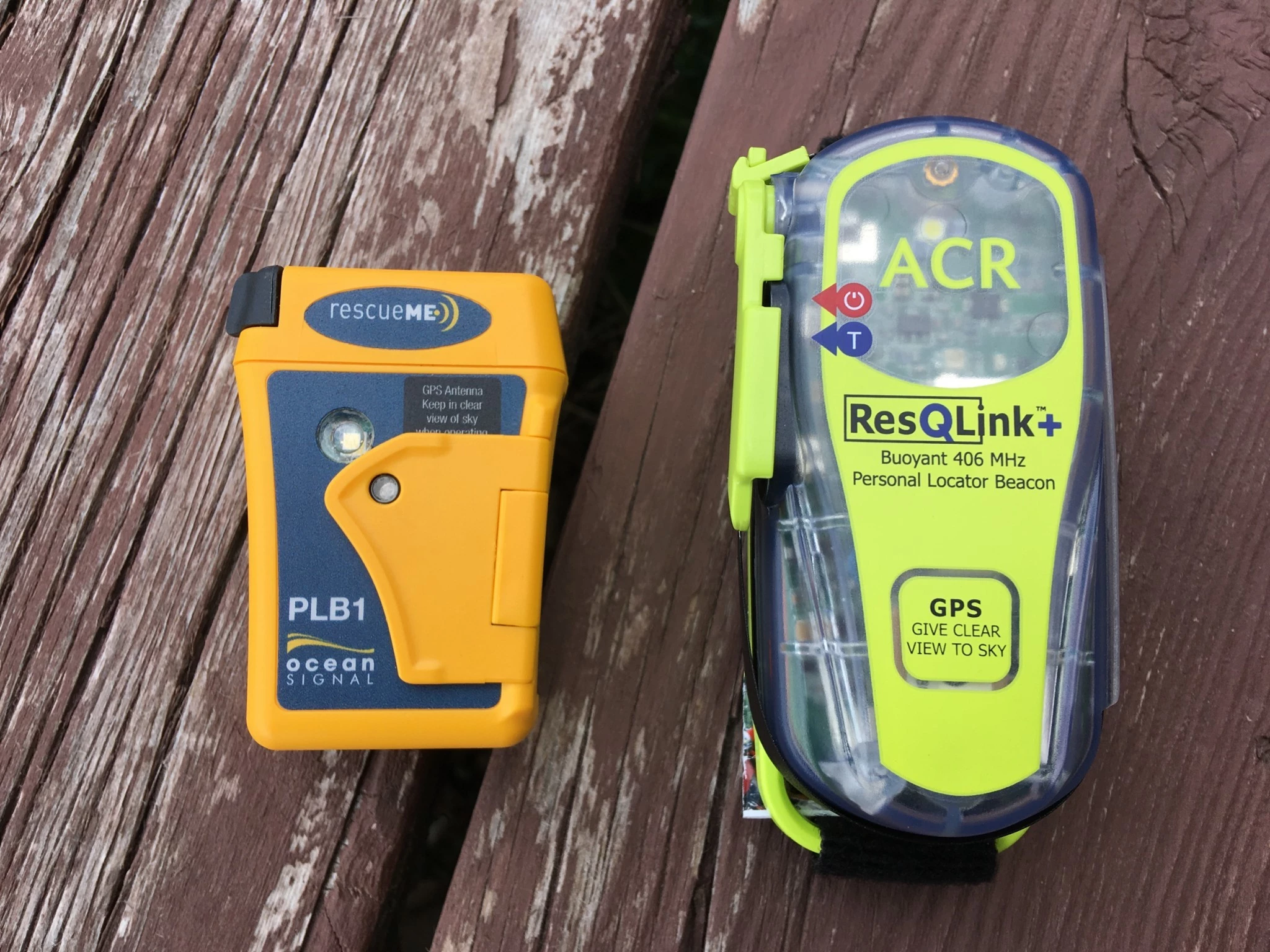
However, the hardware philosophy differs greatly. PLBs are equipped with specialized lithium batteries designed to remain dormant but functional for 5 to 7 years, whereas satellite messengers rely on rechargeable batteries that typically require maintenance every few days to weeks of active use. If you are the type of explorer who forgets to charge your gear, the set-it-and-forget-it nature of a PLB offers a distinct advantage.
Network Reliability: Global Governments vs. Private Corporations
The infrastructure behind these devices is just as important as the hardware in your hand. PLBs operate on the cospas-sarsat system, a non-profit, intergovernmental cooperative of 45 nations and agencies. Since 1982, this international search and rescue satellite system has assisted in the rescue of more than 63,000 people worldwide. Because it is a military-grade government system, there are no "service outages" due to missed payments or corporate bankruptcy.
When considering a satellite messenger network coverage comparison, you are looking at private companies like Iridium or Globalstar. Iridium, used by Garmin and Zoleo, offers true 100% global coverage, including the North and South Poles. This makes it an excellent choice for high-latitude expeditions. However, unlike the 406 mhz distress frequency used by PLBs, these commercial signals are lower power and more susceptible to backcountry terrain interference. If you are stuck at the bottom of a narrow slot canyon, a PLB’s 5-watt burst is statistically more likely to reach a satellite than the repeated low-power pings of a messenger.
One major evolution in 2026 is how search and rescue dispatch works for plb versus satellite devices. A PLB signal goes directly to the Air Force Rescue Coordination Center (AFRCC) or local coast guard. A satellite messenger signal first goes to a private garmin response center, where staff verify the emergency before contacting local authorities. While this adds a middleman, it also allows for the relay of vital medical information that a PLB simply cannot transmit.
The Financial Calculation: Price vs. Ongoing Subscriptions
Budget is often the deciding factor for many hikers, but the sticker price can be deceiving. A PLB usually costs between $350 and $450 upfront. After that, your only obligation is noaa beacon registration, which is free and must be renewed every two years. There are no monthly fees, no activation costs, and no "hibernation" charges.
Satellite messengers often have a lower entry price—some devices are available for under $200—but they require a recurring subscription to work at all. If you stop paying your monthly bill, your SOS button becomes a paperweight. This leads to a significant difference in the total cost of ownership over several years.
| Feature | PLB (e.g., ACR ResQLink) | Satellite Messenger (e.g., Garmin inReach) |
|---|---|---|
| Initial Device Cost | $380 - $420 | $200 - $600 |
| Monthly Subscription | $0 | $12 - $65 |
| Maintenance | Factory battery swap (~5-7 years) | Regular charging / Annual fees |
| 1-Year Total Cost | ~$400 | ~$350 - $700 |
| 5-Year Total Cost | ~$400 | ~$900 - $2,500 |
For those looking for a plb vs satellite messenger subscription costs comparison, the math is clear: the longer you own the device, the cheaper the PLB becomes. However, if you value the ability to send "I'm okay" texts to your spouse or receive weather updates during a week-long trek, the personal locator beacon vs satellite messenger costs may be a secondary concern to the peace of mind that two-way communication provides.
User Persona Guide: Choosing the Right Tool for Your Trek
The right choice depends heavily on your "mission profile." If you are a solo adventurer, choosing between plb and satellite messenger for solo hiking involves weighing the value of the "confirmation" signal. Knowing that SAR has confirmed your location can prevent the psychological spiral that often happens during a lonely emergency. For these users, a dedicated satellite messenger is often the preferred choice.
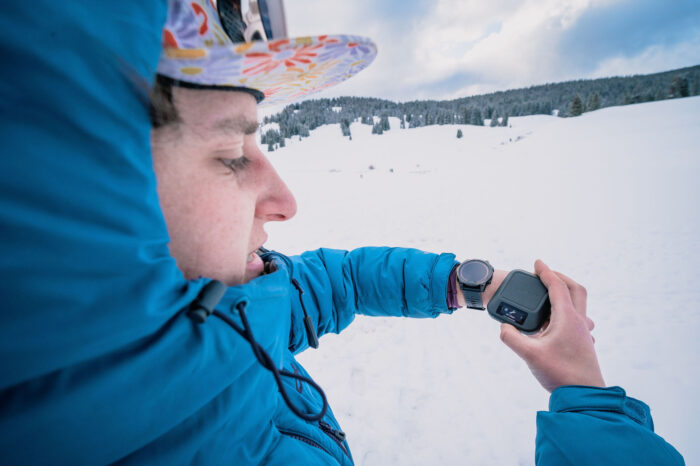
For hunters, backcountry skiers, or off-grid explorers who frequent extremely remote regions where weather can change in minutes, the best emergency signaling device for hunters and off-grid explorers might actually be a combination of both. Many professionals carry a messenger for daily check-ins and a PLB as a "fail-safe" backup attached to their life vest or backpack.
We also have to address the iphone satellite sos vs dedicated satellite messenger for hikers debate. By 2026, smartphone satellite capabilities have improved significantly, incorporating RCS messaging and better antenna arrays. However, a smartphone is still a fragile device with a screen that can shatter and a battery that drains quickly in the cold. A dedicated PLB or messenger is built to MIL-STD-810 standards, meaning it can survive a drop onto granite or a dunk in a freezing river—scenarios where your phone might fail.
Pro Tip: If you choose a PLB, remember it has no "test" button for the actual SOS signal. You must rely on the self-test function to ensure the battery and circuitry are healthy. With a messenger, you can send a test text to a friend to confirm you have a clear view of the sky.
FAQ
What is the main difference between a PLB and a satellite messenger?
The primary difference is the communication style and network. A PLB is a high-power (5W) one-way distress beacon that connects to government satellites with no subscription fees. A satellite messenger is a lower-power (1.6W) two-way device that allows for texting and tracking but requires a paid subscription.
Do personal locator beacons require a monthly subscription fee?
No. One of the biggest advantages of a PLB is that it is subscription-free operation. Once you buy the device and register it with national authorities like NOAA, there are no additional monthly or annual costs for the life of the battery.
Can you send text messages with a PLB?
No. A PLB is strictly for life-threatening emergencies. It does not have a keyboard or a screen for messaging. Its only function is to transmit your location and a distress signal to search and rescue agencies.
Which is more reliable for emergency rescues, a PLB or a satellite messenger?
Technically, a PLB is considered more reliable for the initial signal because it uses a more powerful 5-watt transmitter and a government-managed satellite constellation. However, a satellite messenger provides the reliability of 2-way communication, which helps rescuers understand the specific nature of your emergency.
How long does the battery last on a PLB versus a satellite messenger?
A PLB battery is designed to last 5 to 7 years in standby mode without charging, but it must be replaced by a professional center once it expires or the device is used. Satellite messengers use rechargeable batteries that last from a few days to a few weeks depending on how often you track your GPS points or send messages.
Choosing the right emergency satellite communication for hikers isn't just about the latest gadgets; it's about understanding your own risk tolerance. If you want a tool that you can toss in your pack and know it will work five years from now without a penny spent on subscriptions, buy a PLB. If you want to stay in touch with your family and provide context to a rescue team, the satellite messenger is the gold standard of modern backcountry safety. Regardless of your choice, ensure your device is registered and your emergency contacts know your itinerary before you head into the wild.