Quick Facts
- Safety Radius: Maintain a distance of at least 15 to 20 feet from the base of a treed bear to avoid the vertical impact zone.
- Muzzle Energy: Ensure specialized firearms meet minimum requirements of 1,200 ft-lb for rifles and 700 ft-lb for handguns.
- Essential Deterrent: Always carry EPA-approved bear spray with a minimum 35-foot effective range as a secondary defense.
- Hunter Visibility: Most regions require at least 400 square inches of solid Hunter Orange visible above the waist.
- 2026 Deadline: The Utah black bear permit application period for the upcoming season is February 10–24, 2026.
- Post-Shot Reporting: Be prepared for a mandatory 48-hour window to report a harvest in most western states.
- Key Hazard Stats: Research indicates that 91 percent of fatal black bear attacks occur against parties consisting of only one or two people.
Black bear hunting safety begins long before you enter the woods, requiring a technical understanding of both the animal and your equipment. In 2026, ensuring black bear hunting safety during a harvest requires maintaining a safe distance from the base of trees where a bear is perched. When a bear is shot, it can fall unexpectedly, creating a high-risk vertical impact zone. Hunters should remain at least 15 to 20 feet away from the base and wait for clear confirmation that the animal has succumbed to its injuries before approaching for field dressing.
2026 Pre-Season Prep: Ballistics and Regulations
Preparing for a black bear hunt involves more than just scouting locations; it requires a rigorous audit of your gear and a deep dive into wildlife management regulations. For the 2026 season, hunters must pay close attention to caliber requirements. While various states have differing rules, a general safety benchmark is the use of a .30 caliber rifle or larger, capable of delivering at least 1,200 ft-lb of muzzle energy. This ensures a quick, ethical harvest, which is a vital part of black bear hunting accident prevention because it reduces the time spent tracking a potentially dangerous, wounded animal.
Beyond the firearm, your pack should be organized for back-country survival. Equipping a trauma kit with hemostatic medical supplies is non-negotiable. In the event of an accidental discharge or a bear encounter, these supplies can manage severe bleeding until help arrives. Furthermore, back-country hunters should carry personal locator beacons. Given that many bear habitats have little to no cellular reception, a satellite-based communication device is your only link to emergency services.
Adhering to legal shooting hours is another critical component of black bear hunting safety to ensure adequate visibility for target identification. Most jurisdictions restrict hunting to a window between one-half hour before sunrise and one-half hour after sunset. Operating within these civil twilight hours helps hunters distinguish between target bears and non-target species, while also providing better light to evaluate bear behavior. If you are applying for specific tags, remember that the Utah black bear permit application period is February 10–24, 2026. Missing these windows or failing to complete mandatory orientation courses can result in legal penalties and the loss of future hunting privileges.
In-Field Hazards: The Hunter’s Paradox
Hunting black bears presents a unique paradox: the very methods used to find game—stealth, silence, and moving downwind—are the same behaviors that increase the risk of a surprise encounter. Maintaining high levels of hunter situational awareness tips the scales in your favor. When moving through dense cover, you must look for fresh sign such as scat, claw marks, and turned-over logs.
Understanding bear psychology is equally important. An analysis of fatal black bear attacks in North America from 1900 to 2009 found that 88 percent were predatory rather than defensive, and 92 percent of those predatory bears were lone males. This differs significantly from grizzly bear behavior, where defensive attacks by sows with cubs are more common. If a black bear is following you silently or showing intense interest without vocalizing, you may be facing a predatory threat rather than a defensive bluff charge.
Before pulling the trigger, proper non-target species identification is paramount. In many regions, the ranges of Ursus americanus and the grizzly bear overlap. Use the following guide to distinguish between them:
| Feature | Black Bear (Ursus americanus) | Grizzly Bear |
|---|---|---|
| Shoulder Hump | No prominent hump; highest point is mid-back. | Distinct large muscular hump above shoulders. |
| Facial Profile | Straight or "Roman" nose profile. | Concave or "dished" facial profile. |
| Ear Shape | Larger, pointed, and more prominent. | Smaller, rounded, and set further apart. |
| Claws | Short (1-2 inches), dark, and curved. | Long (2-4 inches), light-colored, and straight. |
The Gravity Hazard: Preventing Injuries from Falling Bears
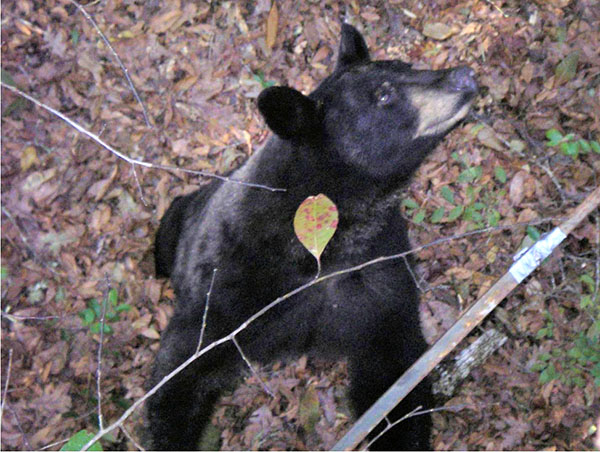
One of the most overlooked risks in black bear hunting safety is the danger posed by a bear falling from a height. Because black bears are excellent climbers, they often seek refuge in trees when pursued by hounds or when spooked. When a hunter takes a shot at a treed bear, the animal's weight and the height of the perch create a massive amount of downward force.
Safety Alert: The Vertical Impact Zone The area directly beneath and immediately surrounding the base of a tree where a bear is perched is considered a high-danger zone. A falling 300-pound bear can cause fatal crushing injuries or severe blunt force trauma to anyone standing below. Never stand under the tree to get a "better angle" on the shot.
Applying black bear hunting accident prevention strategies implies staying well clear of the landing radius. You should maintain a 15-20 foot buffer from the trunk. Once the bear hits the ground, the danger is not over. The impact sometimes results in a "death moan" or reflexive movements that can look like an attempt to charge. Do not rush in. Wait at least 20 minutes to ensure the animal has fully expired. Situational awareness for solo black bear hunters is especially vital here, as there is no partner to watch for other bears that might be drawn to the sound of the shot.

Post-Shot Recovery and Attractant Management
Safely tracking a wounded black bear involves extreme caution and high situational awareness, particularly in thick cover or low-light conditions. Wounded bears are notoriously difficult to track, as their thick fur and fat layers can plug entry wounds, resulting in a sparse blood trail. Hunters should utilize personal locator beacons to mark their starting position and carry bear spray as a deterrent during the track.
If the blood trail leads into a "dog hair" thicket, slow down. A wounded bear may lay in wait for a defensive ambush. If you lose the trail or daylight fades, it is often safer to back out and return at first light. History shows that fatal black bear attacks are exceptionally rare, averaging fewer than one fatality per year across North America, but those risks increase when a bear is cornered or wounded.
Once the bear is recovered, black bear harvest safety and field dressing protocols must be followed strictly. The scent of blood and entrails will act as a dinner bell for every other predator in the area. Work efficiently and, if possible, move the carcass to a more open area with better visibility before starting the dressing process.
Managing your campsite is the final step in black bear hunting accident prevention. Keep a "clean camp" by hanging food and trash at least 10 feet up and 4 feet out from a tree trunk, or use bear-resistant containers. Never cook or store food in the same clothes you plan to sleep in.
FAQ
What should you do if a black bear charges while hunting?
If a black bear charges, stand your ground and do not run, as running can trigger a predatory chase response. If the bear is making noise and swatting the ground, it may be a defensive bluff charge; speak in a calm, firm voice and slowly back away while keeping your eyes on the bear. If the bear is silent and continues its charge, deploy your bear spray deterrent immediately or use your firearm if you have a clear, safe shot.
How do you stay safe while tracking a wounded black bear?
Safety during tracking requires patience and high situational awareness. Wait at least 30 to 60 minutes before following the trail to let the bear expire. Always track with a partner if possible, as 91 percent of fatal black bear attacks occur against parties of just one or two people. Carry bear spray in an accessible holster and keep your firearm ready, ensuring you are scanning the brush ahead rather than just looking at the ground.
How to identify defensive versus predatory bear behavior?
Defensive behavior usually involves vocalization, such as huffing, jaw popping, or growling, and the bear may pin its ears back to indicate stress. Predatory behavior is often silent; the bear will show persistent interest, may follow you at a distance, and will keep its head up and ears forward while intensely watching you. Identifying black bear defensive vs predatory behavior is crucial, as predatory bears require an immediate, aggressive deterrent response.
What is the safest way to approach a downed black bear?
Approach a downed bear from the uphill side and from behind the head to avoid being in the line of a potential lunging bite or swipe. Use a long stick to poke the bear's eye or rump from a distance to check for a blink reflex or movement. Do not approach until you are certain the animal has succumbed to its injuries, and never stand directly in front of the bear’s paws.
How to prevent black bears from entering your campsite while hunting?
Preventing bear incursions requires strict attractant management. Store all food, trash, and scented toiletries (like toothpaste) in bear-resistant containers or hang them high between two trees. Cook and eat at least 100 yards downwind from your sleeping area, and ensure that your field dressing tools and any bloody clothing are kept far away from your tent.
In summary, black bear hunting safety is a multidisciplinary discipline. By respecting the vertical impact zones of treed bears, adhering to trauma kit essentials, and understanding the predatory nature of lone males, you can ensure a safe and successful 2026 season. Always check your local wildlife management regulations for the most current updates on seasons and safety requirements.