Quick Facts
- Frequency: Ideally wash once or twice per season depending on how often you wear it.
- Machine Type: Use a front-loading machine or a top-loader without a center agitator only.
- Wash Temperature: Set your machine to a maximum of 30°C (86°F).
- Spin Speed: Use a low setting, ideally no more than 600 RPM.
- Detergent: Use a technical down-specific wash; never use standard laundry soap or softeners.
- Key Tools: You will need 2-4 clean tennis balls or heavy-duty wool dryer balls.
- Time Needed: Expect the process to take 3-5 hours, with the majority spent on drying.
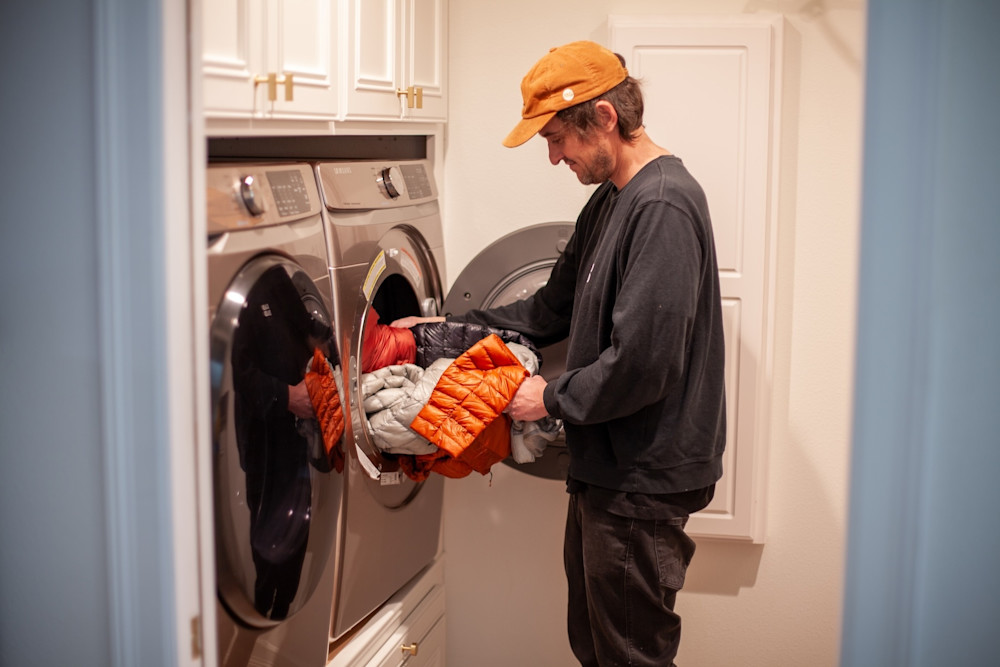
To wash down jacket properly, use a front-loading machine on a gentle cycle with a dedicated technical down jacket detergent. Avoid fabric softeners or bleach, which destroy down clusters, and always tumble dry on low heat with tennis balls to break up clumps and restore down jacket loft.
Knowing When Your Gear Needs a Refresh
Every piece of high-performance gear has a limit, and for down insulation, that limit is often dictated by the buildup of body oils and perspiration. While it might seem counterintuitive to submerge a delicate puffer in water, avoiding the laundry room is actually worse for the garment in the long run. Cleaning industry experts suggest that down jackets should be washed once or twice per season to prevent these oils from degrading the fine feathers inside.
You can usually spot the signs it is time to wash your down jacket by looking at the cuffs and collar, where skin contact is highest. If the fabric looks shiny or feels greasy, or if the Baffle compartments seem to be losing their shape, it is time for a deep clean. More importantly, if you notice the water is no longer beading off the surface, you are seeing a failure of the durable water repellent (DWR) coating, which often happens when dirt masks the chemical finish.
Pre-Wash Preparation: Inspect and Protect
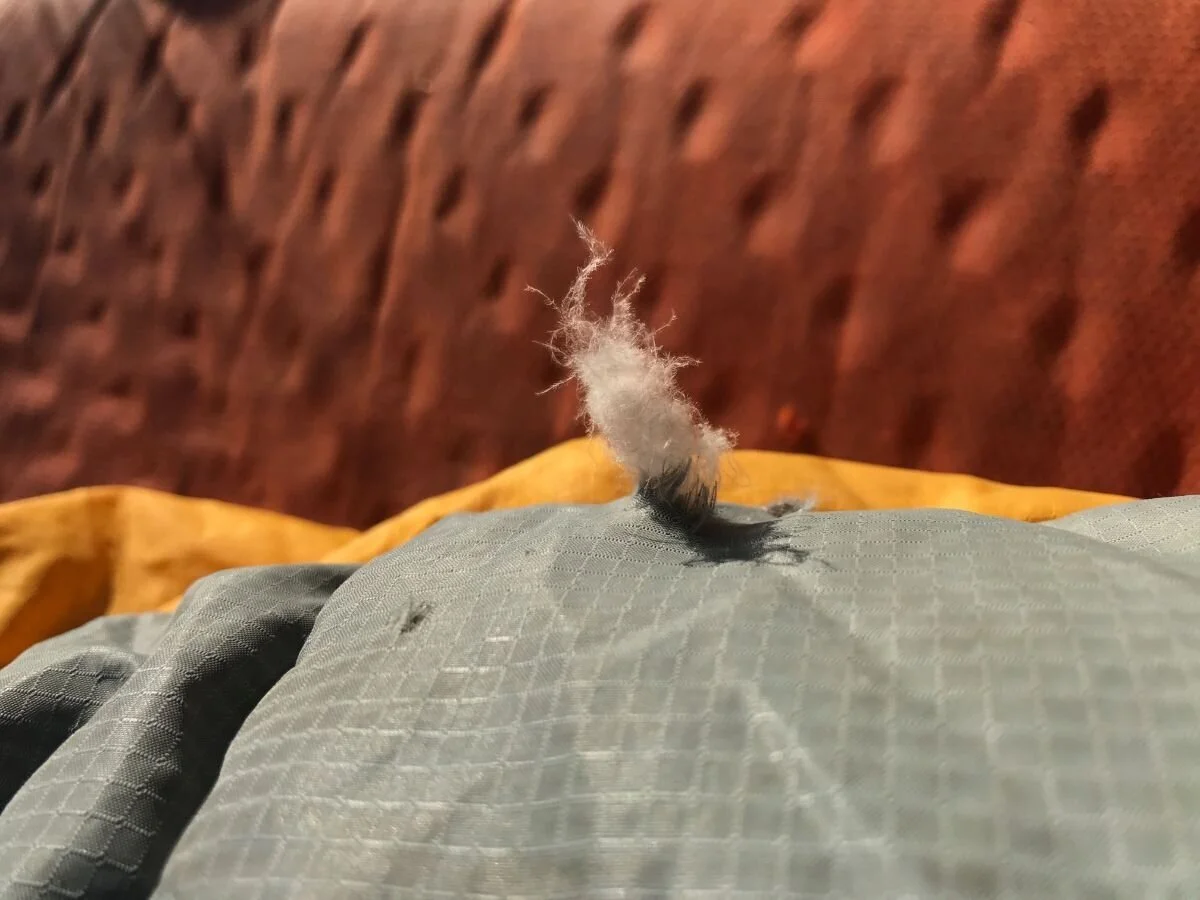
Before you even think about turning on the tap, you need to perform a thorough inspection of your garment. When learning how to wash a down jacket for the first time, the biggest mistake is rushing the preparation. Down clusters are incredibly fragile when wet, and any small tear in the ripstop nylon shell will quickly become a major exit point for your insulation once the machine starts its cycle.
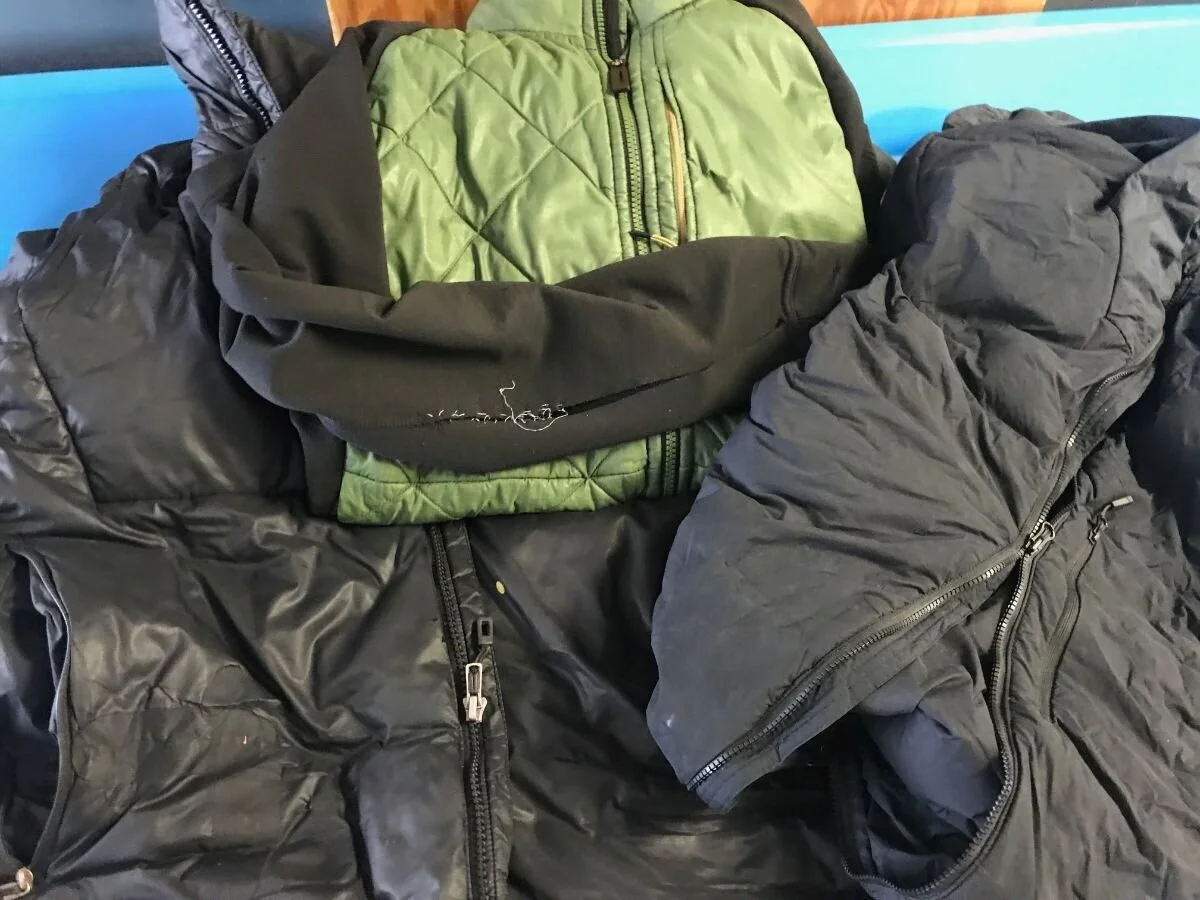
Start by checking every inch of the seams. If you find any snags or small holes, do not wash the jacket until they are sealed. Using a specialized gear repair tape like Tenacious Tape is the gold standard here; simply cut a rounded patch and press it firmly over the hole. This ensures the feathers stay inside the Baffle compartments rather than clogging your machine filter.
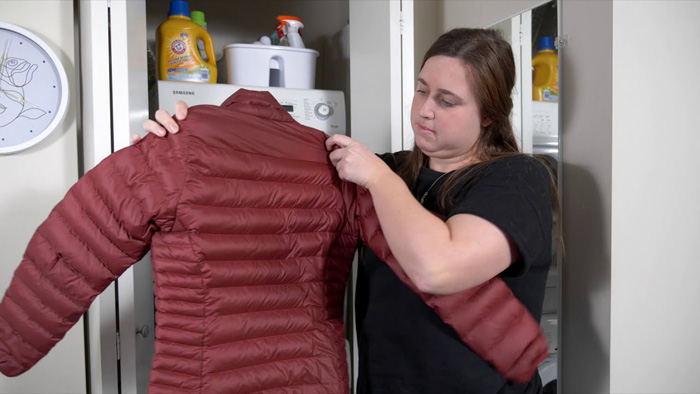
Next, you must prepare the jacket for immersion. Zip up all the front zippers, pocket zips, and pit zips. Fasten any Velcro straps and tighten drawcords to prevent them from snagging on the fabric. Finally, turn the entire garment inside out. This protects the outer shell fabric from abrasion and allows the water and down jacket detergent to directly reach the inner lining, where the majority of body oils and perspiration accumulate. This step is a cornerstone of professional gear maintenance and ensures the longevity of the technical fabrics.
The Washing Cycle: Machine Settings and Technical Soap
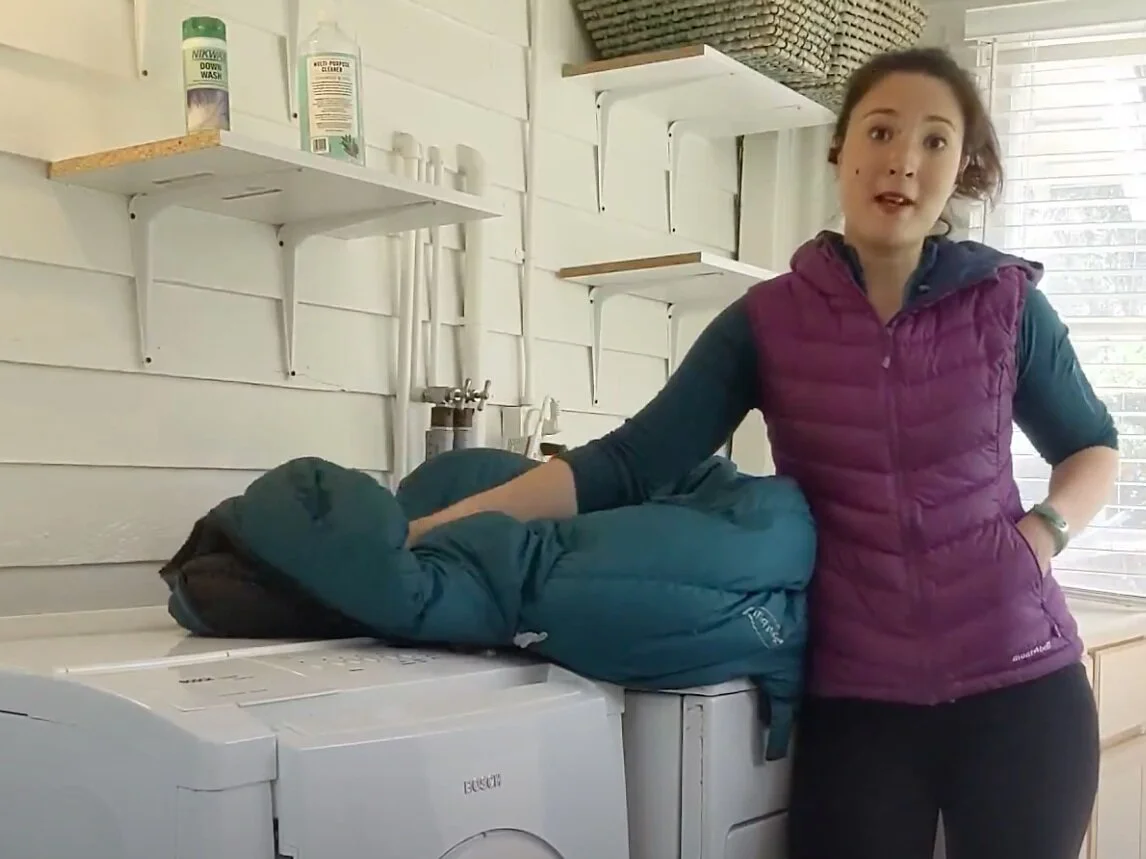
The choice of machinery is perhaps the most critical technical decision you will make. Top-loading washing machines with central agitators are not recommended for down jackets because the mechanical action can place excessive stress on internal baffles and seams, leading to permanent structural damage. If you do not have access to a residential front-loading machine, it is worth a trip to a laundromat to use their professional-grade front-loaders.
When it comes to the soap, put away the heavy-duty household pods. Standard household detergents can strip the natural oils from down filling, which causes the feathers to become brittle and leads to a significant reduction in the insulation and loft. Instead, you need to invest in the best technical detergent for down garments, such as those from Nikwax or Grangers. These products are designed to clean the feathers without removing their natural hydrophobic insulation properties.
Set your machine to a delicate or wool cycle with a cold or lukewarm temperature (30°C max). A high spin speed is the enemy here; set it to a low spin (around 600 RPM) to gently whisk away excess water without putting centrifugal pressure on the wet, heavy down clusters. If your machine allows for it, add an extra rinse cycle to ensure every trace of detergent is gone, as any residue can cause clumping during the drying phase.
The Drying Marathon: Restoring the Loft
This is where most people panic. When you pull your jacket out of the washing machine, it will look like a sodden, flat piece of fabric. Do not be alarmed; this is normal. The goal now is to how to dry down jacket in a way that encourages the feathers to expand and fill with air again.
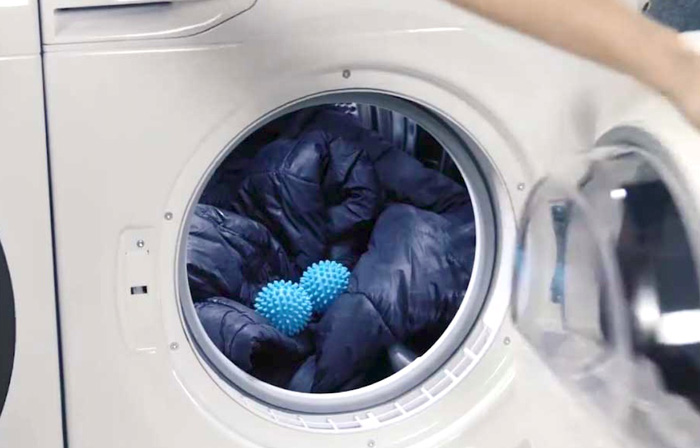
Place the jacket in a dryer on a low-heat or delicate setting. High heat can actually melt the synthetic ripstop nylon shell or damage the delicate down clusters. The secret to success is using tennis balls to dry down jacket. By placing three or four clean tennis balls (or heavy wool dryer balls) in the drum, you create a mechanical agitation that physically breaks up the wet clumps of feathers as they tumble.
Drying a down jacket is an exercise in patience. It will likely take two to four hours, depending on the fill power of the insulation. Every 30 minutes, remove the jacket and give it a vigorous shake. You might even use a technique similar to a cat baking bread—kneading the clumps gently with your fingers to help the loft recovery process.
To determine if the jacket is truly dry, use the cheek test: press a baffle against your cheek. If it feels even slightly cool or damp, the internal feathers are still wet. You must ensure it is 100% dry to restore down jacket loft effectively and prevent mold or mildew from forming during storage.
Troubleshooting: My Jacket Looks Ruined!
If you finish the drying cycle and your jacket still looks thin or lumpy, don't worry—it likely just needs more time or a slight adjustment in technique. Often, the internal down clusters are still holding onto a tiny amount of moisture, which keeps them stuck together.
| Issue | Potential Cause | Fix |
|---|---|---|
| Persistent Clumping | Residual moisture or too few dryer balls | Repeat the drying cycle for 30 minutes with more tennis balls. |
| White Streaks/Spots | Excess detergent residue | Run a rinse-only cycle in the washer (no soap) and re-dry. |
| Fabric Smells Musty | Jacket stayed wet for too long | Re-wash with a technical odor-eliminating down wash. |
| Water Doesn't Bead | DWR coating is worn out | Apply a spray-on DWR treatment while the jacket is damp, then tumble dry. |
Learning how to fix clumped feathers after washing down jacket is mostly about persistence. If you discover how to restore dwr on down jacket at home during this process, you will find that the heat from the dryer actually helps reactivate the repellent finish. However, if the water still soaks into the fabric after cleaning, it may be time to apply a fresh PFAS-free DWR spray.
FAQ
Can you wash a down jacket in a washing machine?
Yes, provided you use a front-loading machine or a top-loader without a central agitator. Traditional agitators can catch on the baffles and rip the internal structure of the jacket. Always use a gentle cycle with a specialized detergent to protect the delicate feathers.
What is the best way to dry a down jacket?
The most effective method is tumble drying on a low-heat setting for several hours. You must include tennis balls or dryer balls in the load to provide the necessary agitation to break up clumps. Air-drying is not recommended for down as it takes too long and usually results in matted feathers and a musty smell.
How do you get the clumps out of a down jacket after washing?
If the jacket comes out clumpy, it is a sign the feathers are still damp. Return the jacket to the dryer with tennis balls and continue the low-heat cycle. You can also manually pull apart large clumps by gently massaging the baffles between your hands throughout the drying process.
Can I use regular laundry detergent on a down jacket?
It is highly recommended that you avoid regular detergents. Standard soaps are designed to break down fats and oils, which includes the natural oils that keep down feathers resilient and lofted. Using a technical wash ensures the insulation remains fluffy and effective at trapping heat.
Why does my down jacket look flat after washing?
A flat appearance usually means the down clusters have not yet fully dried or haven't been agitated enough to expand. The loft comes from air being trapped between the feathers; if the feathers are still stuck together by moisture, the jacket will stay flat. More time in the dryer with tennis balls will fix this.
Should I dry clean my down jacket instead of washing it?
No, you should never dry clean a down jacket. The harsh chemical solvents used in the dry cleaning process can strip the natural oils from the down and damage the specialized DWR coating on the shell. Home washing with the correct technical soap is safer and more effective for maintaining the garment's performance.
Maintaining Performance for the Long Haul
Taking the time to wash down jacket correctly is an investment in your comfort. Modern technical garments are engineered to last for a decade or more if treated with respect. By following these steps—from the initial inspection with Tenacious Tape to the final loft recovery check—you ensure that your gear remains a reliable barrier against the elements.
If you ever encounter a tear that is too large for tape or a zipper that has completely failed, consider reaching out to professional gear repair services. For most everyday maintenance, however, a bottle of technical wash and a handful of tennis balls are all you need to keep your puffiest layers looking and performing like new. What is your go-to technical wash for the season? Let us know in the comments below!