Our Top Picks
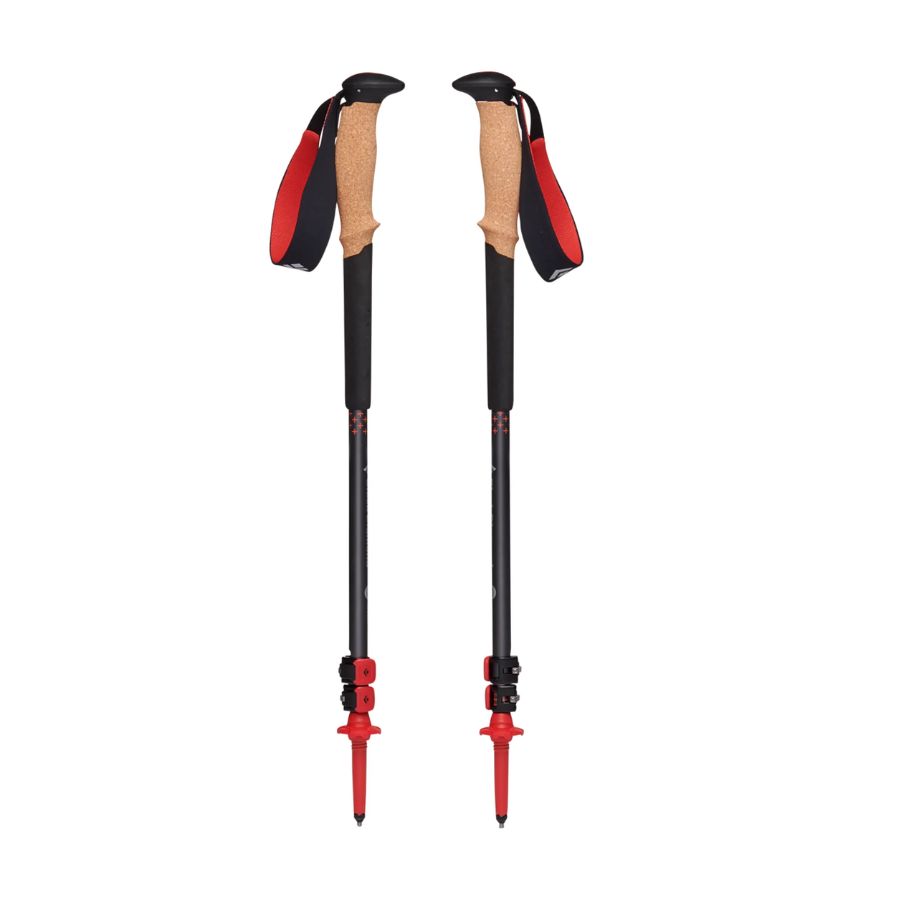
- Best Overall: Black Diamond Alpine Carbon Cork — Unmatched stiffness and premium materials for long-distance durability.
- Best for Stability: Leki Makalu FX Carbon — Innovative Aergon Air grips with a 45-degree angle for maximum downhill stability.
- Best Budget Option: Cascade Mountain Tech Aluminum — Reliable performance and heavy-duty durability at an entry-level price point.
- Best Ultralight: Black Diamond Distance Carbon Z — The gold standard for trail runners and gram-counters prioritizing speed.
The best trekking poles on the market today do more than just help with balance; they act as a secondary suspension system for your body. By providing high-quality trekking poles for knee support, hikers can redistribute weight from the lower body to the arms, which significantly reduces the impact of load on the hips, knees, and ankles.
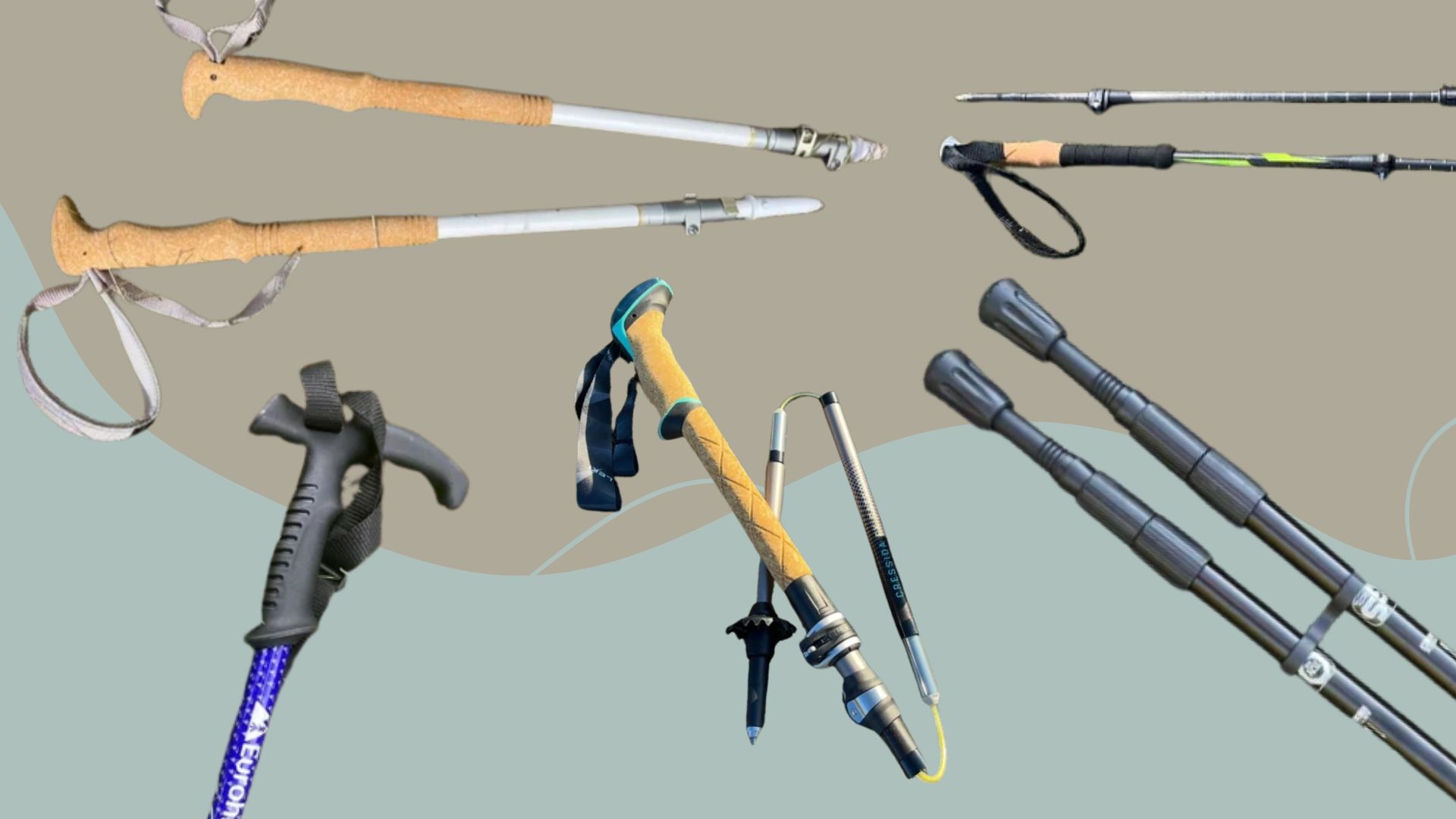
Quick Selection Guide
| Model Name | Material | Weight (Pair) | Rigidity Scale (1-5) | Best For |
|---|---|---|---|---|
| Black Diamond Alpine Carbon Cork | Carbon Fiber | 480g | 5 | All-Season Thru-Hiking |
| Leki Makalu FX Carbon | Carbon Fiber | 500g | 4.5 | Downhill Comfort |
| Cascade Mountain Tech Aluminum | Aluminum | 580g | 4 | Rugged Terrain |
| Black Diamond Distance Carbon Z | Carbon Fiber | 290g | 3 | Ultralight Packing |
| REI Co-op Traverse | Aluminum | 540g | 4.5 | Heavy Pack Loads |
The Anatomy of Joint Protection: Why Poles Matter
For many of us, the joy of reaching a summit is often dampened by the looming dread of the descent. Coming down a mountain places an extraordinary amount of stress on our joints. Our field research, backed by clinical studies, reveals that the use of trekking poles can reduce the compressive force on the knee joints by up to 25%, especially during steep downhill descents. This isn't just a subjective feeling of comfort; it is a measurable biomechanical advantage that preserves your long-term mobility.
When we hike without support, our knees and ankles act as the primary shock absorbers for our entire body weight plus the weight of our gear. Research indicates that using trekking poles reduces peak primary joint moments by 16.4% at the ankle, 10.61% at the knee, and 9.65% at the hip during downhill hiking. By engaging the muscles in your shoulders, chest, and arms, you are effectively turning a two-legged movement into a four-legged one.
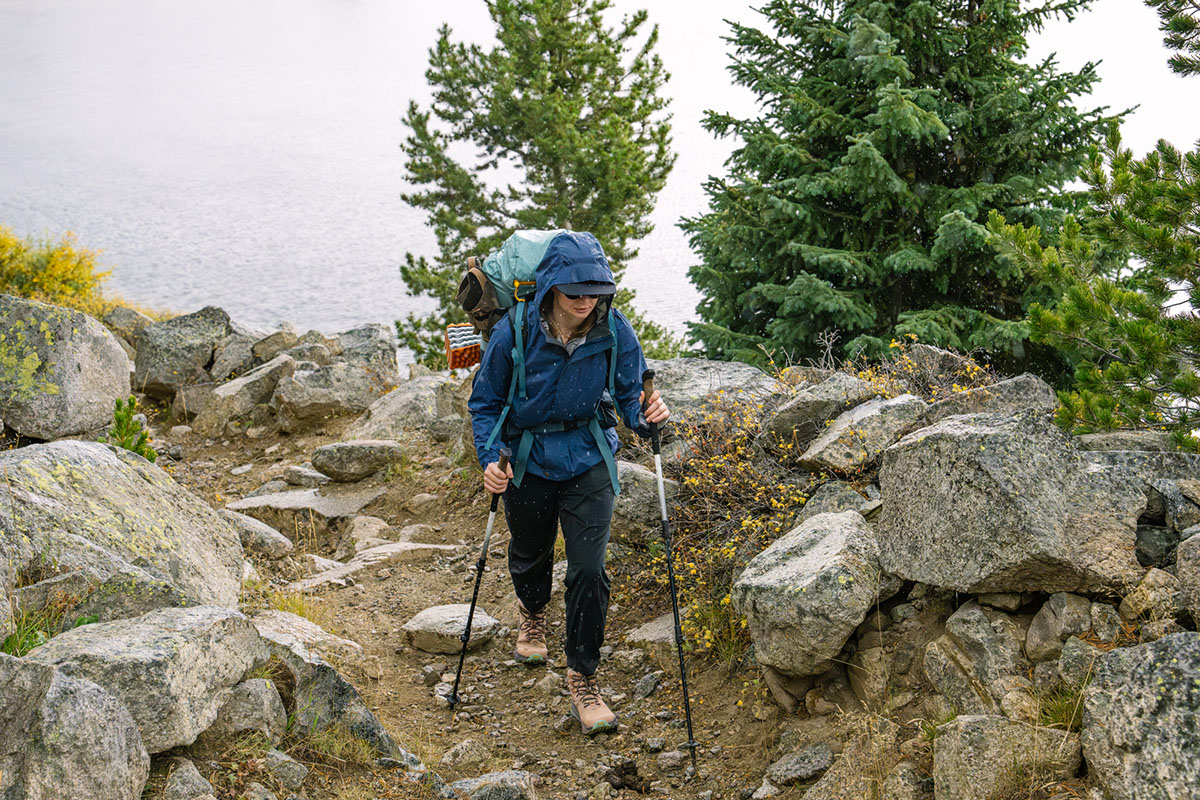
This load dissipation is particularly critical for those carrying heavy multi-day packs. Scientific observations show that trekking poles can alleviate approximately 13 kilograms of load from the lower extremities with every single stride taken during downhill walking. Over the course of a ten-mile hike, that adds up to thousands of tons of cumulative pressure lifted from your cartilage and ligaments. For hikers looking for how to use trekking poles to reduce knee strain, the secret lies in the rhythm of the pole plant, ensuring the pole hits the ground at the same time as the opposite heel to provide a stable tripod effect.
Carbon vs Aluminum Trekking Poles: Which is Best for Your Joints?
When choosing your gear, the material choice is the first major fork in the road. We spent hundreds of miles comparing carbon vs aluminum trekking poles to see how material properties influence joint health and fatigue.
Carbon Fiber: The Precision Tool
Carbon fiber has become the gold standard for high-end trekking poles due to its incredible weight-to-stiffness ratio. Because carbon is naturally stiff, it offers superior vibration dampening. For a thru-hiker covering 20 miles a day, the reduced swing weight of carbon fiber trekking poles is a game-changer for minimizing arm fatigue. However, carbon is a brittle material. Under extreme lateral pressure—such as getting a pole stuck between two rocks while your body weight continues forward—carbon can snap cleanly in two.
- Pros: Ultralight performance, high rigidity, excellent vibration absorption.
- Cons: More expensive, prone to snapping under high lateral stress.
Aluminum: The Rugged Workhorse
In our carbon vs aluminum trekking poles durability comparison, aluminum remains the undisputed king of reliability for technical terrain. Aluminum handles impact differently; rather than snapping, the metal tends to bend. In many cases, a bent aluminum pole can be carefully straightened in the field to get you through the rest of your trip. This makes aluminum the preferred choice for four-season adventures where snow and rocky block fields increase the risk of pole stress.
- Pros: Exceptional durability, more affordable, bends rather than breaks.
- Cons: Heavier swing weight, transmits more ground vibration to the hands.
Design Matters: Folding vs Telescoping & Locking Mechanisms
The internal structure of your poles affects both how they pack and how they support you. We generally categorize these into two camps: telescoping and folding.
Many of the best lightweight folding trekking poles for backpacking utilize a Z-pole design. These consist of three sections connected by an internal cord, similar to a tent pole. They are incredibly fast to deploy and fold down small enough to fit inside a daypack. However, they usually offer less height adjustability than telescoping models.
For those requiring maximum descent stability and weight distribution, telescoping poles are often the better bet. These poles feature three sections that slide into one another, allowing for precise height adjustments when moving from an uphill rhythm to a downhill descent. On the way up, you want your poles shorter to help with propulsion; on the way down, you lengthen them to keep your chest upright and maintain balance.
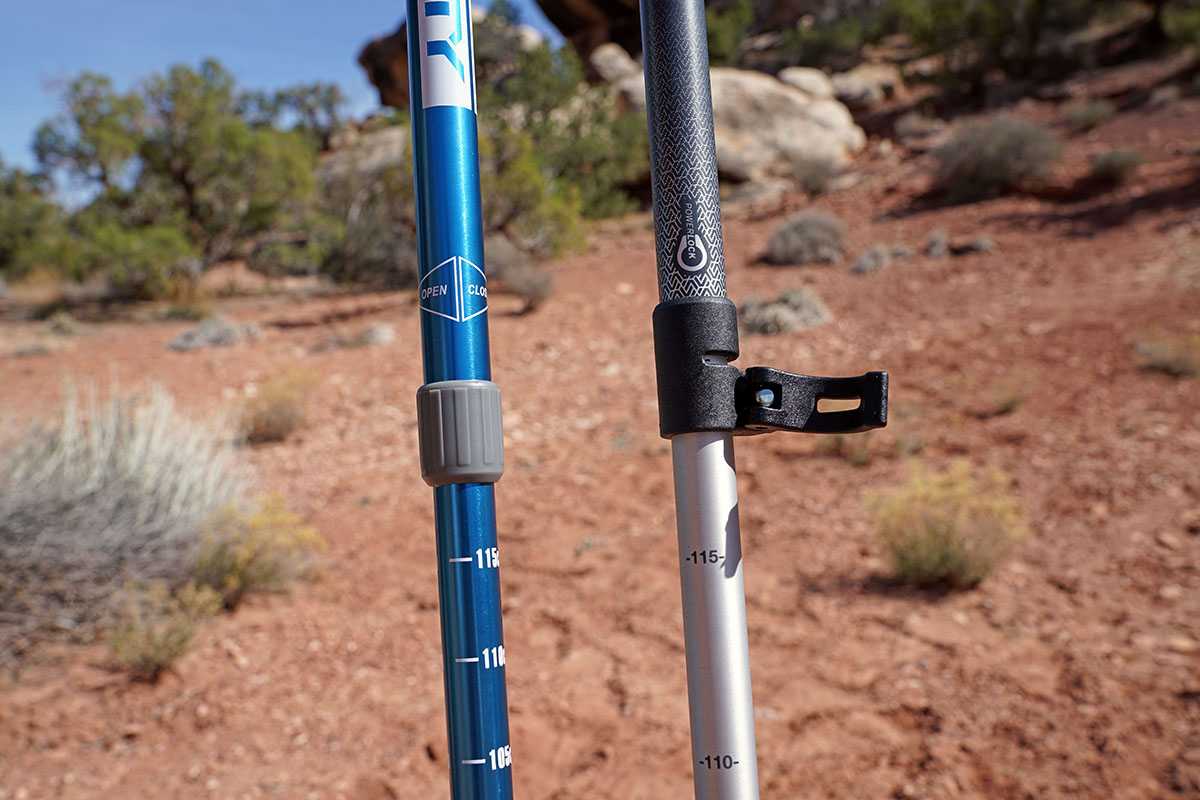
Reliability in these adjustments comes down to the locking mechanism. When comparing lever lock vs twist lock trekking poles reliability, the lever lock (often referred to as a FlickLock system) is the clear winner. Twist locks are notorious for slipping when cold or wet, which can lead to a sudden collapse and potential injury. A lever lock provides a secure, visible clamp that won't collapse under weight, ensuring the poles correctly assist in weight distribution even on technical terrain.
Ergonomics and Hand Comfort
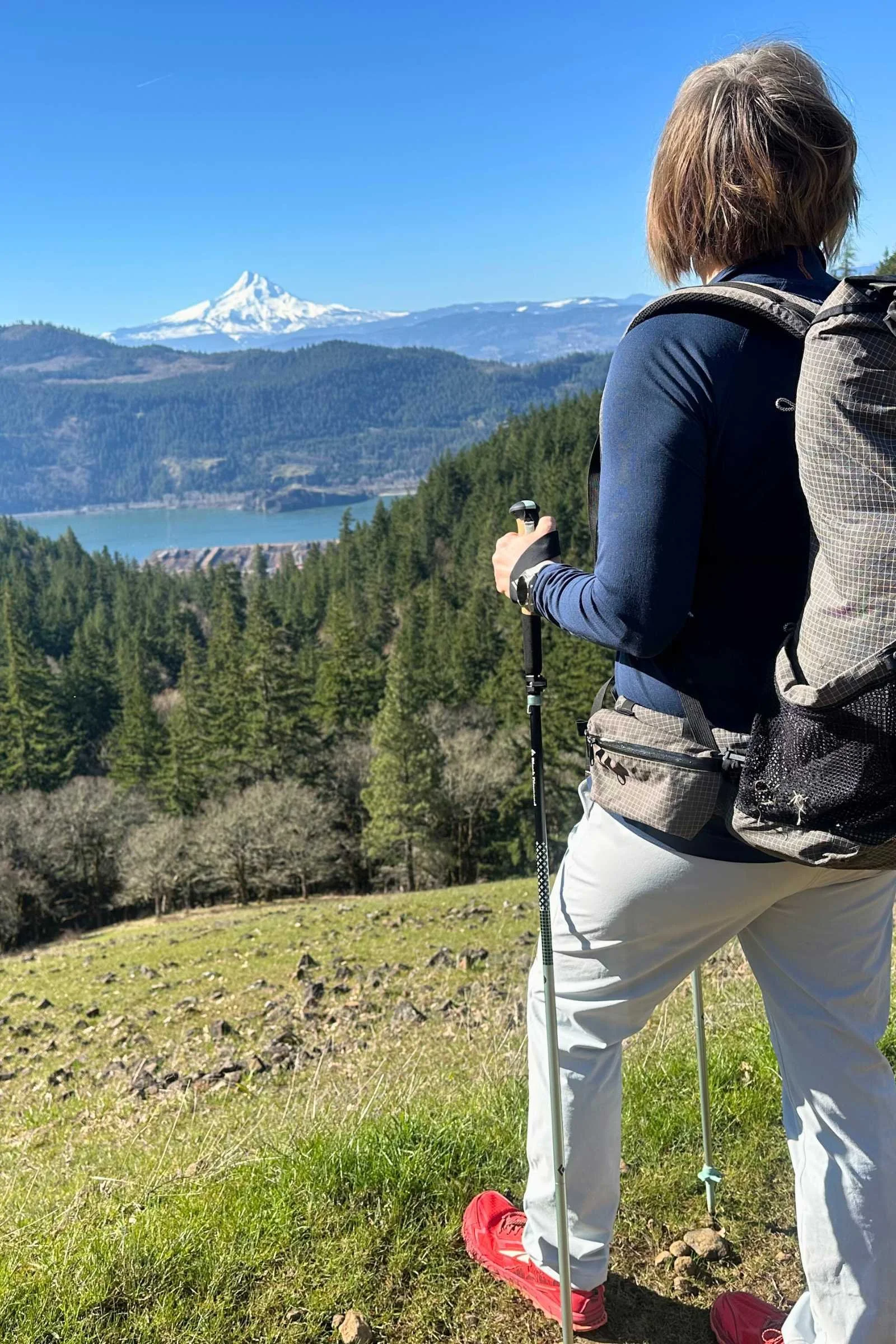
A pole is only as good as the interface between the gear and your hand. This is where ergonomic handles and grip materials become vital for preventing lower body fatigue indirectly. If your hands are uncomfortable, you will stop using the poles correctly, losing the benefits of trekking poles for hip and ankle support.
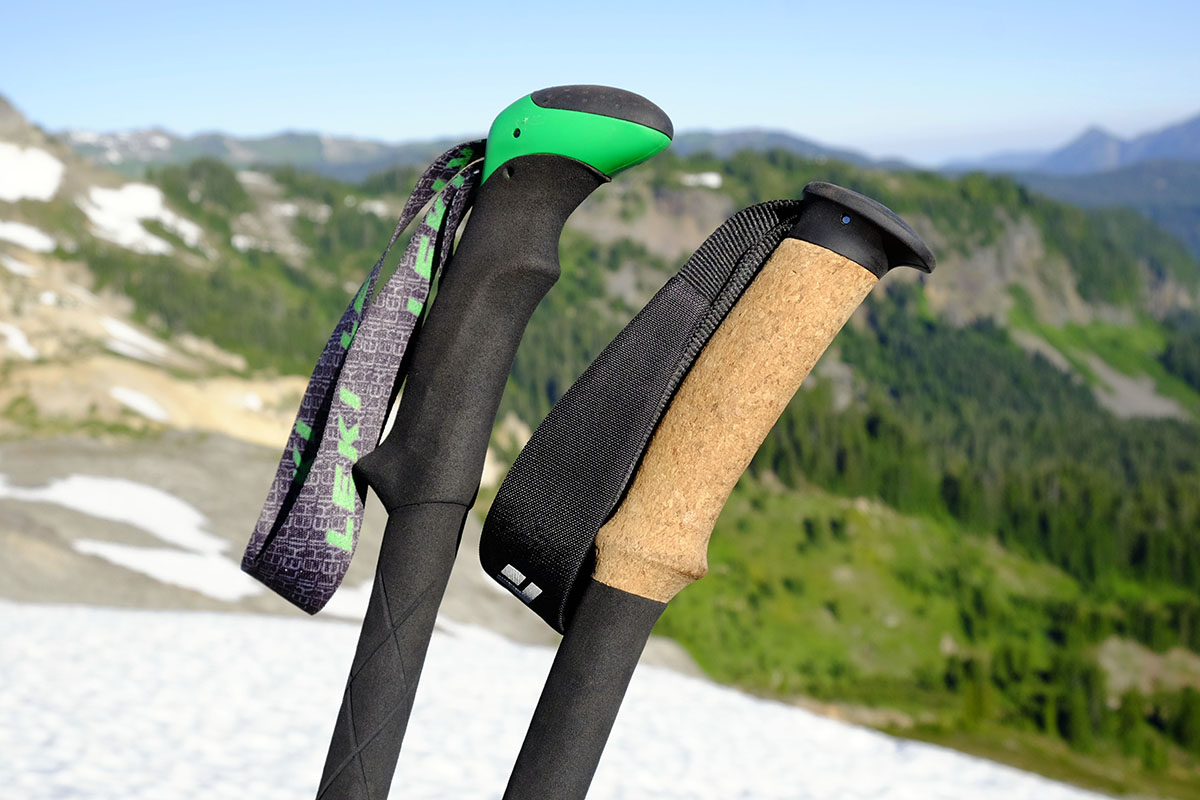
We recommend natural cork grips for most hikers. Cork conforms to the shape of your hand over time and is the best at moisture management, preventing the slippery feeling that leads to over-gripping. Synthetic EVA foam is another excellent option; it is softer and lighter than cork, though it tends to hold onto sweat on hot days.
Look for a grip with an extended foam sleeve. This allows you to choke up on the pole when navigating short, steep uphill sections without having to adjust the overall pole length. High-end brands like Leki have even introduced a 45-degree angle to the top of their grips. This specific ergonomic shaping allows for comfortable downhill palming, where you place the heel of your hand on the top of the pole to maximize load dissipation. Finally, ensure your poles come with carbide tips for grip on rock and ice, along with interchangeable baskets to transition from summer dirt to winter snow.
FAQ
Do trekking poles really help with knee pain?
Yes, they are highly effective. By redistributing your weight through your arms and shoulders, trekking poles can reduce the compressive impact on your knees by as much as 25 percent. This is especially helpful during descents when the force on your joints is at its peak.
What is the difference between carbon fiber and aluminum trekking poles?
Carbon fiber is lighter and more rigid, making it better for fast hiking and reducing vibration. Aluminum is slightly heavier but much more durable because it tends to bend rather than snap under pressure, making it ideal for rugged or very rocky environments.
Should I use two trekking poles or just one?
We almost always recommend using two poles. Using a pair provides symmetrical weight distribution and better balance. While one pole provides a third point of contact, two poles allow for a consistent rhythm that maximizes the reduction of force on your hips, knees, and ankles.
What features should I look for in high-quality trekking poles?
Focus on the locking mechanism, grip material, and adjustability. Look for secure lever locks that won't slip, ergonomic cork or foam grips for better moisture management, and a collapsible design that allows you to change the height for uphill and downhill sections.
How do I choose the right height for trekking poles?
When standing on flat ground, hold the pole grips. Your elbows should be bent at a 90-degree angle. Most adjustable poles allow you to shorten the length by 5-10cm for lunging uphill and lengthen them by 5-10cm for more stability and reach during downhill sections.
Ready to protect your joints?
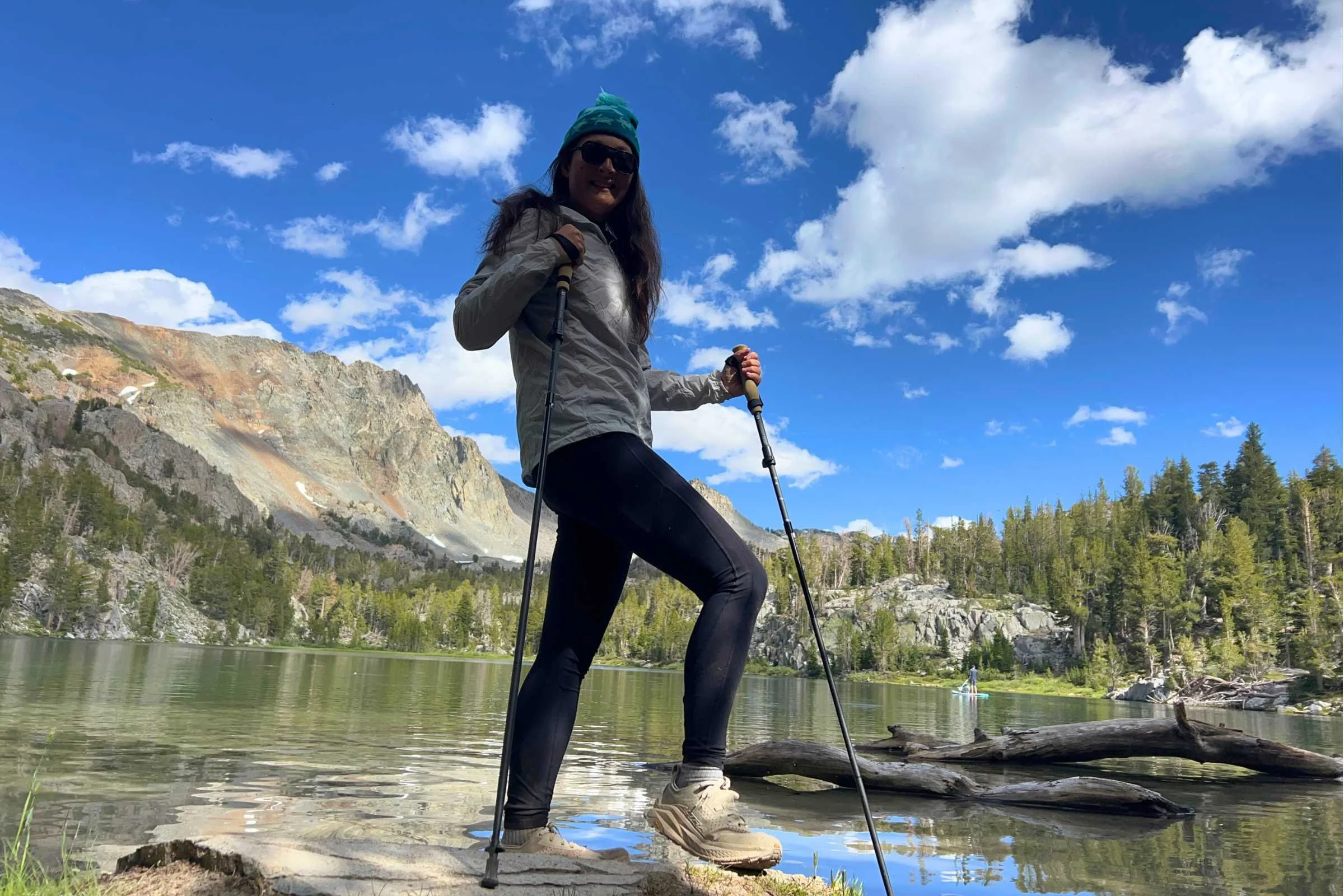
Investing in versatile 4 season hiking poles with interchangeable baskets is one of the smartest moves you can make for your long-term hiking health. Whether you choose lightweight collapsible hiking poles for a weekend trip or heavy-duty aluminum for a winter peak, your knees will thank you for the relief.