Quick Facts
- Top Efficiency: Geodesic domes provide 30% more interior volume per square foot than traditional rectangular tents.
- Extreme Weather: These structures are rated for high wind survival, often withstanding gusts up to 120 mph and massive snow accumulation.
- Waterproofing Standard: Premium models feature a minimum 3000mm hydrostatic head (HH) to ensure complete protection during storms.
- Material Choice: Aviation-grade 6061-T6 aluminum offers the most reliable balance of structural rigidity, weight, and corrosion resistance.
- Market Growth: The global dome camping tent market is valued at approximately $3.8 billion in 2025, reflecting a massive shift toward durable outdoor shelters.
- Cost Efficiency: The spherical design can help reduce heating and cooling costs by 30% to 45% compared to prismatic structures.
Geodesic dome tents offer superior structural integrity by using a network of triangles to distribute stress evenly across the frame. This unique geometry allows them to withstand extreme wind speeds and heavy snow loads that would collapse traditional tent designs. Beyond durability, the hemispherical design maximizes internal living space and airflow, making them highly efficient for both high-altitude expeditions and luxury glamping adventures.
The Physics of Stability: Why Geodesic Domes Rule the Wild
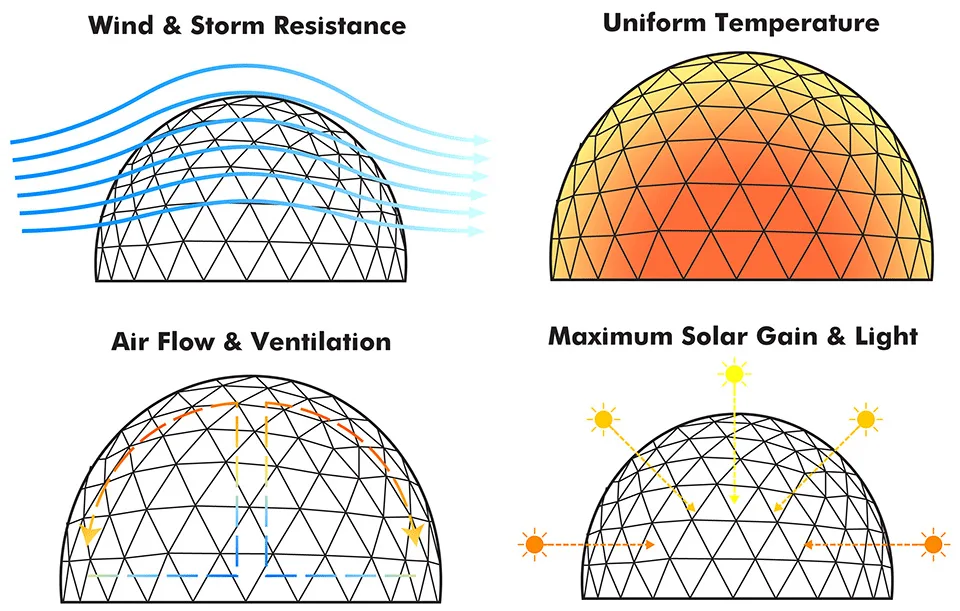
When you look at a geodesic dome tents setup in a remote alpine environment, you are looking at a masterpiece of engineering popularized by the visionary Buckminster Fuller. Unlike a standard cabin tent that relies on vertical poles and a heavy roof, a geodesic dome utilizes the principle of triangulation to create a self-supporting shell. In this system, every pole serves as a bridge, turning external force into a combination of tension and compression that is distributed throughout the entire structure.
This design is why these tents are the go-to choice for wind tunnel testing protocols and extreme mountain missions. Historically, even early designs used by the Marines proved their worth by standing firm in 120 mph prop-wash tests. Because the wind flows around the hemispherical design rather than pushing against a flat surface, the tent remains stable when other shelters would simply flatten. For those seeking the best geodesic dome tents for high wind survival, the secret lies in the number of pole intersections; the more junctions the frame has, the more rigid and resilient the structure becomes.
Choosing Your Dome: Expedition vs. Glamping Tents
The world of geodesic dome tents has branched into two distinct categories: professional-grade expedition dome tents and high-end glamping structures. While they share the same geometric DNA, their applications could not be more different.
Expedition models are the heavy lifters of the mountaineering world. If you are planning for high altitude mountaineering, every ounce counts, yet you cannot compromise on safety. These domes use lightweight yet incredibly strong fabrics and thin, high-tensile poles. They are designed to be an alpine base camp, providing a safe haven where climbers can eat, sleep, and wait out storms for weeks at a time.
On the other hand, geodesic glamping tents have taken the market by storm. Data shows that the market is projected to reach $6.7 billion by 2034, with family-sized models accounting for nearly 38.4% of global revenues. These structures prioritize luxury and 4-season comfort. Unlike their portable counterparts, glamping domes often feature heavy PVC skins, wood-burning stoves, and even insulation layers. Because geodesic domes provide approximately 30% more interior volume than conventional structures, they allow for full-sized beds and furniture, creating a true home away from home.
The Technical Buyer’s Guide: Materials and Performance
Selecting the right shelter requires a deep dive into technical specifications. You are not just buying a tent; you are investing in a micro-climate control system. One of the first decisions you will face is the comparison of aluminum vs carbon fiber geodesic tent poles. While carbon fiber offers an incredible strength-to-weight ratio, high-grade 6061-T6 aluminum remains the industry standard for durability in extreme cold where carbon might become brittle.
Pole Material Comparison
| Feature | 6061-T6 Aluminum | Carbon Fiber |
|---|---|---|
| Weight | Moderate | Ultra-light |
| Durability | High/Flexible | High/Rigid |
| Cold Resistance | Excellent | Varies by grade |
| Repairability | Easy to sleeve | Difficult to patch |
| Best Use | General expedition | Fast-and-light alpine |
Beyond the frame, look at the fabric. A high-denier Ripstop Fabric with a silicone or PU coating is essential. For those camping in humid or hot environments, condensation can be an issue due to the airtight nature of high-end domes. Finding effective ventilation solutions for geodesic dome tents in hot weather is crucial. Look for models with high-low venting systems that use the natural chimney effect of the dome to pull cool air from the base and push hot, moist air out the top.
When you are figuring out how to choose the right geodesic tent size for groups, remember the internal volume efficiency factor. Because the walls are curved, you have more usable floor space right up to the edges compared to a traditional tent. A 16-foot diameter dome offers significantly more "standing room" and livable area than a 16x16 square tent.
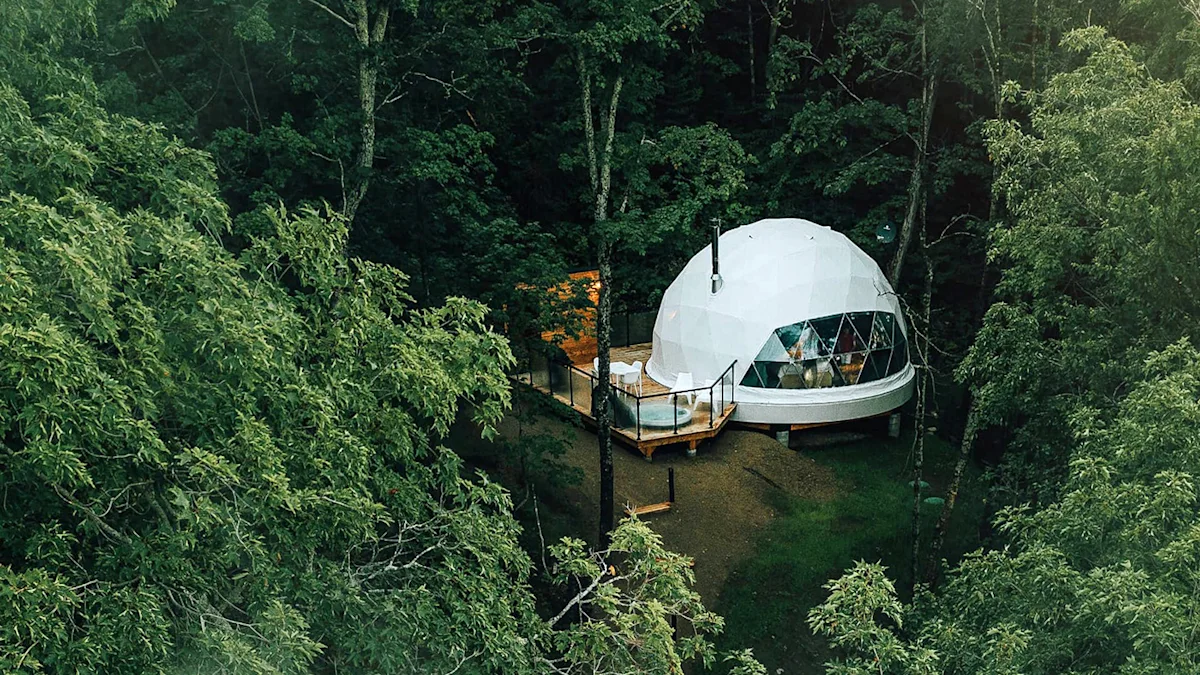
Elite Gear: Top Geodesic Tent Manufacturers for 2026
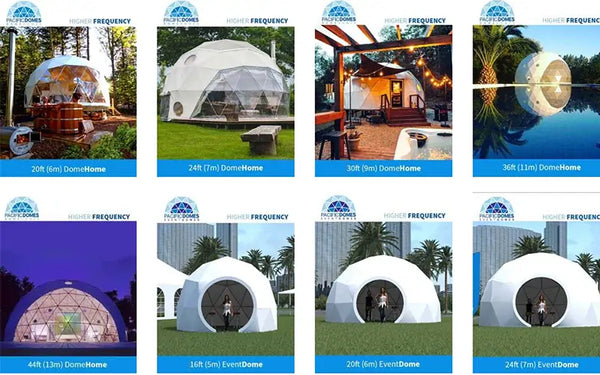
Reputable geodesic tent manufacturers range from professional mountaineering legacy brands like The North Face to glamping kit specialists like Pacific Domes and FDomes, catering to diverse needs from high-altitude base camps to modular luxury glamping.
For the pure adventurer, The North Face 2-Meter Dome remains the gold standard for top geodesic dome tent manufacturers for expedition gear. It is an icon of the Himalayas, designed to survive the most punishing environments on earth. However, if your goal is eco-tourism or an off-grid shelter for your property, Pacific Domes and FDomes offer semi-permanent kits that are as beautiful as they are functional.
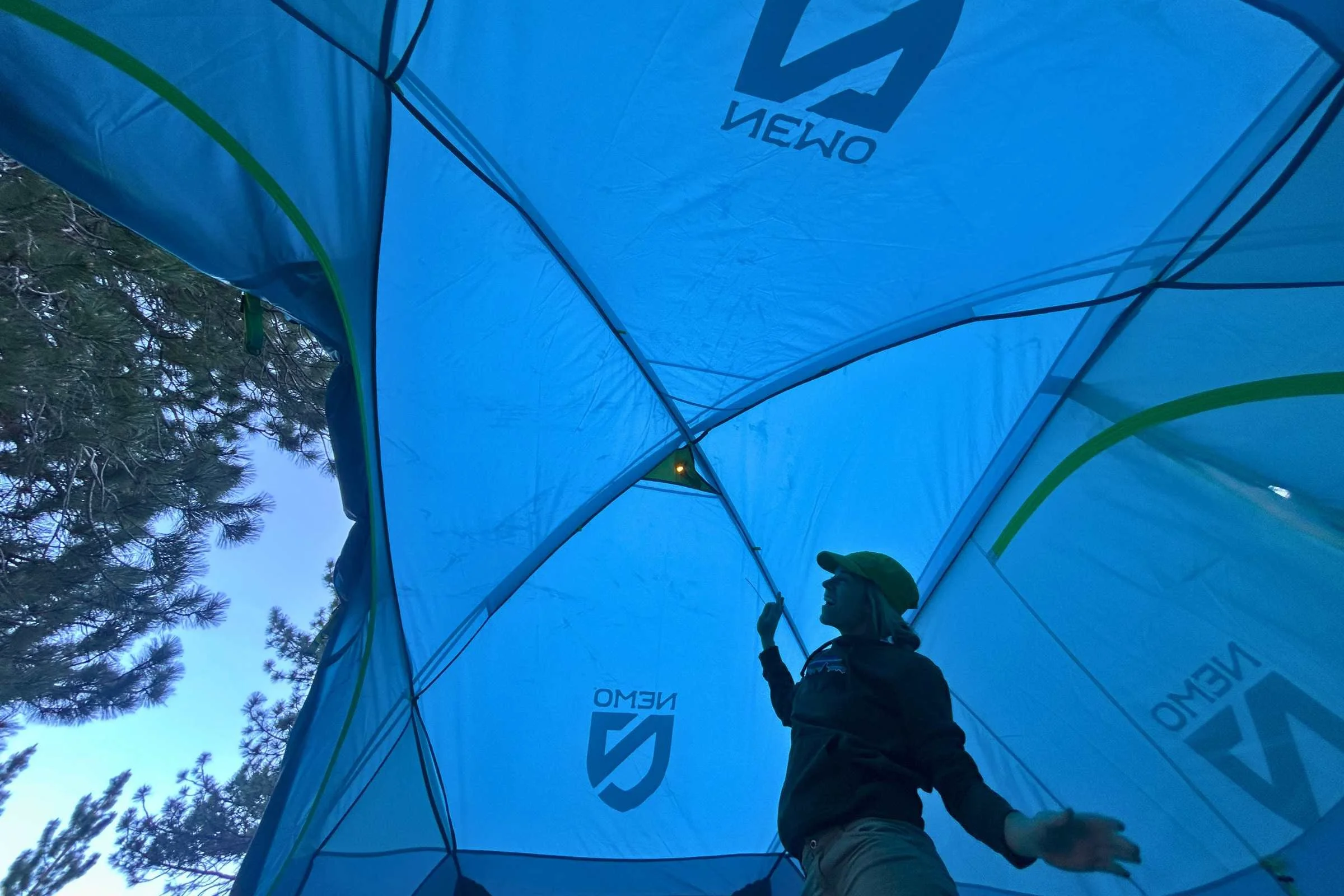
Modern innovators like Hypedome have introduced polycarbonate panels, creating a transparent bubble that offers a 360-degree view of the wilderness while maintaining high snow load capacity. Meanwhile, makers like Golden Trillium cater to those who prefer organic aesthetics, utilizing wood frames for a more artisanal feel. When choosing between these manufacturers, consider your setup time and permanence. A mountaineering dome can be pitched in 20 minutes with two people, while a large glamping kit might take a full day and a small crew.
FAQ
What are the benefits of a geodesic dome tent?
The primary benefits include unmatched structural integrity, high wind resistance, and superior volume-to-weight efficiency. Their shape allows for better air circulation and natural temperature regulation, making them comfortable in both extreme heat and cold.
Are geodesic dome tents good for high winds?
Yes, they are widely considered the most wind-resistant tent design available. The hemispherical shape allows wind to move around the structure rather than catching it, and the triangular frame distributes the force of gusts evenly to prevent the tent from collapsing.
How long does it take to assemble a geodesic dome tent?
Assembly time depends on the size. A standard 3 to 4-person expedition dome can be set up by two people in about 15 to 30 minutes. Larger residential or glamping domes are more complex and can take anywhere from 4 to 12 hours depending on the frame material and skin type.
How do you heat a geodesic dome tent in winter?
Many glamping-style domes come with stove jack ports for wood-burning stoves. For portable expedition domes, small propane heaters or specialized internal insulation liners are common. The spherical shape helps retain heat much better than rectangular structures by minimizing cold spots.
Are geodesic dome tents waterproof?
High-quality geodesic dome tents are exceptionally waterproof. Most are built with premium ripstop fabrics and treated covers that exceed 3000mm hydrostatic head ratings. Their shed-like shape also prevents water and snow from pooling on the roof, reducing the risk of leaks over time.
Ready for Your Next Adventure?
Whether you are planning a base camp at 15,000 feet or looking to install a luxury guest suite in your backyard, the geodome is the ultimate solution for those who refuse to compromise on stability or space. By marrying the laws of physics with modern material science, these structures provide a level of security that traditional tents simply cannot match. It is time to step inside the dome and experience the future of the great outdoors.