Quick Facts
- Safety Threshold: Never approach within 100 feet; defensive territorial aggression is often triggered at a distance of 10 feet.
- Primary Threat: Territorial aggression typically occurring during crepuscular activity (dawn and dusk).
- Recommended Gear: Use 600mm to 800mm telephoto lenses to maintain a safe distance.
- Habitat Hazards: Extreme conditions including altitudes of 12,000-18,000 ft and temperatures reaching -30°C.
- Best Practice: Always hire ethical local guides who understand tracking signs and respect distance regulations.
- Safety Record: This feline is statistically the least dangerous big cat to humans, with only two documented attacks and zero historical fatalities.
To ensure snow leopard safety, maintain a minimum distance of at least 100 feet and never approach for photos. If an encounter occurs, stay calm, do not run, and use high-magnification optics to observe from a distance, as closer proximity can trigger defensive territorial aggression.
Snow leopard safety is often misunderstood because these cats are famously recluses. However, recent incidents in the Altai Mountains prove that approaching them is a major risk. For decades, hikers and researchers have called this species the ghost of the mountains due to their incredible camouflage and solitary nature. In the high-altitude reaches of Central Asia, spotting one is considered a once-in-a-lifetime event. But as mountain tourism increases and smartphone cameras become more capable, a dangerous trend of reckless photography has emerged. Modern travelers often mistake the reclusive nature of the cat for tameness, leading to encounters that put both the human and the animal at risk.
The Altay Lesson: Why Proximity Kills
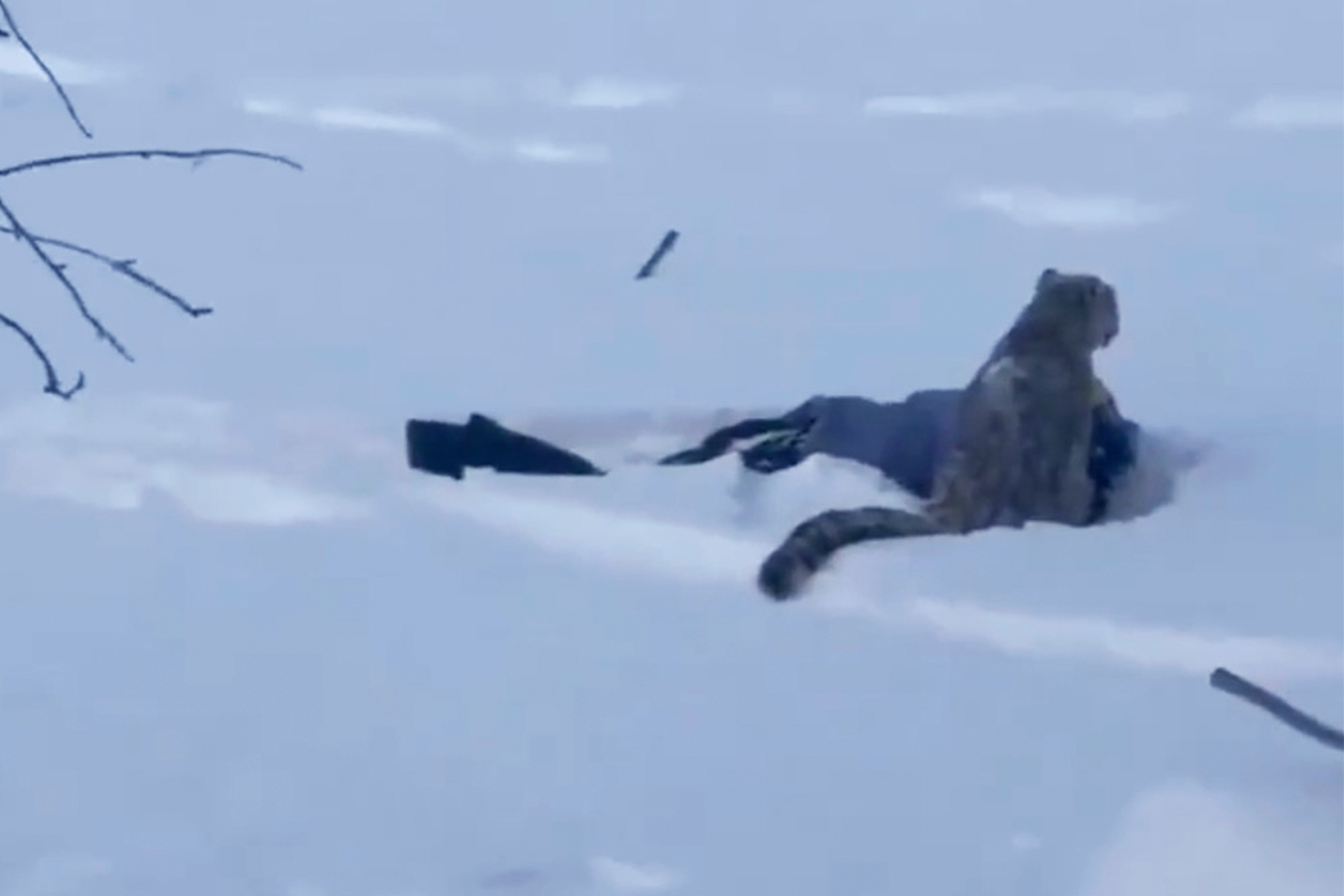
The reality of mountain predator safety was highlighted by a harrowing incident in January 2026. A solo skier in the Altai Mountains spotted a sub-adult leopard near a rocky outcrop. Instead of backing away, the skier attempted to close the gap to just 10 feet to secure a high-resolution selfie. This proximity violation triggered a defensive response from the cat, which felt cornered against the cliffside. The resulting attack led to severe facial mauling before the animal retreated.
This incident serves as a stark warning about preventing wildlife attacks while taking nature photography selfies. While Uncia uncia is not naturally inclined to hunt humans, any apex predator behavior includes defending a kill or a territory when threatened. The ghost of the mountains relies on its invisibility; when that is compromised by a human standing a few paces away, the animal’s only remaining defense is its claws. If you find yourself in a situation where you are wondering what to do if a snow leopard approaches you, the answer is never to lean in for a better shot. The moment the animal stops its natural behavior and begins staring directly at you, you have already crossed an invisible line.
Understanding the Apex Predator: Speed and Agility
To respect snow leopard safety, one must first understand the sheer physical power of the animal. These cats are built for the world’s most vertical terrain. They possess a physical explosive power that makes a 10-foot or 20-foot gap essentially non-existent. Evolution has gifted them with an extraordinary ability to leap horizontally up to 50 feet and vertically as high as 30 feet in a single bound.
Beyond their jumping ability, these predators can reach running speeds between 35 and 40 miles per hour over short, rugged distances. They are designed to take down Himalayan blue sheep and ibex that weigh three times their own body mass. When a human enters their immediate strike zone, they are not facing a domestic cat; they are facing a muscle-dense predator that perceives a close-range human as a competitor or a direct threat to its survival. This territorial aggression is not malice; it is biological programming.
| Feature | Safe Viewing (Telephoto) | Dangerous Viewing (Phone/Selfie) |
|---|---|---|
| Distance | 100+ Feet | Under 30 Feet |
| Equipment | 600mm - 800mm Lens | Smartphone / Rangefinder |
| Animal Behavior | Natural, hunting, or resting | Alert, staring, tail-twitching |
| Risk Level | Negligible | Critical (Triggering predatory instinct) |
| Outcome | Ethical documentation | Potential attack or animal displacement |
How to Photograph Snow Leopards Safely
If your goal is photographing wildlife safely, you must shift your mindset from proximity to magnification. Professional photographers who spend months in the field never aim to get close; they aim to get clear. The benefits of telephoto lenses for safe wildlife viewing cannot be overstated. By using a 600mm or even an 800mm focal length, you can capture the glint in a leopard's eye while remaining entirely outside its defensive perimeter.
Ethical wildlife photography also requires the assistance of those who know the land. Finding a ghost of the mountains without professional help is nearly impossible and often leads to hikers wandering into sensitive breeding or hunting grounds. It is essential to seek out ethical guidelines for finding snow leopards with local guides who are trained in conservation. These experts understand the nuances of crepuscular activity and can identify tracking signs like scrapes, scent marks, and pugmarks from a distance, ensuring you see the animal without it feeling pressured.
Expert Tip: Never follow a snow leopard if it moves away. If the cat changes its direction or stops what it was doing because of your presence, you are too close. Ethical viewing means being a ghost yourself—leaving no trace and causing no stress to the animal.
Beyond the Cat: Environmental Safety Risks
While the feline itself is the focus of most travelers, the environment they inhabit is often the greater danger. Snow leopard safety involves more than just feline encounters; it requires surviving the roof of the world. These animals thrive in oxygen-thin air where high-altitude acclimatization is a mandatory physiological requirement.
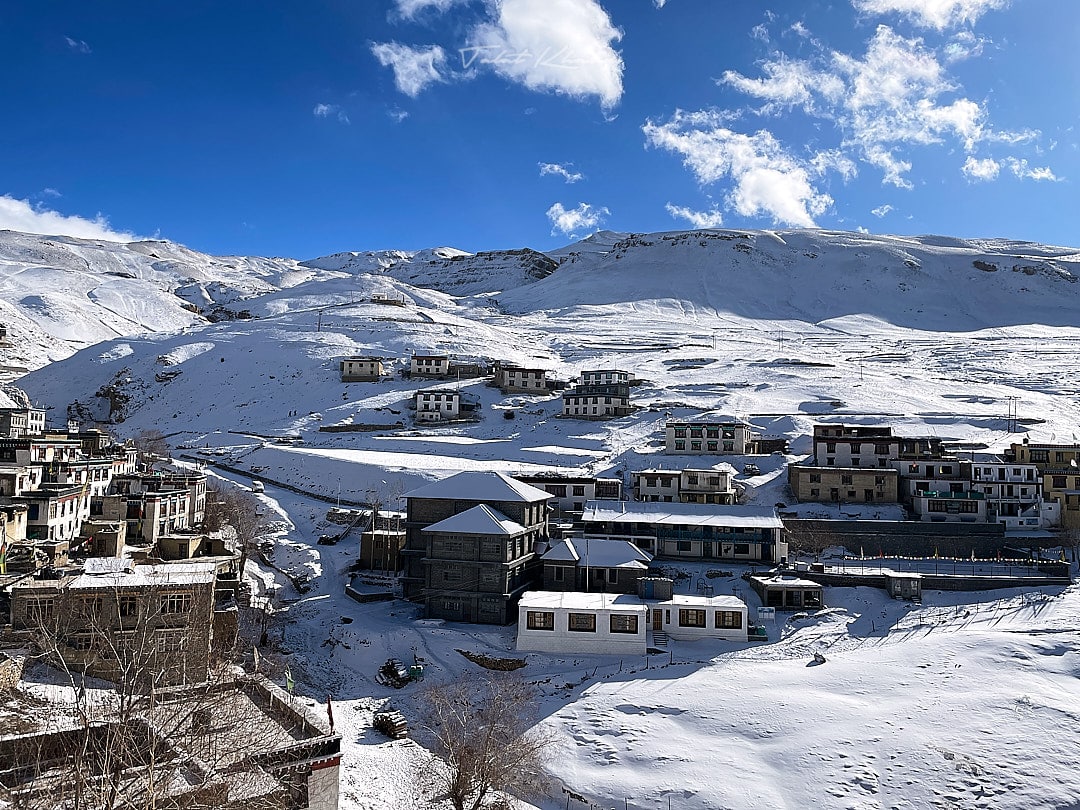
Before even stepping onto a trail, visitors must consider the essential fitness training for high altitude wildlife tracking. You will be navigating scree slopes and ridgelines at 14,000 feet in temperatures that can plummet to -30°C. Human-wildlife conflict often arises when an exhausted, cold, or disoriented trekker stumbles into a leopard's resting spot because they were too tired to maintain situational awareness.
Safety Checklist for High-Altitude Tracking:
- Acclimatization: Spend at least 3-4 days at base altitude before ascending further.
- Hydration: Drink double the usual amount of water to combat the drying effects of high altitude.
- Thermal Intelligence: Layering is life; use high-quality merino wool and down to prevent hypothermia.
- Medical Awareness: Know the signs of Acute Mountain Sickness (AMS), such as persistent headaches or nausea.
By focusing on your own physiological preparedness, you lower the risk of making an error in judgment that could lead to a snow leopard encounter advice scenario you aren't prepared for. How far to stay from snow leopards for safety is a question that is easier to answer when you are thinking clearly and not struggling for breath.
FAQ
Are snow leopards dangerous to humans?
Statistically, they are the least aggressive of all big cats toward people. They are naturally reclusive and generally go to great lengths to avoid human contact. However, they are powerful apex predators that will defend themselves if they are cornered, threatened, or if a human gets within their immediate flight distance, especially during their active dawn and dusk periods.
Has there ever been a recorded snow leopard attack on a person?
Yes, but they are incredibly rare. There are only two confirmed attacks in modern history, one of which involved a cat that was later found to be sick, and another triggered by extreme proximity for photography. There have been no documented human fatalities caused by snow leopards, making them far less dangerous than lions, tigers, or common leopards.
How do I stay safe while trekking in snow leopard territory?
The best way to stay safe is to remain observant and travel with an experienced guide. Avoid trekking alone during crepuscular hours when the cats are most active. Stick to established ridgelines and avoid crawling into small caves or rocky overhangs where a leopard might be resting or sheltering from the sun.
What should you do if you encounter a snow leopard in the wild?
If you see a snow leopard, stop moving immediately. Maintain eye contact but do not stare in a way that seems like a challenge. Back away slowly while keeping the cat in your field of vision. Do not turn your back and never run, as running can trigger a chase instinct. Most leopards will simply watch you from a distance or disappear into the rocks as soon as they realize you are there.
Is it safe to go on a snow leopard spotting expedition?
Yes, provided you choose an expedition led by ethical, conservation-minded organizations. These tours prioritize the safety of the guests and the well-being of the cats by staying at a distance and using high-powered spotting scopes and telephoto lenses. The main risks on these trips are typically the extreme cold and high altitude rather than the animals themselves.
Conservation Through Distance
Ultimately, the best way to honor the beauty of Uncia uncia is to keep your distance. Respecting the safety threshold of these cats ensures that they can continue to hunt and raise their young without the stress of human interference. When we choose professional optics over the lure of a close-up selfie, we support a culture of respect that protects both the traveler and the ghost of the mountains.
Safe mountain travel and responsible photography are the twin pillars of modern wildlife tourism. By hiring local experts, preparing for the altitude, and keeping our lenses long, we can witness the majesty of the apex predator without ever becoming a threat to their survival—or a victim of their power. Always remember that in the high Altai or the Himalayas, you are a guest in a realm where the inhabitant can leap 50 feet to defend its home. Stay back, stay safe, and let the ghost remain a mystery.