Our Top Picks
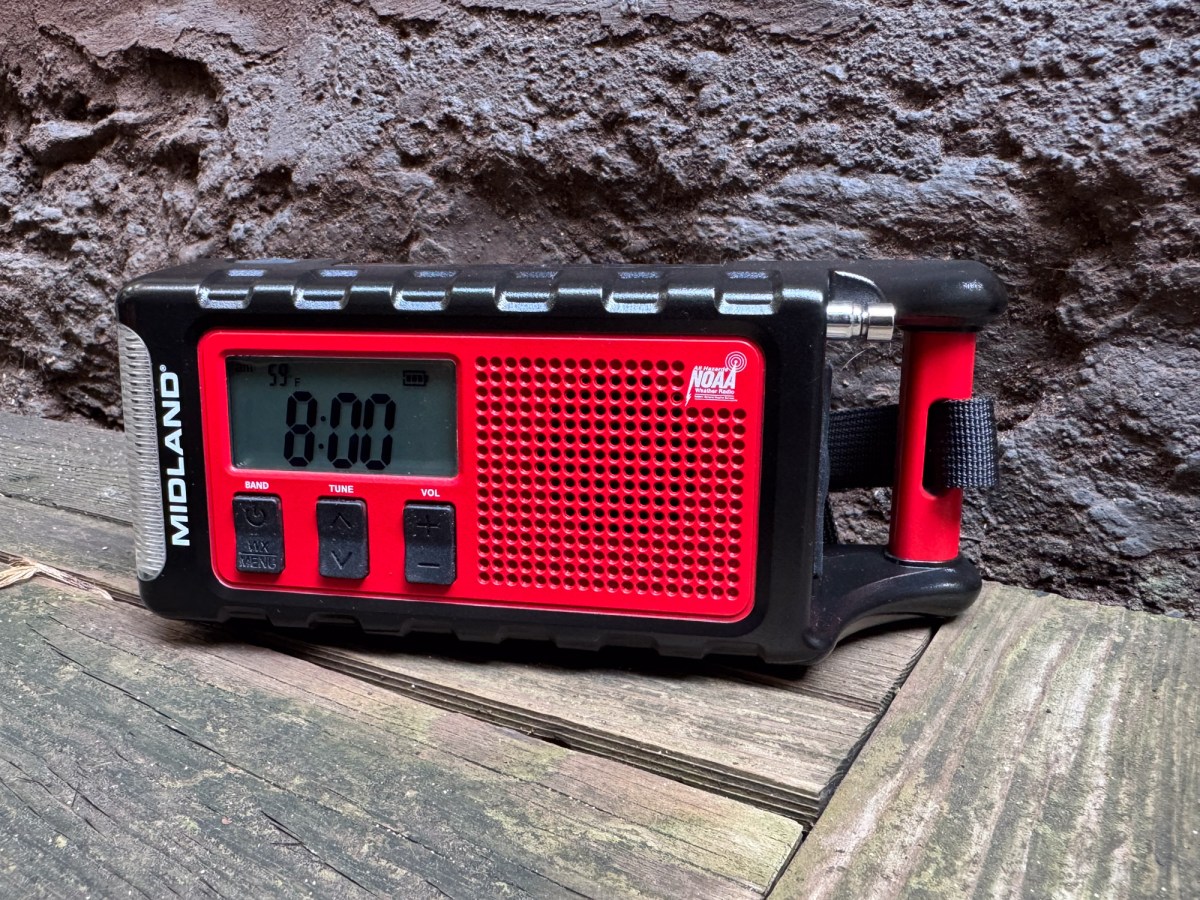
- Editor's Choice: Midland ER310PRO – The ultimate survival hub with a massive battery and the most reliable hand crank weather radio mechanism we tested.
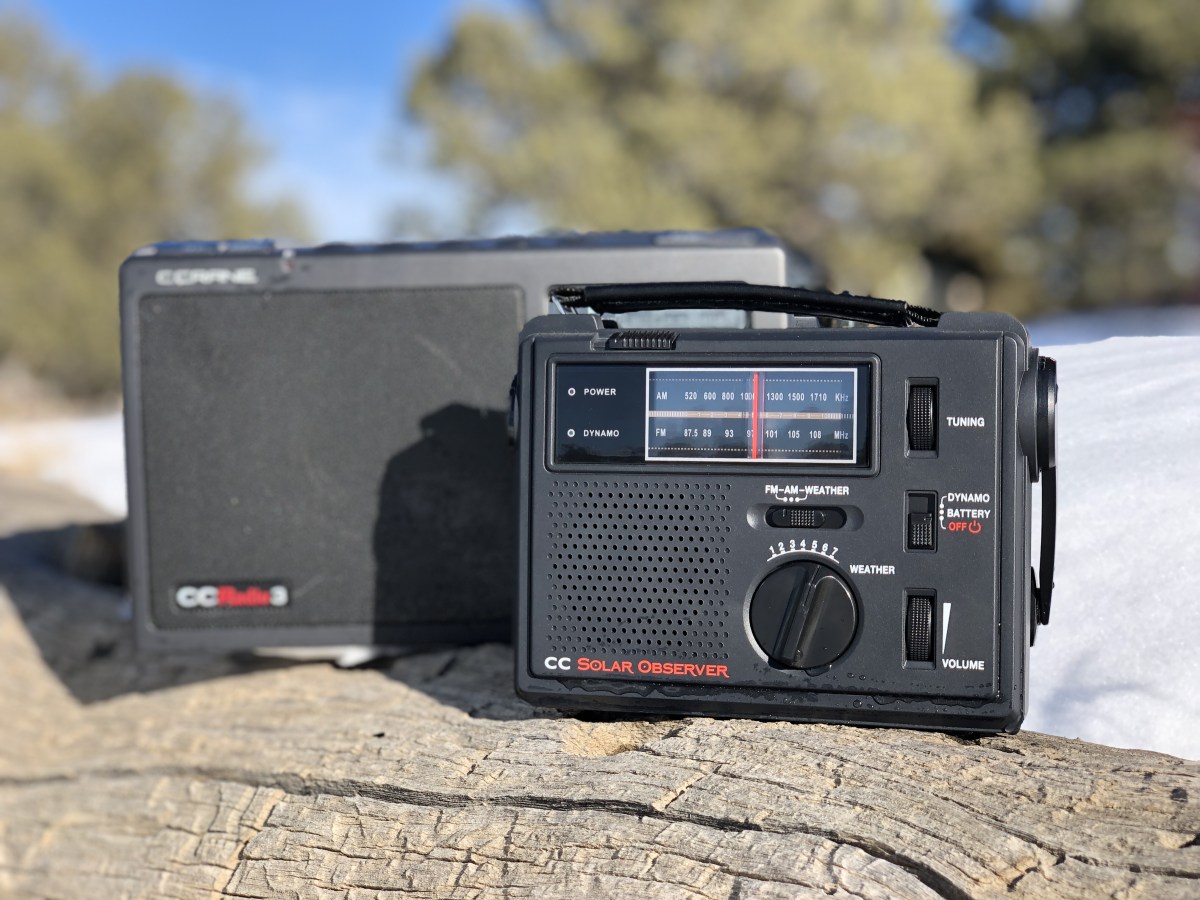
- Best for Hikers: C.Crane CC Skywave – Exceptional signal reception quality in a pocket-sized frame, perfect for those who need lightweight weather radios for backpacking and hiking.
- Best Budget: Midland ER210 – Compact and reliable, providing all the essential noaa emergency radio features without the professional-grade price tag.
- Best Tech: Nitigo Emergency Radio – Leads the 2026 standards with a 14,800mAh battery and bidirectional USB-C charging for modern smartphones.
Weather radios provide critical emergency information when cellular networks fail. Unlike phones, the best weather radios operate on dedicated National Weather Service VHF frequencies, ensuring life-saving alerts even when power grids are dark and internet services are offline.
| Model | Best For | Battery Capacity | Power Sources | Weight |
|---|---|---|---|---|
| Midland ER310PRO | Home Safety | 5000 mAh | Solar, Crank, AA, Li-ion | 1.0 lb |
| Nitigo Survival | High Power | 14,800 mAh | Solar, Crank, USB-C | 1.3 lbs |
| C.Crane Skywave | Backpacking | 2 AA Batteries | Alkaline, NiMH | 5.5 oz |
| Midland ER210 | Budget | 2600 mAh | Solar, Crank, Li-ion | 0.8 lb |
| Eton Sidekick | Casual Use | 2600 mAh | Solar, Crank, USB | 1.2 lbs |
Why Your Phone Isn't Enough: Weather Radio vs. Cellular Alerts
You likely rely on your smartphone for everything from navigation to grocery lists. However, when a natural disaster strikes, that thin glass rectangle becomes remarkably vulnerable. During Hurricane Beryl in 2024, approximately 30 percent of cellular sites in impacted areas were incapacitated due to power outages, proving that digital networks are far from invincible. When a cell tower loses power or becomes congested with thousands of people trying to call loved ones, your weather apps stop updating.
A dedicated noaa emergency radio operates on a different principle. It utilizes a high-sensitivity antenna to pick up VHF signals directly from the National Weather Service. These broadcasts are designed for resilience. The NOAA Weather Radio network is accessible to approximately 98 percent of the United States population, serving as the only federal 24/7 warning system for weather, natural disasters, and civil emergencies.
The difference in safety outcomes is staggering. Research indicates that the expansion of the NOAA Weather Radio network is associated with an estimated 40 percent reduction in tornado-related injuries and an approximately 50 percent reduction in tornado-related fatalities. Having a device that works independently of the internet during the hurricane season is not just a secondary backup; it is your primary off-grid communication lifeline.
2026 Standards: What Defines the Best Weather Radios
As we move into 2026, the criteria for the best weather radios have evolved. We are no longer looking for simple plastic boxes that play static-filled audio. Modern disaster preparedness kit requirements demand better power integration and ruggedized housing.
One major shift is the move toward USB-C bidirectional charging. Older models often featured slow micro-USB ports that could only receive a trickle charge. The latest emergency weather radio reviews focus on units that offer 2.1A output, which is the minimum standard required to realistically charge a modern smartphone in a reasonable timeframe. We are also seeing a massive jump in battery size. While a 2000mAh battery used to be standard, the new high-capacity units now boast internal power banks of 10,000mAh to 14,800mAh.
Beyond power, look for an IPX4 water resistance rating. If you are evacuated during a flood or a heavy storm, your radio needs to survive splashes and rain. Digital frequency tuning has also replaced most analog dials, ensuring you can lock onto the correct channel without fumbling in the dark. A bright LED SOS beacon is another modern essential, allowing you to signal for help visually if you are stranded without a signal.
The Best Weather Radios for Home Preparedness
For a stationary home kit, weight is less of a concern than capability. You want a survival hub that can act as a lantern, a phone charger, and a reliable source of information. The Midland ER310PRO remains a top contender because of its balanced feature set. It offers a 7-channel NOAA access and a Public Alert certification, meaning it meets rigorous standards for receiving emergency signals.
Models like the Nitigo are pushing the boundaries of what home units can do. With a massive battery, it can keep small electronics functional during extended power outages that last for days. These units often feature S.A.M.E. technology, which allows you to program your specific county into the device. Instead of being woken up by a storm alert for a town three counties away, the radio only sounds its alarm for threats in your immediate area.
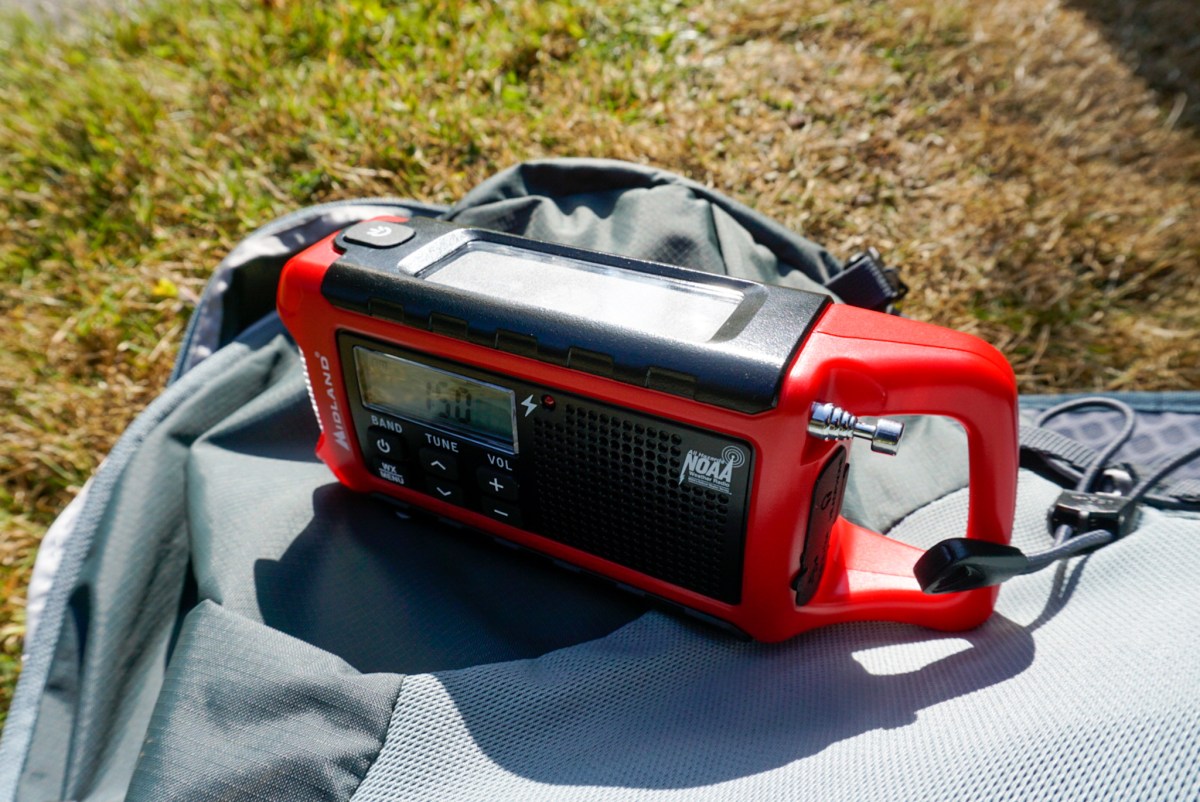
When choosing a home unit, prioritize multiple power sources. The best weather radios for extreme weather 2026 should offer at least four ways to stay powered: an internal rechargeable battery, an alkaline battery backup (usually AA or AAA), a hand crank, and a solar panel. This redundancy ensures that no matter how long the grid stays dark, you have access to the National Weather Service.
Best Lightweight Weather Radios for Backpacking and Hiking
If you are a minimalist hiker, every ounce in your pack matters. However, venturing into the backcountry without a way to monitor local weather is a significant risk. For these users, we look for lightweight weather radios for backpacking and hiking that weigh less than 6 ounces.
The C.Crane CC Skywave is the gold standard here. While it lacks a hand crank or solar panel, it runs for dozens of hours on two AA batteries. In remote canyons or high Elevations, signal sensitivity is the most important factor. The Skywave is legendary for its ability to pull in weak signals where other radios only find static.
Another great option for the trail is the Vondior pocket radio. It is incredibly affordable and simplifies the experience down to the basics. While it doesn't offer phone charging capabilities, its small footprint makes it easy to keep in a side pocket for quick weather checks during a trek. For those who want a bit more utility, some compact hand crank weather radio models now weigh under 8 ounces, offering a compromise between portability and self-sufficiency.
How We Tested: Signal Strength and Durability Benchmarks
Our testing process for the best weather radios involves more than just turning them on in a sunny backyard. To simulate real-world emergency conditions, we took every unit into a shielded basement with thick concrete walls to test signal reception quality. A radio that works in an open field but fails in a storm shelter is useless when you need it most.
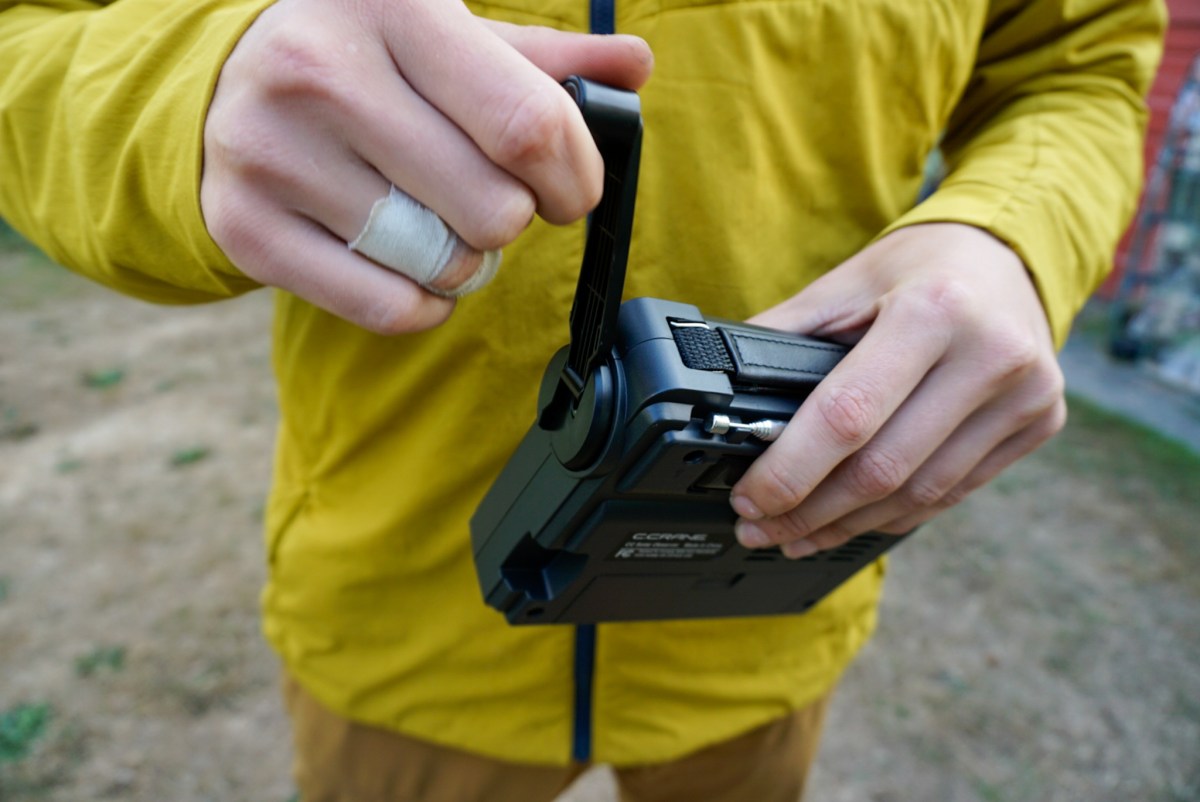
We also performed a 7-foot drop test onto packed dirt to ensure the ruggedized housing could withstand the chaos of an evacuation. For the manual power generation test, we timed how much audio playtime was produced by one minute of cranking at a steady pace. The top performers achieved a ratio of 1 minute of cranking to 9 minutes of audio, while lower-end models struggled to provide even 3 minutes.
Durability testing also includes checking the weather seals on charging ports. In our 2026 trials, we looked for covers that stayed secure even after repeated use. Lastly, we tested the 2.1A charging ports against modern phones to verify they could actually deliver a charge, rather than just slowing the rate of battery drain.
User Guide: S.A.M.E. Programming and Better Reception
Specific Area Message Encoding, or S.A.M.E. technology, is perhaps the most misunderstood feature of modern radios. Every county in the United States has a unique six-digit code. By entering this code, you "tell" your radio to only alert you for local emergencies. This prevents "alert fatigue," where you begin to ignore the radio because it goes off too often for distant storms.
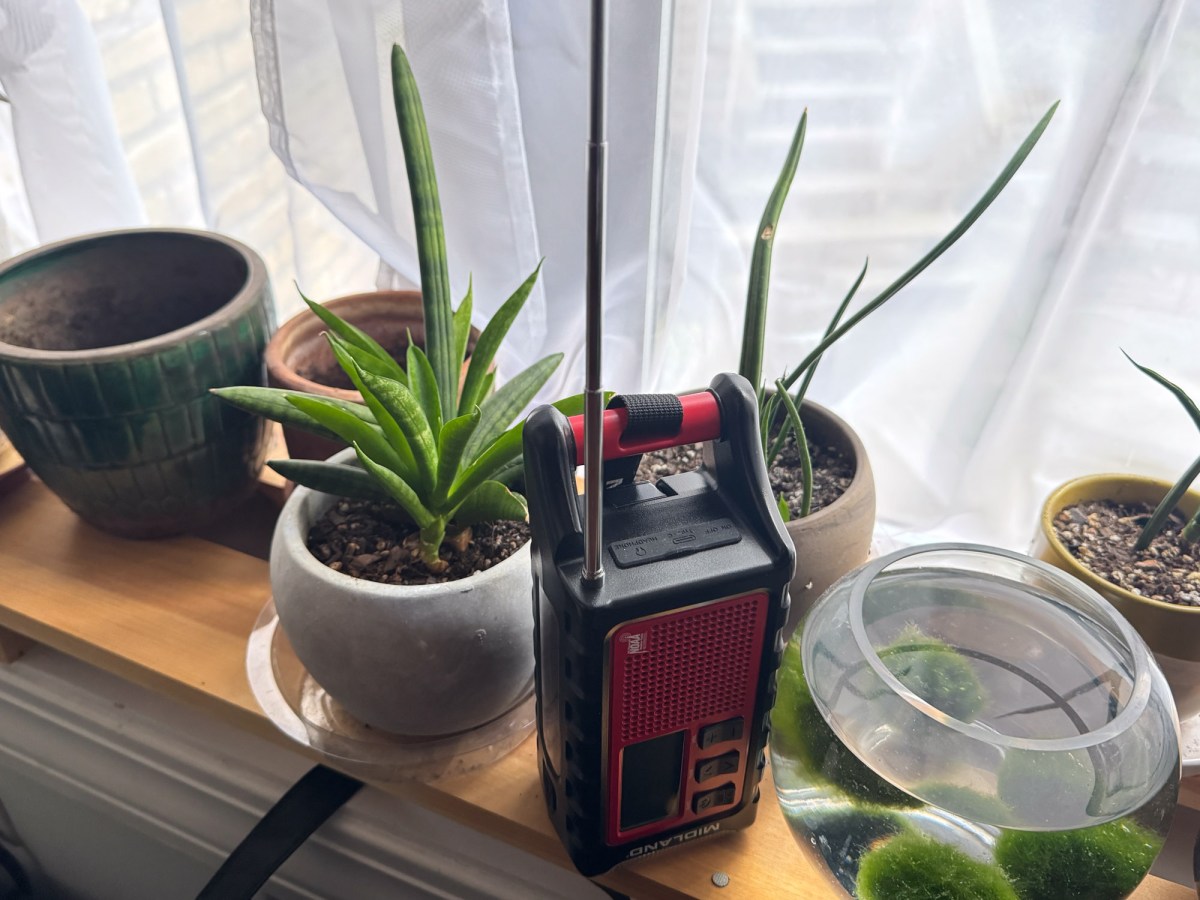
To achieve the best signal reception on a weather radio, always fully extend the antenna. If you are inside, place the unit near a window with a clear view of the sky. Radio waves on the VHF frequency range travel via line-of-sight, meaning physical obstacles like hills or heavy foliage can degrade the signal. If you find the audio is fuzzy, moving the device just a few feet toward a higher elevation or a different window can make a massive difference in clarity.
For those living in deep valleys or basement apartments, consider a radio with an external antenna jack. This allows you to run a wire to a higher point, dramatically improving your access to National Weather Service broadcasts. Remember to test your radio at least once a month to ensure the batteries are still holding a charge and the antenna hasn't become loose.
FAQ
What are the most important features to look for in a weather radio?
The most critical features include multiple power sources such as a hand crank, solar panel, and battery backup, alongside 7-channel NOAA access. You should also prioritize S.A.M.E. localized alerts to ensure notifications are relevant to your specific area, and look for a unit with a high-capacity battery and USB charging ports to keep your phone functional.
How does a NOAA weather radio work?
A NOAA weather radio works by receiving dedicated VHF radio signals from the National Weather Service. These frequencies are separate from standard AM/FM stations and are used exclusively for emergency broadcasts. Even when the power grid and cellular towers are down, these radio transmitters usually remain operational, providing a continuous stream of weather and safety information.
Is a battery-powered or solar-powered weather radio better?
The most reliable hand crank weather radios for emergencies use a combination of both. Solar is excellent for maintaining a charge during the day without effort, but battery power is more reliable for immediate use or during thick cloud cover. A high-quality radio should offer both, plus a hand crank for when all other power sources are exhausted.
What is SAME technology on a weather radio?
S.A.M.E. stands for Specific Area Message Encoding. This technology allows you to program your radio with a specific code for your county or region. Instead of receiving alerts for an entire state or a broad broadcast area, the radio will only sound an alarm for emergencies that directly impact your precise location, reducing unnecessary noise and alert fatigue.
Do weather radios work when the power is out?
Yes, weather radios are specifically designed to work when the power is out. By using internal rechargeable batteries, alkaline battery backups (like AA batteries), solar panels, or a hand crank, these devices can operate for days or even weeks without being plugged into a wall outlet. This makes them a fundamental tool for any disaster preparedness kit.