Quick Facts
- Survival Accuracy: Bear spray is 98% effective in preventing injury according to backcountry studies.
- Safety in Numbers: Groups of three or more reduce the risk of a bear-related incident by over 90%.
- Campsite Distance: Maintain a 100-yard gap between your sleeping area and your cooking or storage areas.
- Food Storage: Only use IGBC-certified bear-resistant food storage to prevent wildlife habituation.
- Detection: Freshness of tracks and scat is the most reliable way to determine immediate risk levels in your vicinity.
- Core Strategy: Following proper bear safety tips means storing attractants in bear-resistant containers, making constant noise, and carrying bear spray in an accessible holster.
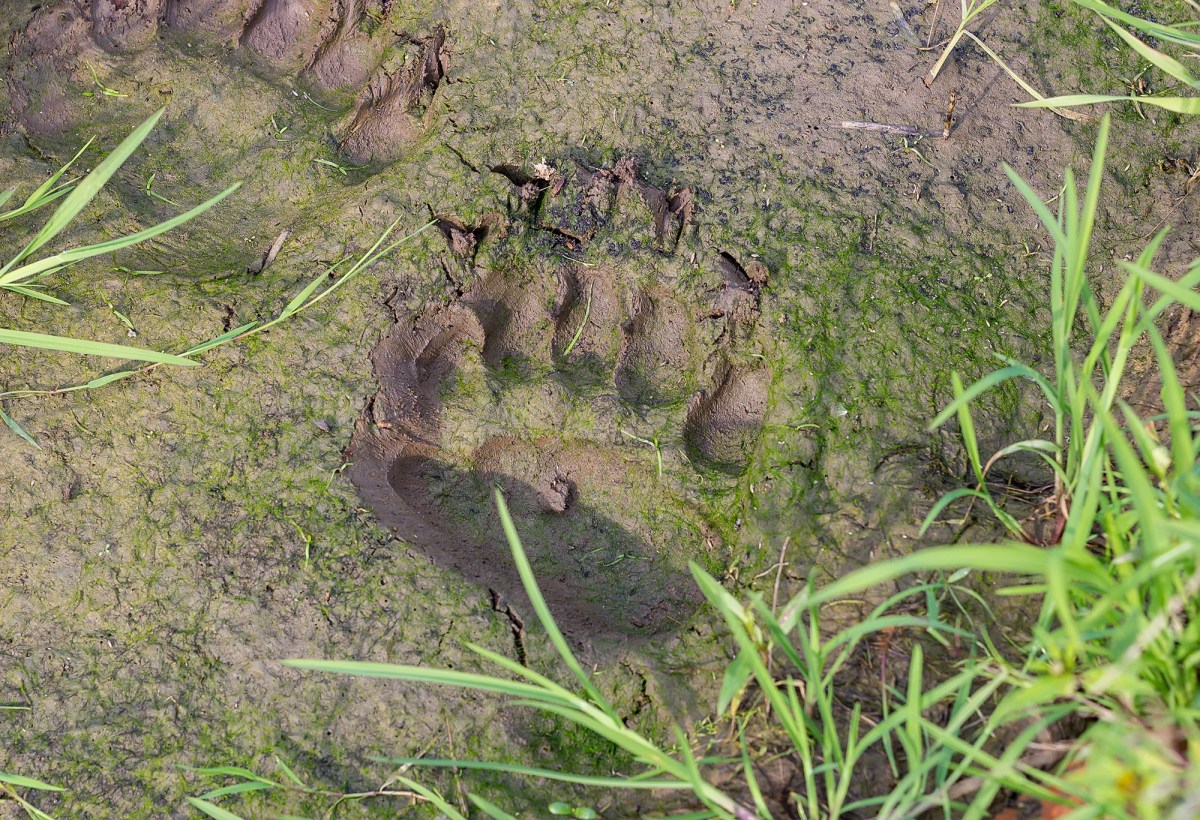
Essential bear safety tips are critical for any wilderness excursion. By focusing on bear-resistant food storage and identifying bear signs early, hikers can reduce encounter risks by over 90%. To identify bear signs in the backcountry, look for fresh tracks, claw marks, and scat. Grizzly tracks show longer claws and a straight toe pattern, while black bear tracks are smaller with more curved toes. High-alert areas include thick brush and locations near cached kills or fruit patches. Making noise and hiking in groups of three or more are proven strategies to alert bears of your presence and avoid surprise encounters.

Identifying Bear Signs: Reading the Landscape
Stepping into the wild requires more than just a map; it requires the ability to read the environment around you. Developing strong backcountry situational awareness involves recognizing that you are in someone else's home. The first indicators of a bear’s presence are often left in the mud or on the trees. When identifying bear signs, the age of the indicator is just as important as the species. Fresh scat will appear moist and shiny, whereas older scat is dry and bleached by the sun.
When identifying grizzly versus black bear tracks and scat, look closely at the toe alignment. A grizzly bear leaves a track where the toes are nearly in a straight line, and the claw marks usually appear two to three inches away from the toe pads. Conversely, black bear tracks show more curved toes and shorter claw marks that are much closer to the pads. Beyond tracks, look for territorial indicators like claw marks high on tree trunks or patches of fur caught in bark.
Be especially vigilant in high-risk areas. Thick brush, riparian zones near rivers, and large fruit patches are prime foraging grounds. If you stumble upon a cached kill—a carcass covered with dirt or debris—leave the area immediately and at a brisk pace. These are highly defended visual track indicators that a bear is nearby and likely to protect its food source.
On the Trail: Preventing Surprise Encounters
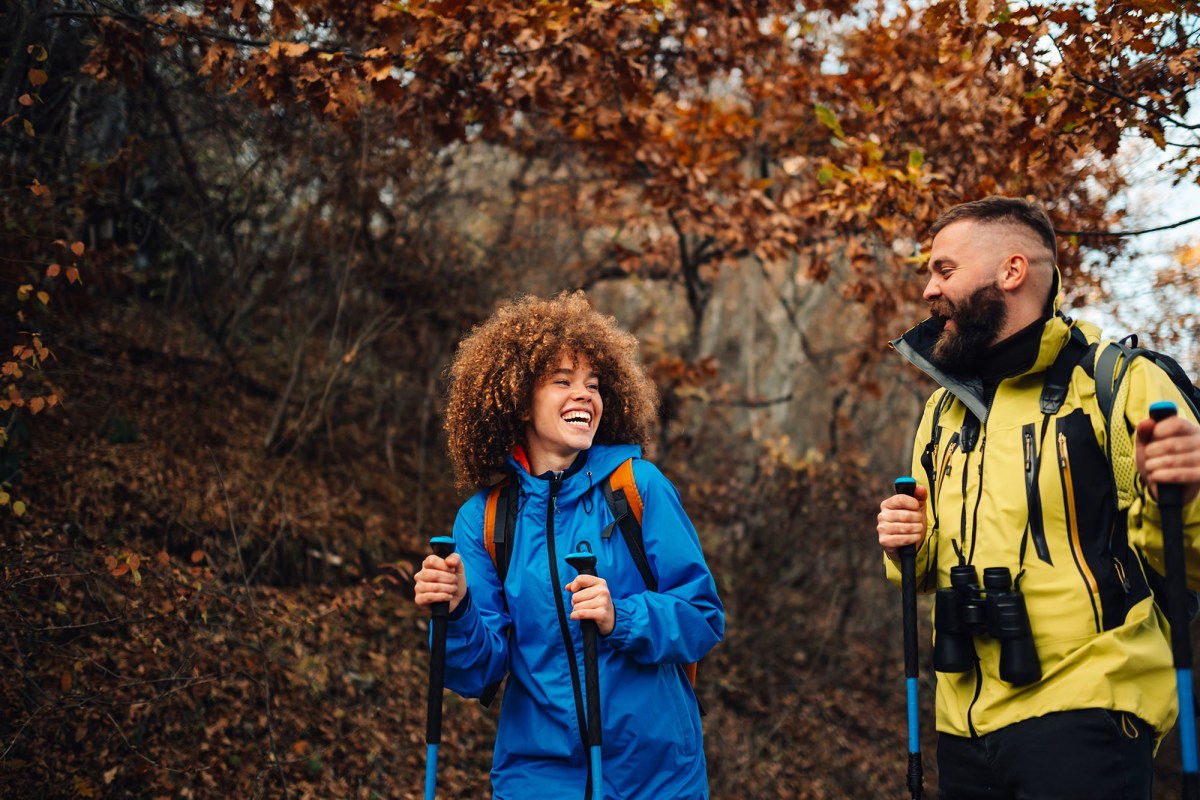
The most dangerous encounter is the one where both parties are surprised. Bears generally want to avoid humans as much as we want to avoid them, but their natural defense mechanism when startled is to charge. Understanding how to prevent surprise bear encounters while hiking starts with your voice. Modern bear avoidance tips for dawn and dusk hikers emphasize that human speech is the most recognizable sound for a bear. While some people use bear bells, they are often too high-pitched and quiet to be effective over the sound of wind or running water.
Instead, practice making noise on trails to alert bears of presence by calling out "Hey bear" or clapping your hands, especially when approaching blind corners or loud stream crossings. Statistics from Yellowstone show that 91% of individuals injured by bears since 1970 were either hiking alone or in a group of only two people. Hiking in a group of three or more creates a larger profile and a constant stream of noise that bears can identify from a distance.
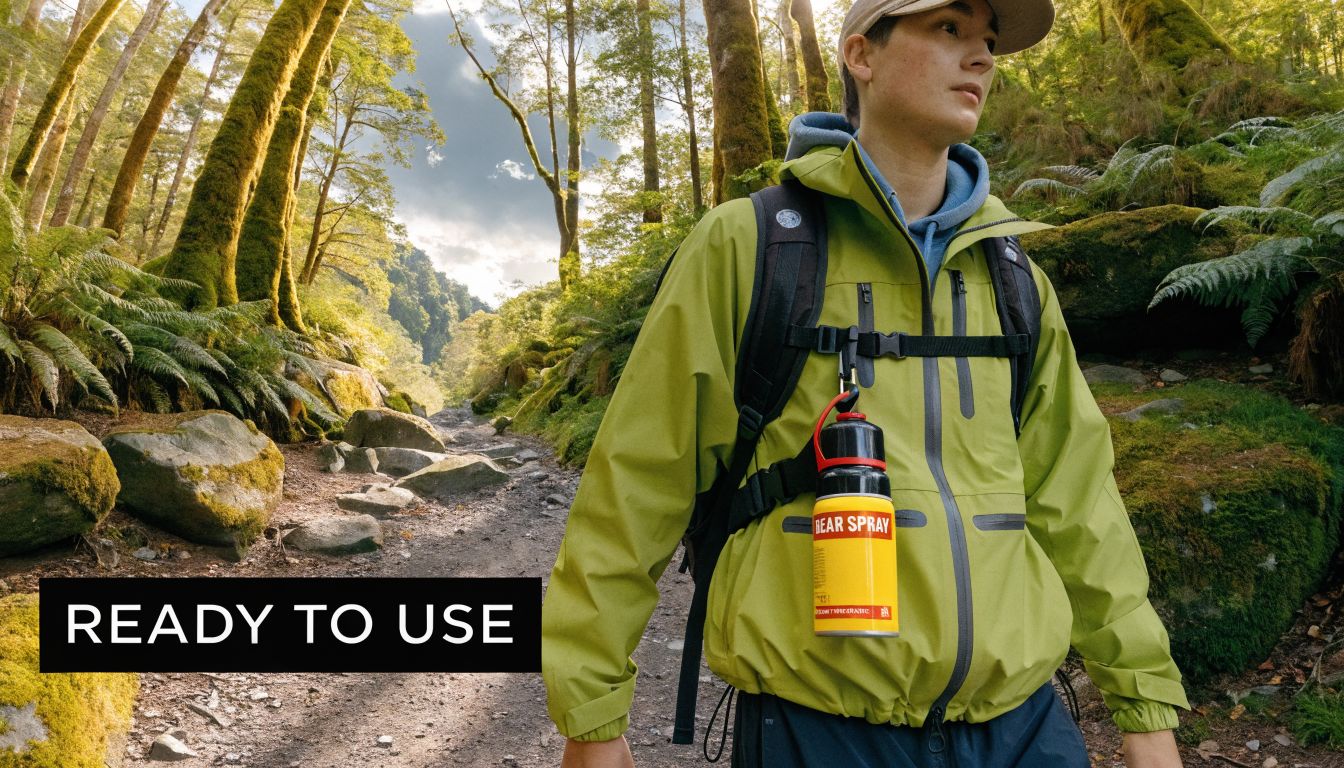
Timing is also a factor. Crepuscular activity patterns mean bears are most active during the low-light hours of dawn and dusk. If you must hike during these times, increase your noise frequency. Throughout the hike, maintain the 1-Motion Rule: all your safety gear must be accessible with one hand without removing your pack. This is achieved through deterrent holstering systems that keep your defensive tools on your body, not buried in a side pocket.
Campsite Discipline: The 70-Step Triangle Layout
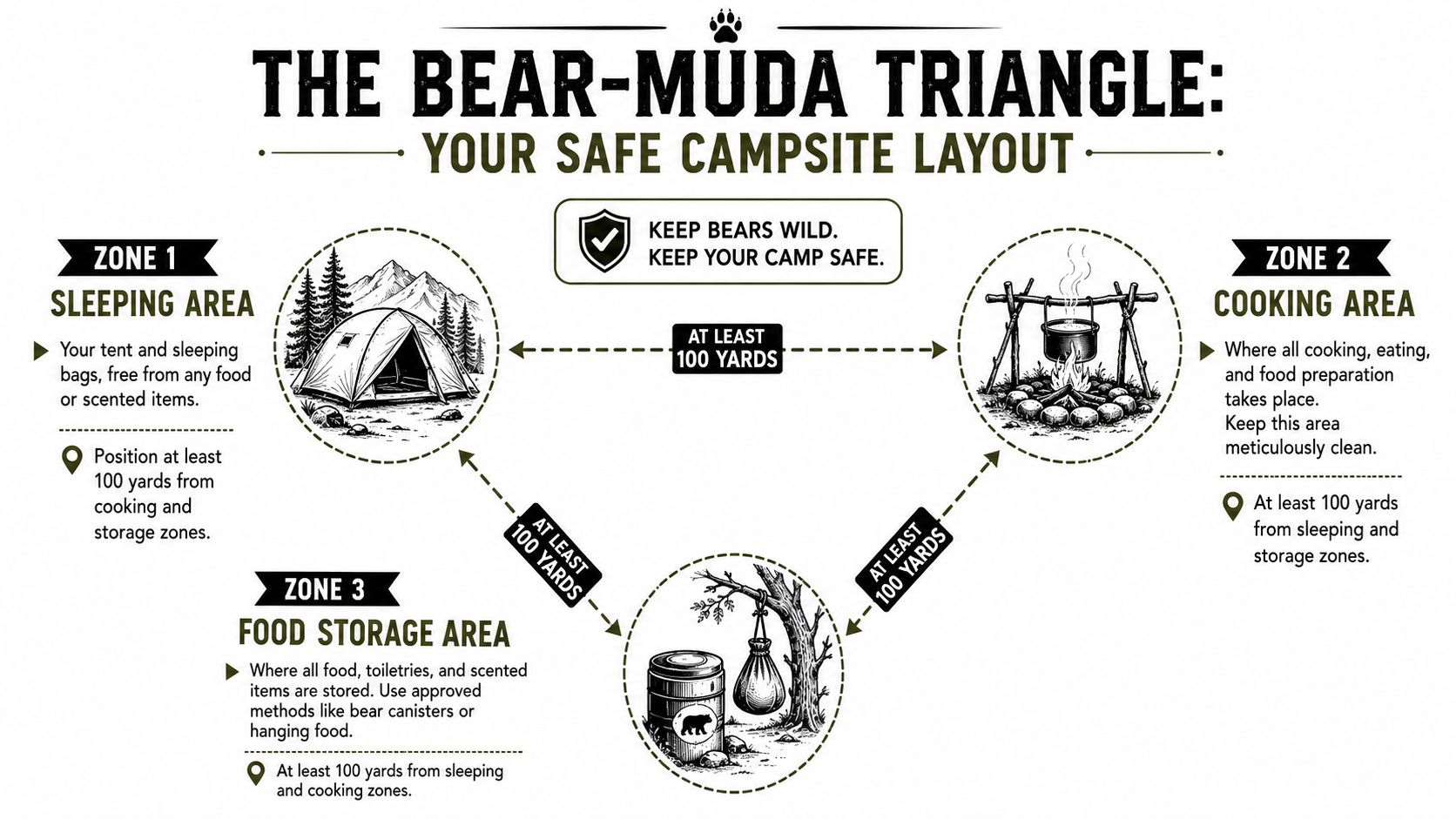
Managing your campsite is a matter of wildlife scent management. Once a bear associates a human camp with a food reward, they become habituated, which often leads to the bear being euthanized. To prevent this habituation prevention failure, you must adhere to strict scent discipline protocols. The most effective method is implementing the proper campsite layout for bear safety, often called the bear-muda triangle.
Imagine a triangle where each point is roughly 70 big steps (about 100 yards) apart. One point is your sleeping area, the second is your cooking and eating area, and the third is your food storage area. This configuration ensures that if a bear is attracted to a smell, it is directed away from where you are sleeping. When setting up, consider wind direction; you want the wind to carry smells away from your tent, not toward it.
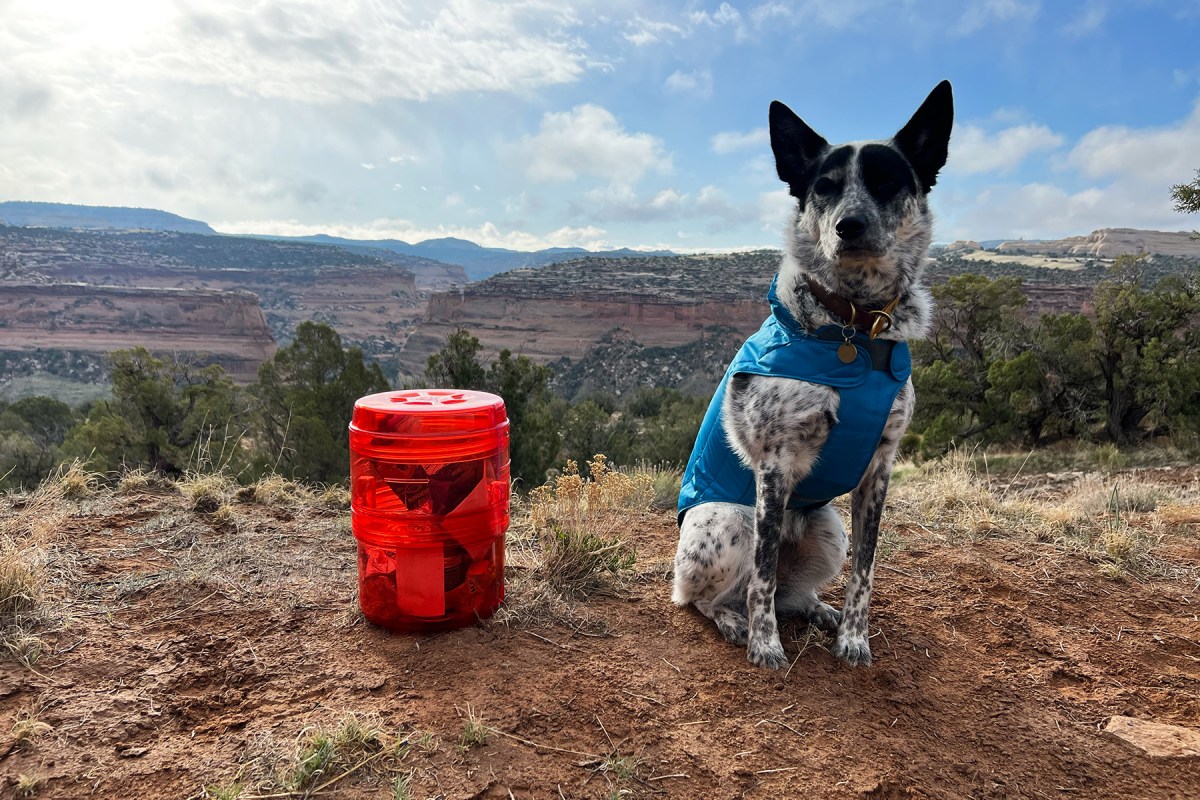
Using bear resistant food canisters in the backcountry is the gold standard for overnight safety. These hard-sided containers are designed to withstand hours of prying from a grizzly. Proper bear-resistant food storage isn't just for meals; it includes storing toiletries and scented items in bear country, such as toothpaste, lip balm, and even empty wrappers. Avoid hanging food in trees unless there are designated bear poles, as many bears have learned to defeated elaborate hang systems.
When placing your canister for the night, find a level spot on the ground 100 yards from your tent. Do not hide it in rocks or near a cliff, as a bear might knock it into an unreachable crevice or over a ledge. The goal of bear-resistant canister testing is to ensure the bear cannot gain a grip or crush the container, eventually giving up and moving on.
Defensive Gear: Mastering Bear Spray
If prevention fails and an encounter occurs, you need a tool that is proven to work. When carrying bear spray for hiking, you are carrying a non-lethal deterrent that is 92% effective in deterring aggressive bear behavior. More impressively, 98% of people who used it remained uninjured in close-range encounters. This outperforms firearms, which statistically result in higher injury rates for the human due to the difficulty of hitting a small, fast-moving target under extreme stress.
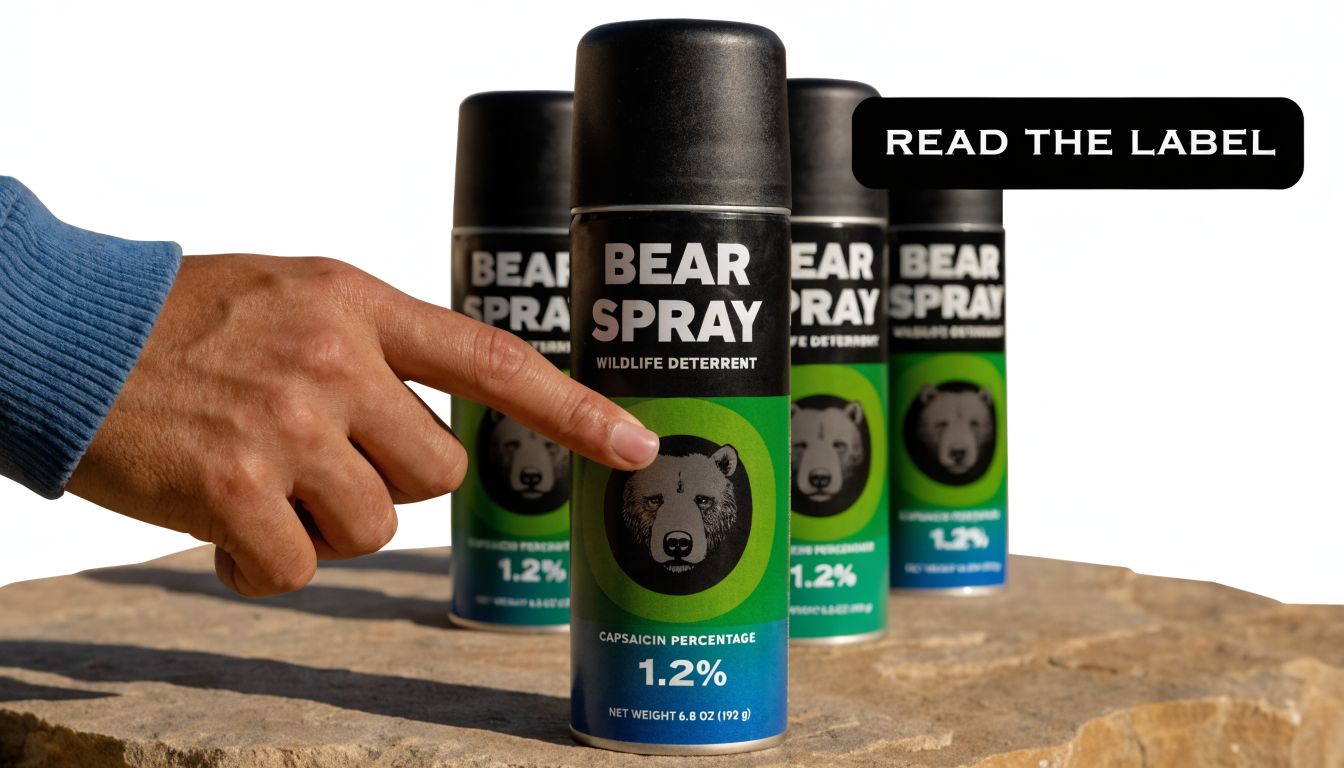
Technical specifications for your spray matter. Look for a canister with a 1% to 2% capsaicin concentration and a minimum 10-second discharge duration. The spray should be able to reach at least 30 to 40 feet. Check your expiration date before every trip; the pressurized gas can leak over time, rendering the spray useless in a moment of need.
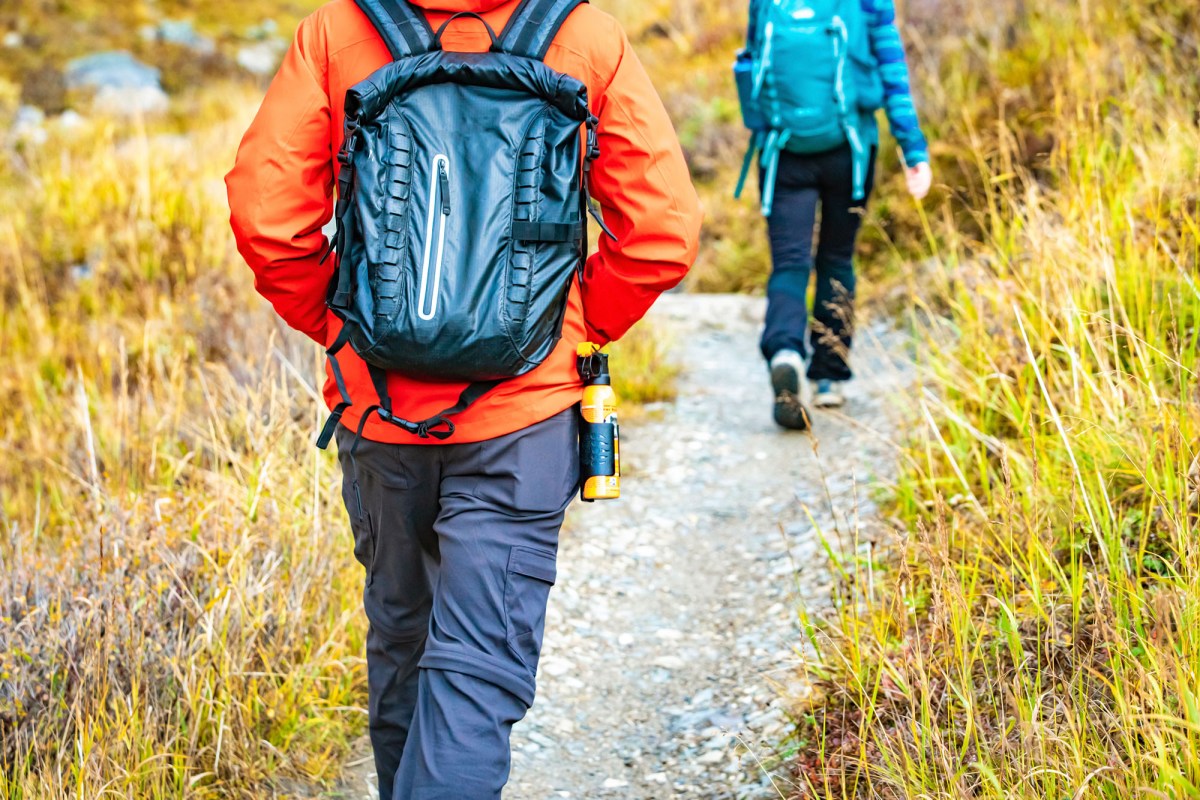
The best places to carry bear spray for immediate access are on a chest holster or a hip holster. If a bear exhibits defensive charging behavior, you will not have time to unzip a backpack. You must be able to draw, remove the safety clip, and fire in less than two seconds. Practice this motion at home with an inert training canister so that the muscle memory is ingrained.
Encounter Decision Matrix: Bluff vs. Predatory
Understanding the psychology of an encounter is vital for human-wildlife conflict mitigation. Not every bear that moves toward you is trying to attack. Most charges are bluff charges—an attempt by the bear to scare you away from its cubs or food. A bear in a bluff charge will have its ears up, may huff or "woof," and will often veer off at the last second. In contrast, a predatory bear will be silent, have its ears pinned back, and maintain a fixed, intense gaze.
If you are reacting to bear sightings at a safe distance, the goal is to remain calm and move away slowly without running. Running triggers the bear’s predatory chase instinct. Stand your ground and identify yourself as human by speaking in a low, calm voice. Avoid direct eye contact, which bears perceive as a challenge.
| Scenario | Bear's Behavior | Your Proper Response |
|---|---|---|
| Distant Sighting | Bear is unaware or ignoring you | Move away slowly; do not approach or take photos. |
| Bluff Charge | Bear huffs, snaps jaws, ears are up | Stand your ground; speak calmly; prepare bear spray. |
| Grizzly Attack | Physical contact is made (defensive) | Play dead; lie flat on stomach; lace fingers behind neck. |
| Black Bear Attack | Physical contact is made (predatory) | Do NOT play dead; fight back with everything available. |
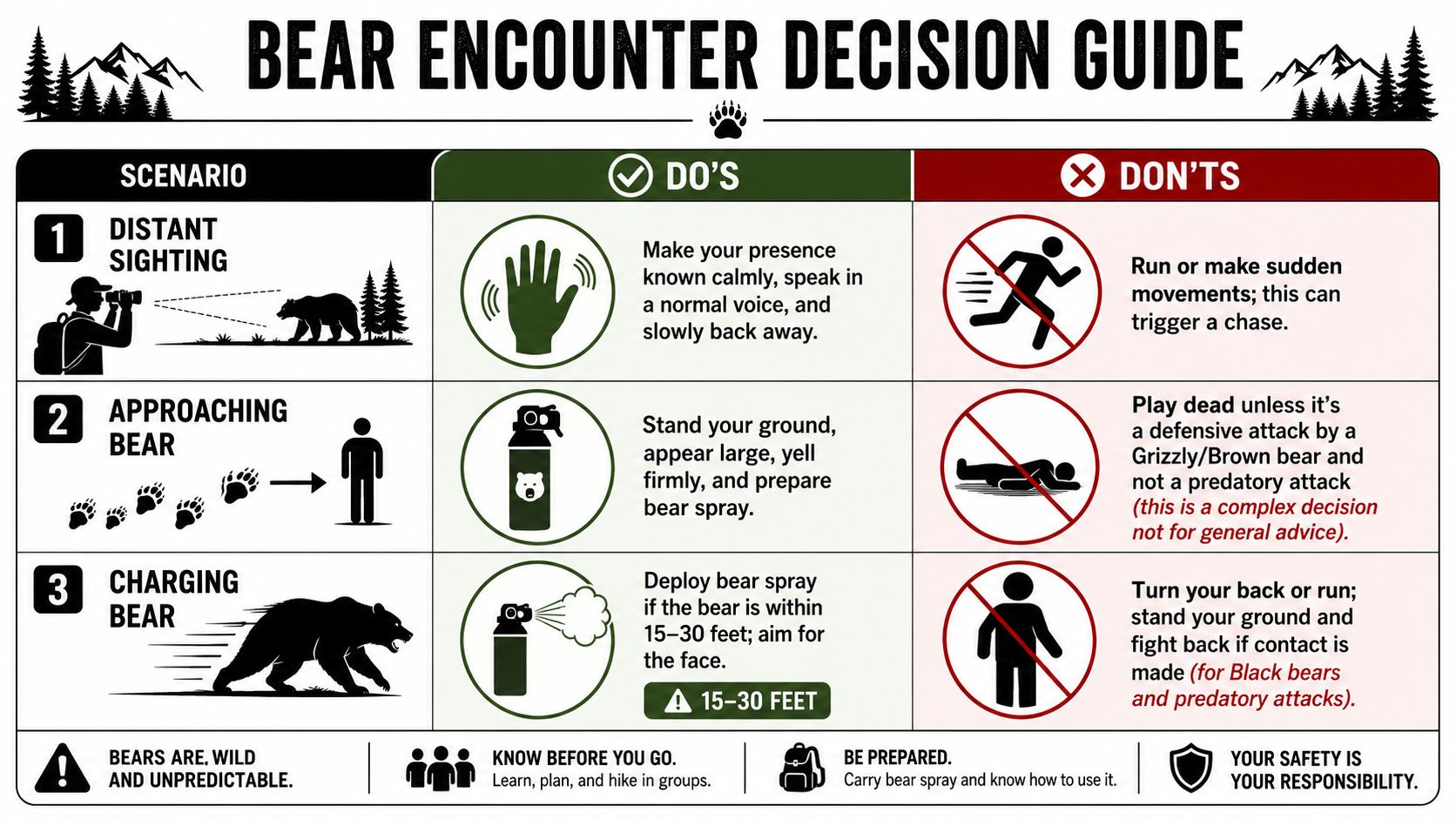
If a bear actually charges, aim your spray slightly downward in front of the bear to create a deterrent cloud. You want the bear to run into the mist. If the bear is a Grizzly and makes contact, play dead. If it is a Black Bear, fight back with rocks, sticks, or your hands, as black bear attacks are almost always predatory rather than defensive. Remember that the probability of being injured by a bear in a National Park is approximately 1 in 2.1 million, so while preparation is necessary, fear shouldn't keep you off the trail.
FAQ
What should you do if you encounter a bear while hiking?
The first step is to stop and remain calm. Do not run. Speak in a low, calm voice to identify yourself as a human and move away slowly and diagonally. If the bear follows you, stand your ground and prepare your bear spray. Avoid the urge to drop your pack, as it can provide protection for your back in the event of an attack.
Is it better to play dead or fight back during a bear attack?
This depends entirely on the species. If a Grizzly bear makes contact during a defensive encounter, you should play dead by lying flat on your stomach and protecting your neck. However, if a Black Bear attacks, or if any bear stalks you over a long distance, you must fight back. Black bear attacks are rarely defensive, and playing dead will not help.
How do you use bear spray effectively?
Remove the safety clip and hold the canister with both hands. Aim slightly downward and about 30 feet in front of the charging bear. Press the trigger to release a 2-3 second burst, creating a fog that the bear must pass through. If the bear continues to charge, continue spraying until it stops or you run out.
What are the best ways to store food in bear country?
The most reliable method is using an IGBC-certified bear-resistant canister kept 100 yards away from your sleeping area. Always store all scented items, including "smellables" like trash and toiletries, inside the container. If you are in a front-country campground, use the provided metal bear lockers rather than keeping food inside your vehicle.
What is the difference between black bear and grizzly bear safety?
While prevention (noise and group travel) is the same for both, the reaction to an attack differs. Grizzlies are more likely to perform a defensive bluff charge to protect cubs or food, which is why playing dead is effective. Black bears are more timid but more likely to be predatory if they do decide to attack, requiring you to be aggressive and fight back.
Bear country is a spectacular place to explore, provided you respect the rules of the land. By adhering to National Park Service guidelines and maintaining a high level of situational awareness, you ensure that both you and the bears stay safe. Before your next trip, audit your gear, check those expiration dates on your spray, and practice your campsite layout. Your safety is a result of the steps you take before you ever reach the trailhead.