Quick Facts
- Current Legal Status: As of July 2026, the act of crossing from one public land parcel to another at a shared corner is considered illegal trespassing by Montana state authorities.
- FWP Enforcement: An internal Montana Fish, Wildlife and Parks memorandum issued in January 2026 directs game wardens to issue citations to any individuals caught corner crossing.
- Landlocked Acreage: Montana contains approximately 871,000 acres of "corner-locked" public land that cannot be legally reached without crossing private property corners.
- Pending Litigation: In May 2026, the Backcountry Hunters & Anglers and the Public Land and Water Access Association filed a lawsuit to challenge the state's current trespass interpretation.
- Regulatory Precedent: While the 10th Circuit Court legalized corner crossing in Wyoming, Montana remains under the jurisdiction of the 9th Circuit, which has not yet issued a similar ruling.
- Airspace Rules: Montana state officials currently cite the ownership of airspace above private land corners as a primary legal basis for criminal trespass charges.
As of July 2026, Montana corner crossing remains a critical issue for public land hunters and outdoor enthusiasts throughout the state. While neighboring states have seen legal victories in recent years, Montana officials currently maintain a strict enforcement policy that classifies the practice of moving between public parcels at a common corner as a form of criminal trespass.
The 2026 Montana FWP Citation Policy
The legal landscape for Montana land access shifted dramatically on January 21, 2026, when an internal memorandum was circulated within the Montana Fish, Wildlife and Parks department. This document, which was heavily influenced by interpretations from the office of the Lieutenant Governor, officially clarified the state's stance on corner crossing. The Montana FWP corner crossing memo explicitly instructs all game wardens and field staff to treat the act of crossing from one public parcel to another at a shared corner as a violation of state law.
Under this current directive, game warden enforcement has become much more aggressive. State officials are utilizing MCA § 45-6-203, which defines criminal trespass to property, and MCA § 87-6-415, which prohibits hunting on private property without permission, to cite recreationists. The state’s argument rests on the idea that the survey corner is an infinitesimal point where four parcels of land meet, and the airspace above that point belongs to the private landowners. If a person's body or equipment crosses through that airspace, even if they never touch the ground of the private parcel, the state considers it a breach of private property rights.
This shift in enforcement has created significant tension between the hunting community and state administrative bodies. Many sportsmen's groups argue that this represents an administrative overreach by the executive branch. They contend that by essentially creating a new interpretation of trespass law through a memo rather than through the legislative process, the state is bypassing the public's right to debate and decide on land access issues.

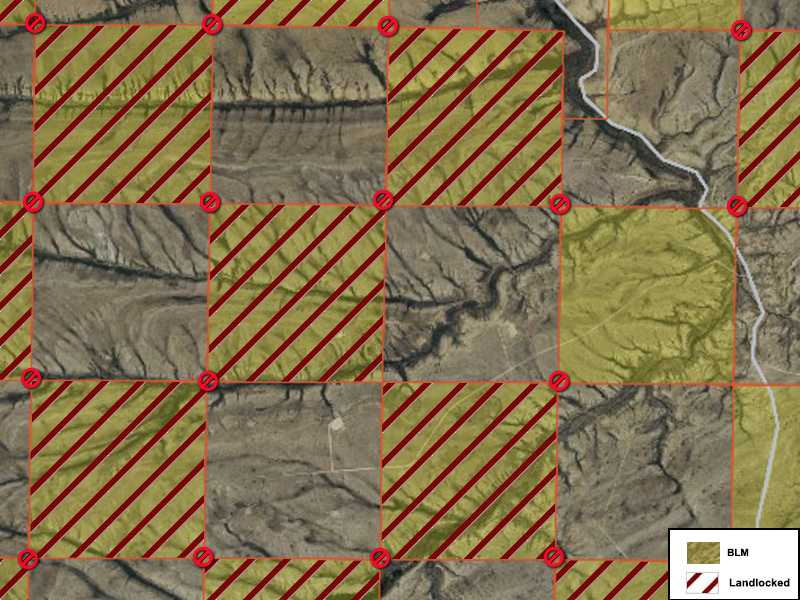
Checkerboard History: Why 871,000 Acres Are Corner-Locked
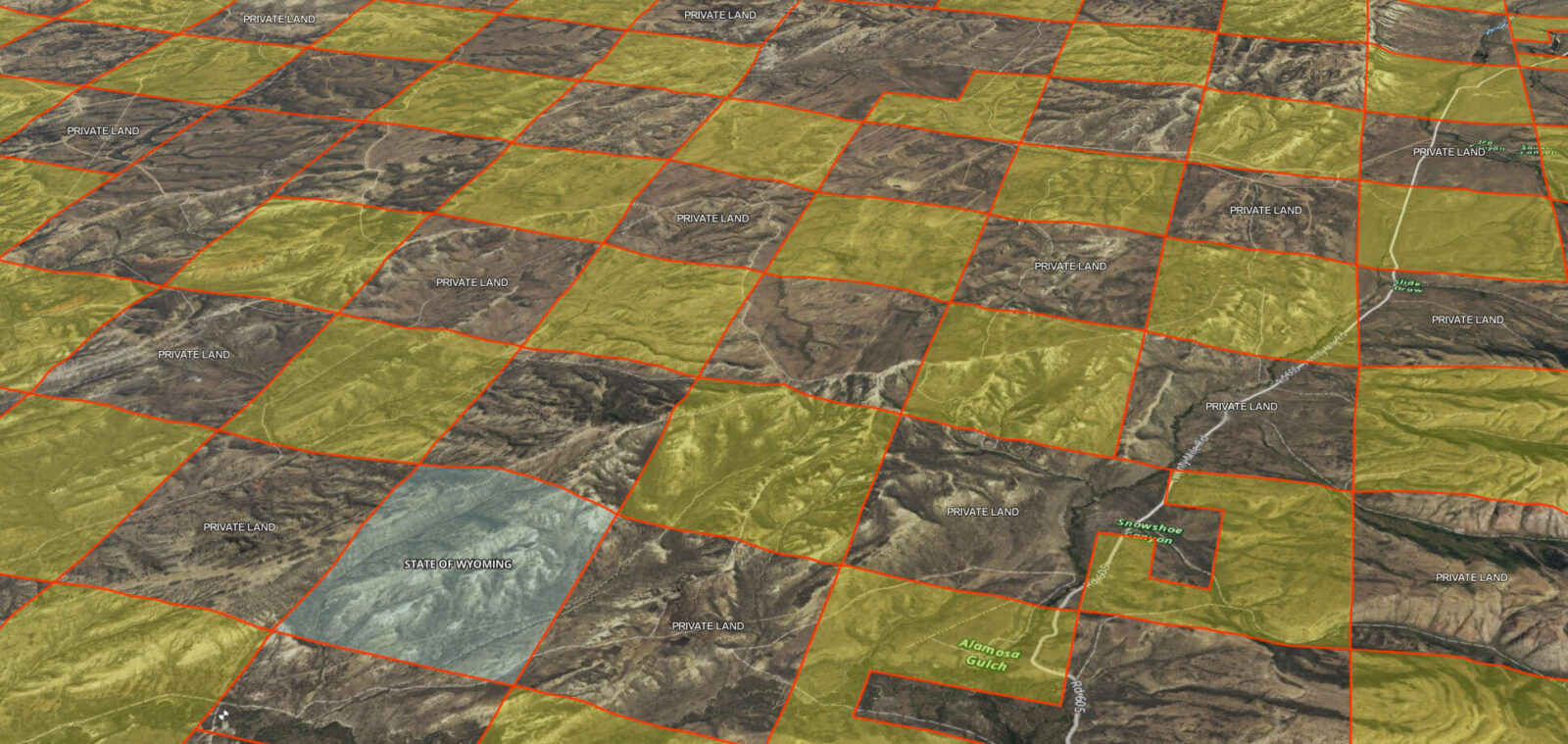
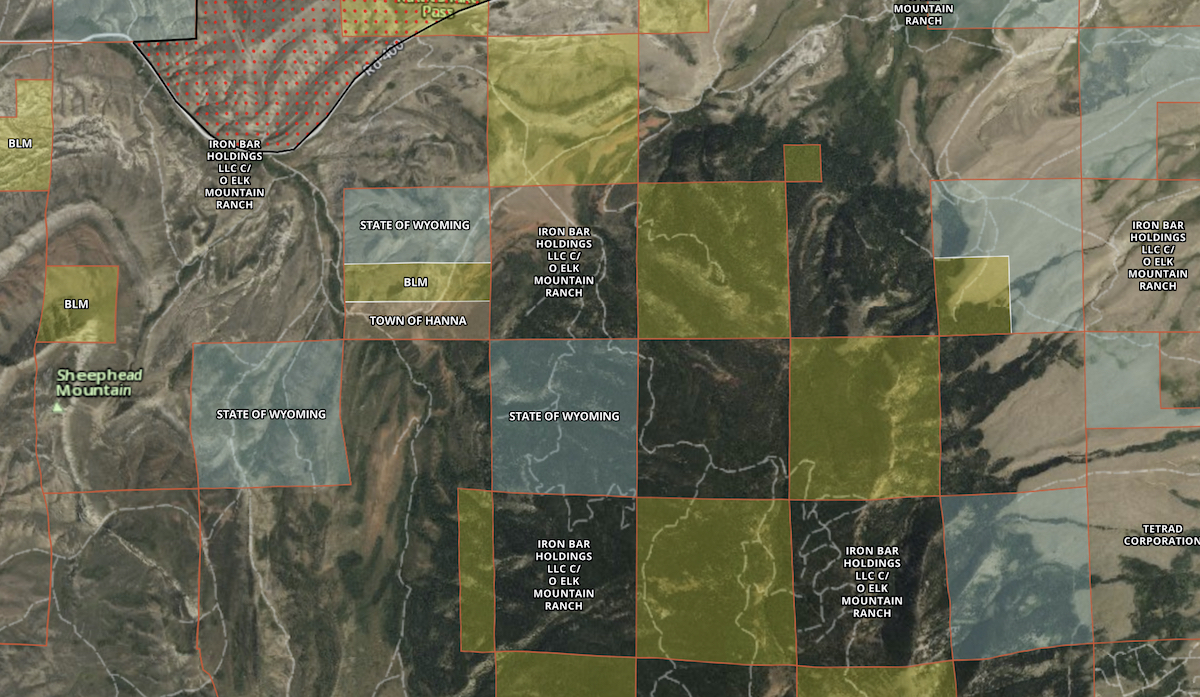
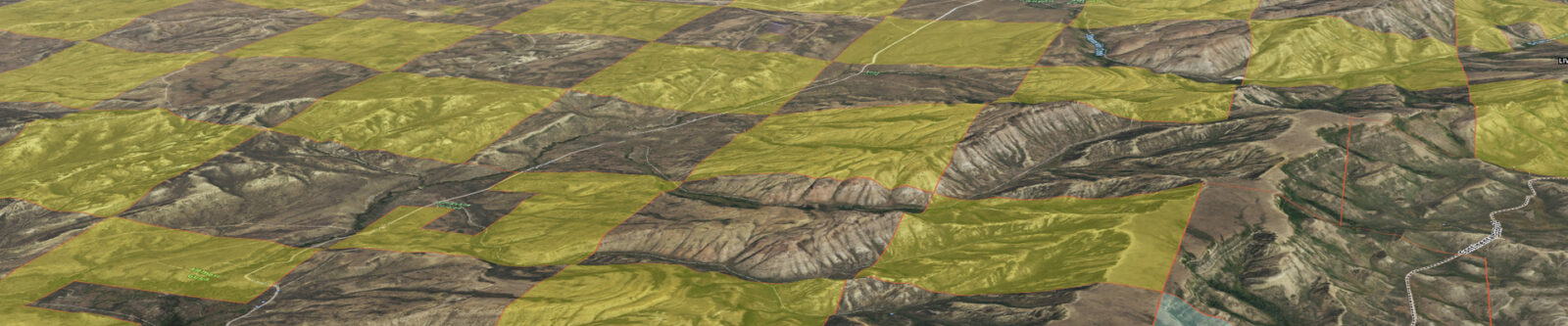
To understand why checkerboard land trespass Montana is such a pervasive issue, we have to look back to the mid-19th century. The Pacific Railway Act of 1862 granted railroad companies alternating sections of land along their transit routes as an incentive to build the transcontinental railroad. This created a checkerboard ownership patterns across millions of acres in the American West, where one square mile of public land is surrounded by square miles of private land, touching only at the corners.
The practical result of this 150-year-old policy is staggering. Today, Montana contains approximately 871,000 acres of "corner-locked" public land that is physically impossible to reach without crossing a corner or flying in. These landlocked areas represent some of the prime wildlife habitats in the state, yet they are effectively reserved for the private individuals or corporations who own the adjacent land.
This lack of access has profound economic and social implications. Montana's outdoor recreation economy is a powerhouse, contributing roughly $7.1 billion annually to the state. When nearly a million acres are removed from the public trust, it limits opportunities for residents and tourists alike. Organizations representing the public trust doctrine argue that these lands belong to all citizens and that the physical inability to access them due to a tiny point in space is a failure of modern property law to adapt to public needs.
Legal Battle: BHA vs. Montana FWP Lawsuit Updates
The tension between the state's enforcement policy and public desire for land access finally boiled over in mid-2026. On May 14, 2026, the Backcountry Hunters & Anglers and the Public Land and Water Access Association filed a lawsuit in Lewis and Clark County District Court. This BHA corner crossing lawsuit Montana is the most significant challenge to the state's access laws in decades.
The lawsuit seeks to accomplish two primary goals. First, it asks the court to declare that the Montana FWP corner crossing memo is an unconstitutional extension of state authority. The plaintiffs argue that the Montana Administrative Procedure Act (MAPA) was violated because the state implemented a significant policy change without a public comment period or formal rule-making process. Second, the lawsuit seeks a definitive ruling that corner crossing is not trespassing under Montana law, following the logic used in recent Wyoming court cases.
Legal experts believe the outcome of this case will set property law precedents for the entire region. If the court finds in favor of the hunters, it could immediately unlock hundreds of thousands of acres for the fall 2026 hunting season. However, if the state prevails, it will likely solidify the current enforcement regime for years to come, further entrenching the power of private landowners over the "corners" of the map.
Airspace and Jurisdiction: 9th vs. 10th Circuit
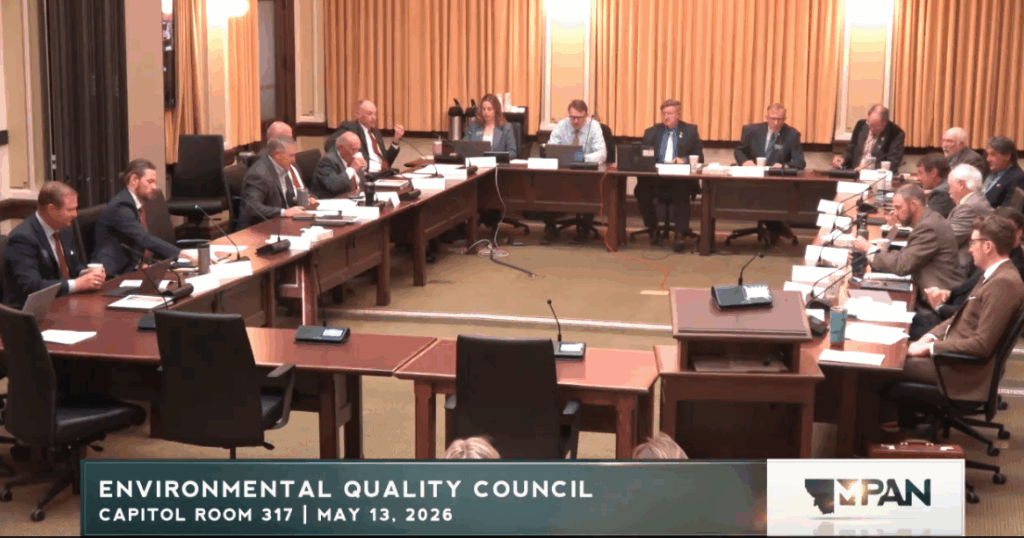
One of the most confusing aspects of this debate is why it is legal to corner cross in Wyoming but not necessarily in Montana. This discrepancy essentially comes down to federal court geography. Wyoming sits in the 10th Circuit, where a landmark case involving hunters in Carbon County resulted in a ruling that corner crossing does not constitute trespass if the person does not touch the private surface. Montana, however, is under 9th Circuit jurisdiction, which hasn't had a similar clarifying case.
| Legal Factor | 10th Circuit (Wyoming) | 9th Circuit (Montana) |
|---|---|---|
| Current Status | De Facto Legal (Precedent Set) | De Facto Illegal (FWP Policy) |
| Airspace View | Minimal intrusion not actionable | Airspace is private property |
| Statutory Basis | Unlawful Inclosures Act focus | State Trespass MCA focus |
| 2026 Outlook | Case law protects hunters | Active litigation pending |
Adding to the complexity is the "Heaven to Hell" doctrine, a traditional English common law concept stating that land ownership extends from the center of the earth to the sky. Montana has leaned heavily into this doctrine, recently bolstered by the 2025 Montana drone law (SB 493). This law established a 200-foot buffer of private airspace above private property, primarily to regulate drone flight. State lawyers are now using that same 200-foot buffer as a legal precedent to argue that a hunter's body moving through that same space constitutes airspace encroachment.
While groups like the Public Land and Water Access Association argue that the Unlawful Inclosures Act of 1885 should prevent private landowners from using their corners to "fence out" the public, Montana courts have traditionally been more protective of private property rights. The May 2026 lawsuit is the first direct attempt to force the state to reconcile the 1885 federal law with modern state trespass statutes.
Navigating the Checkerboard: What Hunters Should Do Now
For the 2026 season, the advice from legal analysts and hunting organizations is simple: proceed with extreme caution. Until a court order is issued that specifically blocks the January memo, game wardens will continue to treat corner crossing as a crime. If you are caught for corner crossing in montana trespass laws, you risk not only a heavy fine but also the potential loss of your hunting privileges for several years.
Finding landlocked public parcels in montana legally is currently impossible unless you have permission from one of the adjacent private landowners to cross their property. Many hunters are now using advanced mapping apps to identify "corner-locked" sections and are reaching out to landowners early to negotiate access. While some owners are willing to grant permission, many view the checkerboard as a way to maintain exclusive hunting rights on high-quality public land.
The 2027 legislative session will likely be the next big battleground regardless of the court’s decision. If the lawsuit fails, advocacy groups will likely push for a legislative fix to define corner crossing as a non-trespass act. Conversely, if the lawsuit succeeds, landowner advocacy groups may petition the legislature to toughen trespass laws and clarify airspace ownership even further.
FAQ
Is corner crossing legal in Montana?
As of mid-2026, Montana corner crossing is considered illegal trespassing by state officials and the Fish, Wildlife and Parks department. A specific enforcement memo is currently active, directing wardens to issue citations to anyone crossing from one public section to another at a shared corner.
What are the laws regarding corner crossing in Montana?
Montana uses criminal trespass statutes (MCA § 45-6-203) and hunting without permission laws (MCA § 87-6-415) to prosecute corner crossing. These laws are interpreted through the lens of private property rights extending to the airspace above the survey point.
Can you be charged with trespassing for corner crossing?
Yes, in 2026, you can be charged with criminal trespass. Montana game wardens have been explicitly instructed to issue citations for this specific act, even if the individual does not step on the private ground of the adjacent parcel.
Have there been any recent court cases about corner crossing in Montana?
In May 2026, Backcountry Hunters & Anglers and the Public Land and Water Access Association filed a major lawsuit in Lewis and Clark County District Court to challenge the state's trespass interpretation. This case is currently pending and aims to provide legal clarity on the issue.
Is there a legal way to corner cross in Montana without trespassing?
Currently, the only legal way to access a corner-locked public parcel is to obtain written or verbal permission from one of the private landowners who shares that corner. Without permission, any attempt to cross the corner point is viewed as an illegal act by state authorities.
The story of Montana corner crossing is far from over. As we wait for the judicial system to weigh in on the BHA vs. Montana FWP lawsuit updates, the fate of nearly a million acres of public land hangs in the balance. For now, the best way for outdoor enthusiasts to effect change is to support organizations dedicated to transparent access and remain involved in the upcoming legislative cycles. Understanding how to hunt montana checkerboard public land sections requires a deep knowledge of the current legal risks and a commitment to staying informed as the 2026 legal landscape continues to evolve.